We reviewed online casinos for Canadian players based on payout speed,
bonus value, payment methods, platform usability, and overall trust.
The sites below stood out for stronger offers, smoother withdrawals,
and a better real-money experience.
Play responsibly. Bonus terms apply. Age restrictions depend on your province.




























The history of slot machines runs from a Brooklyn poker machine and Charles Fey’s Liberty Bell to video slots, random number generators and online games. Our Canada online casino reviews cover today’s sites, and this page starts with the machines that came first.
Canadian players must be 19 or over for real-money slots in most provinces, and 18 or over in Alberta, Manitoba and Quebec. Below is Today I Found Out’s English video on who invented the slot machine.
Who built the first slot machine?
Sittman and Pitt of Brooklyn, New York, built the best-known forerunner of today’s slots. Sources differ on its date in the history of slot machines. Wikipedia says eighteen ninety-three. Delasport, CharlesFey.com and HotSlots.ca say eighteen ninety-one. Rau Antiques says late in the nineteenth century.
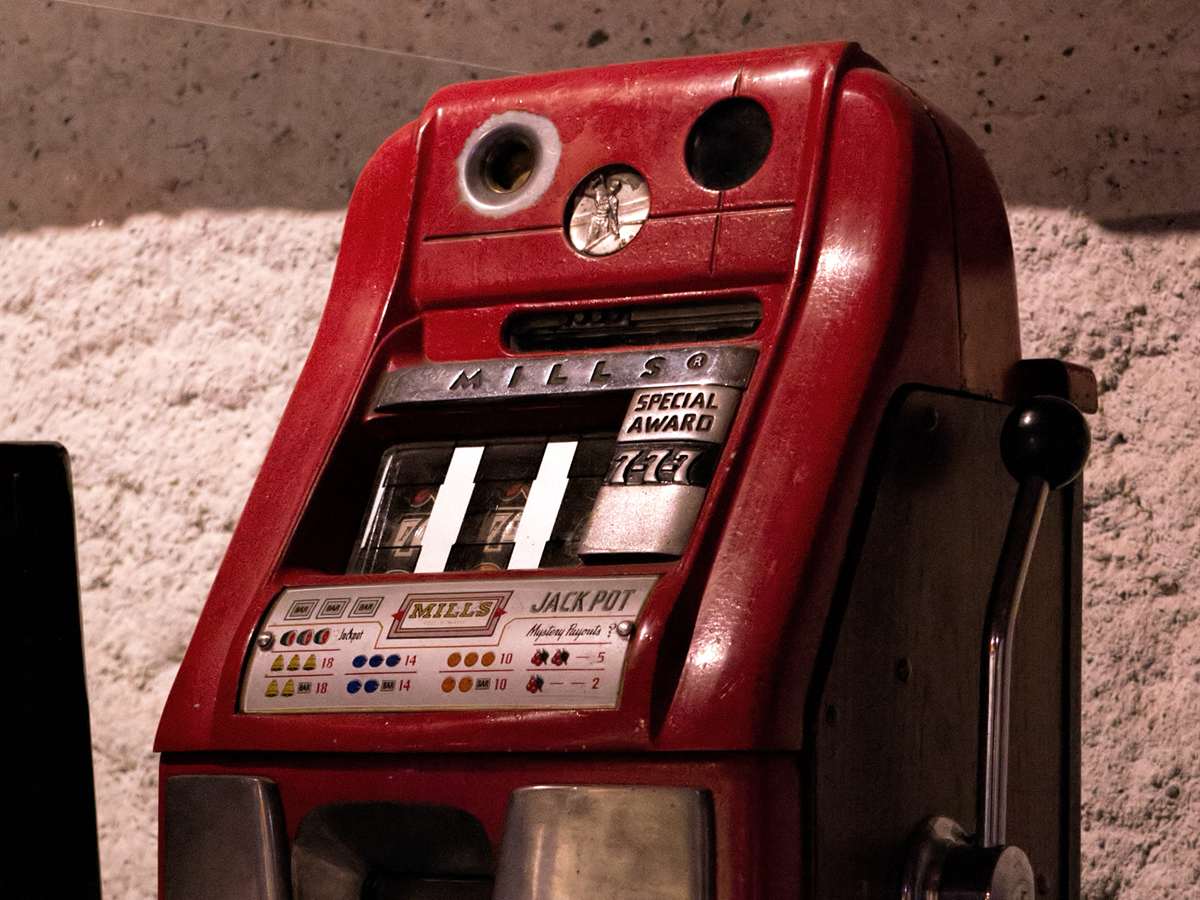
The poker machine’s five drums held 50 card faces in all. A nickel and a lever pull spun the drums. A pair of kings won a prize like a free beer, and a royal flush won cigars or drinks.
Because it had no direct payout, CharlesFey.com does not count it as the first machine in the history of slot machines. Wikipedia names Gustav Friedrich Wilhelm Schultze’s eighteen ninety-three “Horseshoe Slot Machine” as the first with an automatic payout.
When did Charles Fey invent the Liberty Bell?
Charles Fey invented the Liberty Bell in eighteen ninety-four, say CharlesFey.com and Prairie State Gaming. Other sources differ on this step in the history of slot machines. Wikipedia places it between eighteen eighty-seven and eighteen ninety-five, and Rau Antiques says about eighteen ninety.
Delasport and one casino blog place it later in the history of slot machines, in eighteen ninety-nine. Visit Black Hawk says the machine came out in nineteen oh-eight.
Wikipedia says Fey was born in the Kingdom of Bavaria in eighteen sixty-two. In eighteen ninety-five, he made his own version of the Horseshoe machine. It paid out coins and became hugely popular.
How did the Liberty Bell pay out?
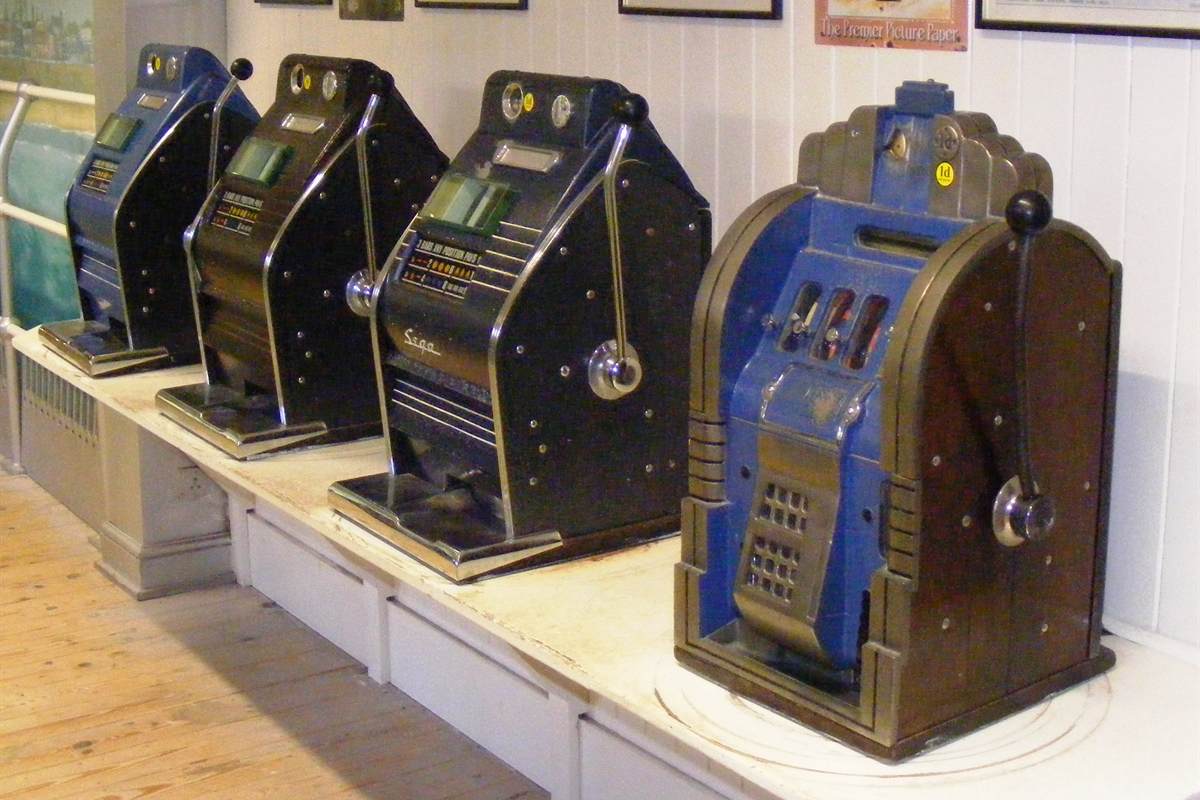
The Liberty Bell paid winners by itself, a key moment in the history of slot machines. Fey used three spinning reels, a simpler design that made a working payout possible. Three bells in a row paid the top prize, ten nickels or fifty cents.
Wikipedia lists five symbols on the reels: horseshoes, diamonds, spades, hearts and a Liberty Bell. HotSlots.ca adds a star, and Rau Antiques lists hearts, diamonds, spades and a cracked bell.
Rau Antiques says Fey rented his machines to saloons and split the profits 50/50. Our classic slots page calls the Liberty Bell the usual starting point for the classic slot story, a fitting place to begin the history of slot machines.
Why did early slot machines pay out in gum and cigars?
Early slot machines paid in gum and cigars because the law turned against cash prizes. Prairie State Gaming says machines handed out chewing gum and candy to get around those laws. It is a key moment in the history of slot machines.
San Francisco banned slot machines in nineteen oh-nine, according to one casino blog and HotSlots.ca. Sources differ on Nevada. HotSlots.ca puts its ban later that year, while Prairie State Gaming says nineteen ten.
Early in the history of slot machines, one casino blog says, Fey and his rivals built machines with no coin slots. Buying and payouts happened in drinks and cigars, quietly across the saloon counter.
Where do the fruit and BAR symbols come from?
The fruit and BAR symbols both trace back to chewing gum. Wikipedia says the Operator’s Bell offered an optional gum-vending attachment with fruit-flavoured gum. So lemons, cherries, oranges and plums went on the reels, a colourful step in the history of slot machines.
Sources differ on the BAR. Wikipedia traces it to a picture of a stick of Bell-Fruit Gum. Delasport points to an early Bell-Fruit Gum Company logo. CharlesFey.com says it stood for a pack of chewing gum.
Before fruit, card symbols and suits filled the reels, says Prairie State Gaming. Fruit came in nineteen oh-seven, a turning point in the history of slot machines. Delasport says cherry and melon symbols from those early machines survive today.
How did Mills and rival makers spread the bell machine?
Mills spread the bell machine by copying it. Wikipedia says Herbert Mills made the first copy of Fey’s machine, also called the Liberty Bell, in nineteen oh-seven. That copy opened a new chapter in the history of slot machines.
By nineteen oh-eight, bell machines stood in cigar stores, barber shops and brothels, says Wikipedia. It also names Caille, Watling, Jennings and Pace among other slot makers.
The Mills Novelty business traces back to Mortimer Birdsul Mills, born in eighteen forty-five in Canada West, today’s Ontario. That gives Canada a quiet link to the history of slot machines.
How did slot machines reach Las Vegas?
Slot machines reached Las Vegas thanks to Nevada law, a key step in the history of slot machines. Prairie State Gaming says Nevada made commercial gambling legal for good in nineteen thirty-one. Other states slowly followed.
Wikipedia says Bugsy Siegel added slots to his Flamingo Hotel in Las Vegas in the late nineteen forties. They were there to entertain the wives and girlfriends of high rollers. Soon slot money matched table game money.
A January nineteen fifty-one bill banned slots from federal property and banned shipping them between states, says Wikipedia. Slots were then allowed only in Nevada, Montana and four Maryland counties, a sharp turn in the history of slot machines.
What made Bally’s Money Honey a turning point?
Bally’s Money Honey was the first fully electromechanical slot machine, a turning point in the history of slot machines. Wikipedia says its electromechanical workings made it the first slot with a bottomless hopper, paying up to 500 coins automatically without an attendant.
Sources differ on its date. Wikipedia, Prairie State Gaming and HotSlots.ca say nineteen sixty-three, and HotSlots.ca names November. Wikipedia’s Bally page, Delasport and CharlesFey.com say nineteen sixty-four. Visit Black Hawk says the early nineteen sixties.
Visit Black Hawk says the Bally machine basically ended the golden era of the classic slot. By nineteen sixty-eight, 94 percent of machines sold in Nevada were Bally slots, HotSlots.ca says, a striking figure in the history of slot machines.
When did the one-armed bandit lose its lever?
Around nineteen sixty-seven, CharlesFey.com says buttons replaced machine levers, a big shift in the history of slot machines. Wikipedia says Money Honey’s popularity led to electronic games taking over, and the side lever soon became a mere leftover.
In the early nineteen seventies, Wikipedia says Zacharias Anthony added “skill stop” buttons to certain slot machines. They let players stop each reel, meeting New Jersey laws that required player control.
Today most slot machines run on buttons and touchscreens, Wikipedia says. Certain modern machines still carry a lever as a design feature that copies the old look, a nod to the history of slot machines.
When did the first video slot appear?
The first video slot machine was developed in nineteen seventy-six, a key moment in the history of slot machines. Wikipedia says the Las Vegas firm Fortune Coin Co. built it in Kearny Mesa, California, using a modified 19-inch Sony Trinitron colour receiver.
Wikipedia says the first units were tested at the Las Vegas Hilton Hotel. After changes to stop cheating attempts, the Nevada State Gaming Commission approved the machine. CharlesFey.com says approval came the next year.
IGT bought Fortune Coin Co. and its video slot technology in nineteen seventy-eight, according to Wikipedia. The deal brought video play to the maker of IGT slots, a turning point in the history of slot machines.
How did random number generators change slot machines?
Random number generators let a microchip pick where the reels stop, a big shift in the history of slot machines. HotSlots.ca says companies started using microchips and random number generators to decide reel spins in the nineteen seventies.
HotSlots.ca says IGT released the M Slot, its first solid-state spinning-reel machine, in nineteen eighty-three. As jackpots grew, cheats learned to make reels stop on a jackpot. IGT replied with the S Slot, run by a microprocessor using a random number generator.
In nineteen eighty-four, Norwegian mathematician Inge Telnaes received a patent for picking reel stop positions with a random number generator, says Wikipedia. IGT later bought the patent, a milestone in the history of slot machines. It has since expired.
How did progressive slot jackpots begin?
Progressive jackpots began with IGT’s Megabucks in nineteen eighty-six, a landmark date in the history of slot machines. Prairie State Gaming calls it the first progressive jackpot and says a flurry of progressives soon followed.
HotSlots.ca says the microprocessor made built-in meters possible, which allowed growing “Giant Jackpots”. Wikipedia calls Nevada Megabucks the first wide-area progressive system, with a $1 million base jackpot. CharlesFey.com says a hit reset the pool to that seed automatically.
Megabucks remains a top game in US and Canadian casinos, according to CharlesFey.com. That keeps an early chapter in the history of slot machines alive for players of jackpot slots.
When did the first online casino host slot games?
The first online slots appeared in nineteen ninety-four, say Prairie State Gaming and CharlesFey.com. Delasport dates online casinos to the nineteen nineties. It calls a first online casino in nineteen ninety-four speculation, an open question in the history of slot machines.
Delasport says Cryptologic and Microgaming formed the first major online casino together. Microgaming’s Cash Splash was the first online slot. Our Microgaming slots page credits the firm with the first online casino software, licensed to operators worldwide.
Delasport says online slots were easy to develop because random number generators already existed. Authorities were uneasy about this chapter in the history of slot machines. They feared online casinos fuelling black-market activity such as money laundering.
How did mobile phones change slot play?
Mobile slots began in two thousand five with Pub Fruity, the first Java casino game, says Delasport. It looked like a classic pub fruit machine and paid only virtual rewards, a small start in the history of slot machines.
The first iPhone arrived in two thousand seven and the App Store in two thousand eight, Delasport says. Casino websites then offered downloadable games built for phones. For the first time, players deposited into mobile slots.
CharlesFey.com says online casinos were more than a decade old when mobile gaming marked a turning point. Within a short span, game providers built hundreds of mobile slots, a growth spurt in the history of slot machines.
Which modern mechanics reshaped slot games?
Second-screen bonus rounds and the Megaways engine reshaped the history of slot machines. Delasport says Big Time Gaming released Megaways in twenty sixteen. This random reel modifier changes the number of symbols on each reel every spin.
Our pages differ on the first Megaways game in the history of slot machines. Our Megaways slots page says Bonanza launched the mechanic. Our Bonanza Megaways page puts Dragon Born first, with Bonanza a year later.
Wikipedia traces second-screen bonus machines in Australia to at least nineteen ninety-four with Three Bags Full. In nineteen ninety-six, Reel ‘Em In by WMS Industries became the first American video slot with a second-screen bonus round.
How did slot machines arrive in Canada?
Slot machines arrived in Canada through the Criminal Code, which leaves them to the provinces and territories. The Code’s term “lottery scheme” covers, in essence, slot machines, bingo and casino table games. That rule frames the Canadian history of slot machines.
Canada’s Criminal Code first became law in eighteen ninety-two. Our history of gambling in Canada page says a mid nineteen-eighties change to that Code gave provinces the right to run mechanical gaming devices.
In the history of slot machines here, nineteen ninety stands out. That year the Atlantic Lottery rolled out the first regulated video lottery terminals in Canada, starting in New Brunswick. The other Atlantic provinces joined in nineteen ninety-one.
How did Canada’s provinces bring slots online?
The provinces brought slots online by opening their own legal online casinos. Canada’s first one came from the British Columbia Lottery Corporation in twenty ten, a new turn in the history of slot machines.
Across the twenty tens, provincial lottery and gaming boards went online to pull players away from unregulated sites. OLG’s online casino arrived in twenty fifteen, with Alberta next in twenty twenty.
The Kahnawake First Nation in Quebec adds its own line to the history of slot machines. Its gaming commission has run since nineteen ninety-six, and by twenty ten it had licensed and hosted nearly 350 gambling websites.
Why are slots called one-armed bandits, fruit machines and pokies?
Slots are called one-armed bandits for the big levers on early machines and their knack for emptying pockets like thieves. Fruit machine, another name in the history of slot machines, comes from pictures of fruit like lemons and cherries.
British English says fruit machine, and Scots says puggie. Australians and New Zealanders say poker machine or pokie, though the official name there is “gaming machines”. UK Category C games go by AWP, short for amusement with prize.
Japanese slot machines go by pachislot, a name joining “pachinko” and “slot machine”. As for the main name in the history of slot machines, it comes from the slots for putting coins in and taking them out.