
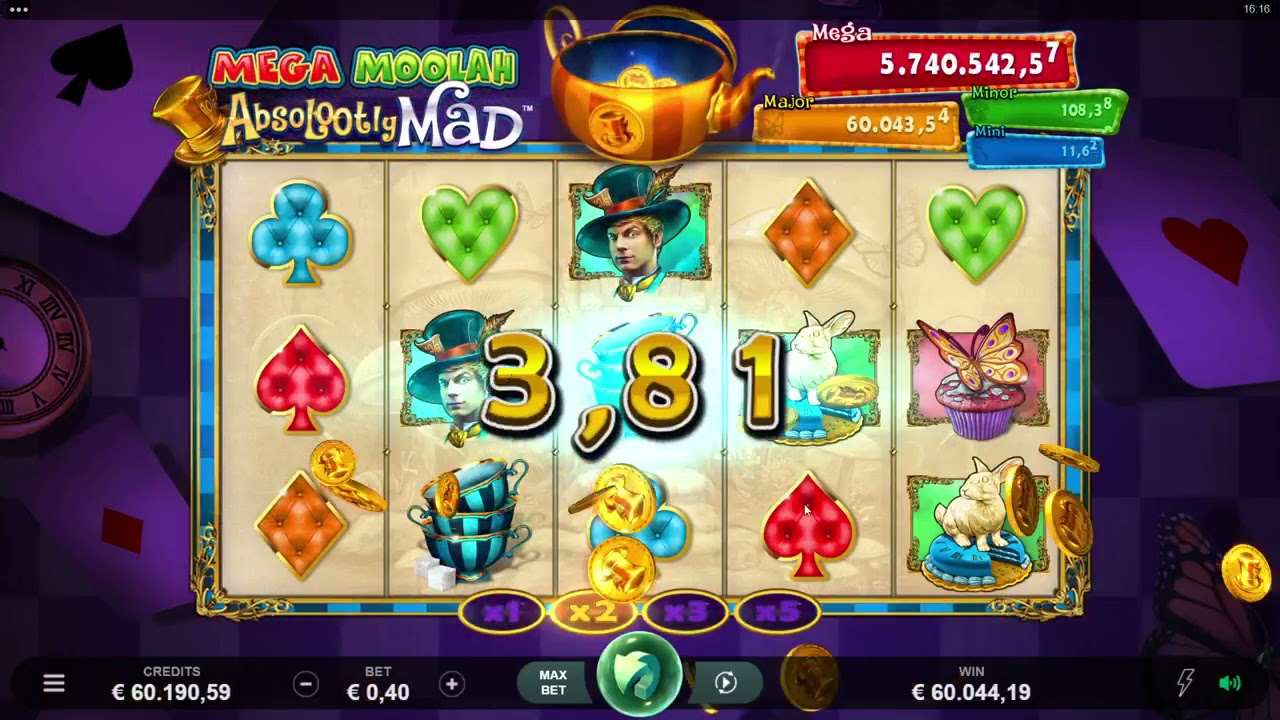
Microgaming built the first online casino software and spent decades supplying Canadian operators before rebranding its distribution business as Games Global. Its catalogue includes Mega Moolah, the progressive that paid out records to Canadian players, alongside hundreds of titles from independent studios. This page covers what the brand is now, what its slots pay and where Canadians reach them under a licence. For the wider market picture, start at our online Canada casinos hub.
The table below sets out what Microgaming supplies to Canadian players. Read it first, then work through the detail beneath.
| Aspect | Position |
|---|---|
| Origin | Isle of Man, the first online casino software supplier |
| Current name | Games Global holds the distribution business |
| Catalogue | Hundreds of titles from independent partner studios |
| Return band | Roughly 92 to 97 percent by title and build |
| Signature title | Mega Moolah, the record breaking progressive |
| Canadian routes | Crown corporation sites and Ontario registered operators |
Who is Microgaming?
Microgaming is the Isle of Man supplier that built the first online casino software and licensed it to operators worldwide. Canadian players have met its titles in lobbies for as long as online casinos have existed in this country.
It has never run a casino of its own. The operator holds the account and the studio supplies the games.
The historical position explains how deeply embedded the catalogue is in Canada.
Online casinos launched here using licensed software, and for years that software came from one supplier more often than not.
Operators built their whole lobbies on it.
Canadian players who started gambling online a decade ago learned the format on Microgaming titles without necessarily knowing the name.
That legacy is why crown corporations still stock the classics.
Procurement favours suppliers with a long compliance record and this one has the longest available.
The supplier model itself is standard across the industry.
The studio builds and certifies a game, the operator licenses and deploys it, and the provincial regulator supervises the operator.
Complaints about a balance go to the operator and then to the regulator.
The supplier never holds money and never processes a withdrawal.
Knowing that split saves a player from contacting the wrong party.
Longevity carries a practical benefit worth naming.
A supplier trading through multiple regulatory cycles maintains older titles so they keep running on current browsers and phones.
Microgaming games from a decade ago still load and play correctly at licensed Canadian operators.
Newer suppliers with short track records frequently abandon early releases when a framework changes.
Crown corporations weigh that maintenance record when curating a catalogue for a whole province.
It is also why the back half of this library stays worth browsing.
A title from years ago can publish a stronger figure than a release from last month.
Nothing about age reduces a certified return.
Three parties sit behind every spin and naming them helps.
Microgaming or its partner studio builds and certifies the game, the operator holds the money and runs the deployment, and the provincial regulator hears the complaint.
A frozen game, a missing bonus and a stalled withdrawal all belong to the operator.
A question about how a Microgaming feature works belongs in the rules screen.
The regulator enters only after the operator has failed to resolve something.
That escalation path exists on both Canadian licensed routes and nowhere offshore.
The short version fits in a line.
Microgaming supplies the game, the operator supplies the account and the province supplies the recourse.
Keeping those three separate saves a wasted week of emails.
The compliance record is the asset procurement teams weigh.
Crown corporations buying software for a whole province favour suppliers that have passed audits in multiple jurisdictions for years.
Microgaming has the longest such record in the industry.
That is why its classics sit on provincial sites that stock very little else from that era.
Is Microgaming now Games Global?
The Microgaming distribution business was sold and rebranded as Games Global. That company now holds the aggregation platform and the commercial relationships, while the original brand name continues to appear on lobby tiles and in operator game lists.
Canadian players see both names used interchangeably. The catalogue behind them is the same.
The split is worth understanding because it confuses game lists.
The original company divested its distribution and aggregation business, which now trades as Games Global.
That entity holds the platform, the partner studio agreements and the commercial relationships with operators.
Lobby tiles and provider filters in Canadian casinos still show the older name in most cases.
Others show the new one.
A handful show both for different titles in the same catalogue.
For a player nothing behind the tile changed.
The same certified builds run under either label.
Filtering a lobby by provider therefore occasionally requires checking two names rather than one.
Neither label tells a player anything about the deployed return figure.
The panel inside the game does that.
The rebrand creates one practical nuisance for players.
Searching a Canadian lobby for the old name occasionally returns nothing while the catalogue sits under the new one.
Searching for both settles it.
Operator game lists update at different speeds, so two Ontario sites can label the same Microgaming titles differently.
Neither label affects the deployed build or the certification behind it.
The panel inside the game is unaffected by whatever the tile says.
Players attached to particular titles should search by game name rather than by provider.
That works regardless of which brand a lobby uses.
Neither label predicts anything financial.
A tile reading Microgaming and a tile reading Games Global can sit above identical certified builds.
Provider filters in Canadian lobbies vary in which name they use and occasionally use both.
Searching by game name sidesteps the whole issue.
The panel inside whichever tile you open states the deployed return figure.
That number is what a bankroll responds to rather than the branding above it.
Both names point at the same catalogue.
A Canadian lobby labelling tiles Microgaming and one labelling them Games Global are stocking identical certified builds.
Search by game name and the labelling stops mattering.
Game lists across Canadian operators update at different speeds.
An Ontario site refreshed recently shows the new label while a crown site shows the old one.
Both stock identical certified builds behind those tiles.
Searching by title name rather than by provider avoids the whole problem.
Does Microgaming build its own slots?
Microgaming builds less than it once did. The business shifted toward aggregating titles from independent partner studios, so a slot listed under the brand was frequently built by a separate developer working exclusively through the platform.
Those studios include Just For The Win, Stormcraft, Fortune Factory and Triple Edge. The tile names the aggregator rather than the builder.
The aggregation model changed what the brand name signifies.
A title listed under it today was frequently designed and built by an independent studio working exclusively through the platform.
Those studios operate as separate businesses with their own creative direction and mathematics.
Just For The Win, Stormcraft Studios, Fortune Factory Studios, Triple Edge Studios and Gameburger Studios all supply this way.
Each has a recognisable house style.
Stormcraft built the modern Mega Moolah entries and Fortune Factory built the high volatility end of the range.
So the Microgaming label functions like a publisher credit rather than a developer credit.
Judging a title by the label alone means judging a shelf rather than a book.
The rules screen and the panel name the specific game.
Learning three or four partner studio names narrows the catalogue usefully.
Lobby tiles occasionally credit them alongside the platform.
Partner studio identity predicts more than the platform name does.
Stormcraft builds the progressive heavy end with enormous ceilings and weak base returns.
Just For The Win ships tighter mathematics with modest ceilings.
Fortune Factory occupies the high volatility middle.
Learning three or four of those names narrows a Microgaming provider filter far more usefully than the platform label alone.
Some Canadian lobbies credit the partner studio on the tile and others do not.
The rules screen usually names the developer somewhere.
Reading it once per title builds the mapping quickly.
The publisher model has one clear benefit for players.
Independent studios that would struggle to reach Canadian operators alone get distribution through the platform.
That widens the range of design thinking inside a single Microgaming provider filter considerably.
A conservative payline title and an extreme volatility release can sit side by side under one label.
Neither inherits anything from the other.
Reading each panel individually is the only method that works on an aggregated catalogue.
The label is a publisher credit rather than a developer one.
A Microgaming tile names the platform and the partner studio behind it built the mathematics.
The rules screen usually names the developer somewhere.
Partner studios operate with real independence.
They set their own release schedules, choose their own themes and design their own mathematics inside the platform agreement.
That is why two Microgaming tiles released the same month can behave nothing alike.
A shelf full of books from different authors is the closest comparison.
Reading the panel on each is the only method that works.
What is Mega Moolah?
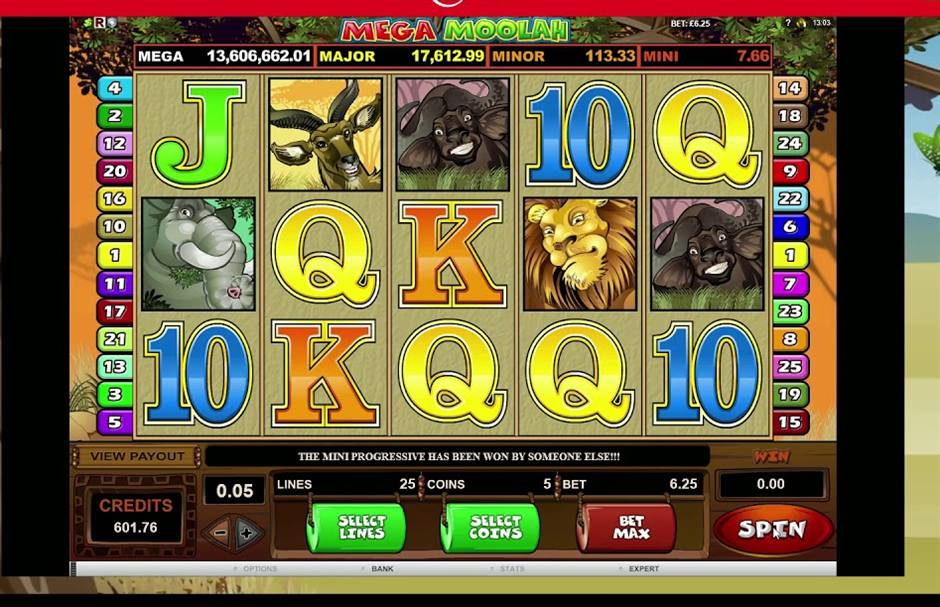
Mega Moolah is the Microgaming networked progressive jackpot that made the brand famous in Canada. A wheel triggers at random on any qualifying spin and awards one of four tiers, with the top tier having paid record sums to Canadian winners.
The base return sits well below the market average. That is what funds the pool.
The structure explains both the fame and the cost.
Four progressive tiers sit above the base game, funded by a slice diverted from every qualifying spin across every operator on the network.
A jackpot wheel triggers at random rather than through a symbol combination, so any spin can award any tier.
The top tier reaches sums no fixed ceiling title can match.
What pays for it is the base return, which sits several points below the market average.
A player spinning Mega Moolah without ever hitting a tier is playing a well below average slot.
That is the arrangement and it is disclosed in the panel.
The theoretical figure including jackpot contributions is published separately at some operators.
Only the eventual winner experiences that number.
Everybody else experiences the base.
Both figures belong in the decision.
Qualification rules deserve a specific check.
The jackpot wheel triggers at random on any qualifying spin, which means a stake below the qualifying threshold contributes to the pool without entering the draw.
That is the worst position available on any progressive.
The rules screen states the qualifying condition in one line.
Reading it before the first spin is the whole precaution on a Microgaming progressive.
Titles awarding tiers on any stake avoid the problem entirely.
Both structures exist across the network.
The difference is invisible from the lobby tile.
The tier structure is worth knowing before staking anything.
Four levels sit above the base game, and the lower three award far more often than the headline tier.
Those smaller awards are what most jackpot winners on the network actually receive.
The top tier is the one that makes the news.
A Microgaming progressive session that hits a minor tier has still paid a jackpot in the technical sense.
Expectations built on headlines rarely account for that distinction.
Four tiers, one random trigger, one very large pool.
The Microgaming network funds all of it from base returns several points below average.
The panel states that number plainly.
The pool resets after an award and begins climbing again.
A Microgaming progressive shortly after a payout carries a smaller headline figure and identical base return.
Nothing about the pool size changes the odds of triggering the wheel.
Players timing entry around a reset are managing a number rather than a probability.
Why is Mega Moolah so well known in Canada?
Because Canadians won the Microgaming jackpot repeatedly. Multiple record online jackpot payouts went to players in Canada, and the coverage that followed made the title a household name here in a way it is not everywhere.
Recognition does not improve the odds. The base figure remains what almost every session experiences.
The Canadian connection is genuine rather than marketing.
Multiple record online jackpot payouts went to players in this country, and national coverage followed each one.
That coverage created recognition here far beyond what the title has in other markets.
Crown corporations stock it partly because players search for it by name.
None of that changes the odds on any individual spin.
A networked progressive pays one player an enormous sum funded by everybody else over a long period.
The winners were real and so was the money everybody else contributed.
Microgaming built the network that made those payouts possible.
Understanding both halves of the arrangement is what makes an informed choice.
Players who want the ticket buy it knowingly.
Players who want return figures look elsewhere in the same catalogue.
The coverage created an expectation worth correcting.
A record payout reported nationally makes the outcome feel reachable in a way the probability does not support.
Networked progressives pay one player across a very long period funded by everybody else.
The Microgaming network behind those wins is genuinely large, which is exactly why the pool grows so high.
A larger network means a bigger prize and a longer wait between awards.
Both effects come from the same source.
Players buying the ticket knowingly are making an informed choice.
Players expecting the headline are reading news rather than odds.
National coverage created a feedback loop.
Canadian wins produced Canadian headlines, which produced Canadian players searching for the title by name.
Operators stocked it to meet that demand and the network grew further.
Microgaming benefited enormously from a genuine sequence of local outcomes.
None of it changes the base return figure a player faces on any individual spin.
The panel states that number and the headlines never mention it.
Canadians won it repeatedly and the coverage stuck.
Recognition of this Microgaming title runs far higher here than in most markets.
The odds are identical everywhere.
The network effect works both ways for a player.
A larger Microgaming jackpot network produces bigger headline prizes and longer gaps between awards.
Both come from the same pooling arrangement across operators.
Nothing about a bigger pool improves the chance of triggering the wheel on any given spin.
What RTP do Microgaming slots pay?
Microgaming titles pay roughly between ninety-two and ninety-seven percent depending on the title and the deployed build. The spread is wide because the catalogue spans decades and dozens of independent studios with different design priorities.
Progressive titles sit at the bottom of that band. Simple modern releases sit at the top.
The width of the band is the practical issue.
A catalogue spanning decades and dozens of independent studios contains titles designed under completely different assumptions.
Older releases built for a less competitive market publish weaker figures than modern ones.
Progressive titles publish weaker figures still because of the pool.
Recent partner studio releases compete on the number and publish accordingly.
So a Microgaming tile tells a Canadian player almost nothing about what they are about to play.
Reading the panel is what settles it.
Across ten thousand spins at fifty cents, the difference between the top and bottom of this band is two hundred and fifty dollars.
Ten seconds of reading closes that gap.
The information button sits inside every certified game.
Licensed Canadian operators are required to make it reachable.
One habit removes the whole problem.
Read the return line the first time you open any title at a new operator and note it somewhere.
Twenty entries cover a year of play at that site.
Only an operator switching build invalidates an entry, and switches are infrequent once a game is live.
The note outlives every ranking article written about Microgaming figures.
It also reflects the operator you actually use rather than a market average.
Review sites quote studio defaults, which are the highest certified versions.
Almost nobody deploys the highest version everywhere.
The band width is the practical warning.
Five percentage points separate the strongest and weakest deployed builds in this catalogue.
No other supplier page on this site describes a wider spread.
A Canadian choosing a Microgaming title on the brand alone is choosing at random inside that range.
Ten seconds in the panel narrows it to a fact.
Across a year of regular play that ten seconds is worth several hundred dollars.
Five points separate the top and bottom of the range.
No Microgaming tile communicates which end a title occupies.
The information panel does, in ten seconds.
Two operators can run one Microgaming title points apart.
The certified build list allows it and regulators require the deployed number to be visible.
Comparing the same game across two Canadian sites takes a minute.
It occasionally changes where the deposit goes.
Which Microgaming slots pay the best?
The straightforward non progressive Microgaming titles. Games without a jackpot pool to fund publish figures at the top of the band, because nothing is being diverted out of the paytable on every spin.
Thunderstruck and its sequels sit in that group. So do most partner studio releases.
Identifying them takes a filter rather than a list.
Open the provider filter, skip anything advertising a progressive jackpot, and read the panel on the plainer titles.
Games without a pool to fund keep their money in the paytable.
Those consistently publish figures at the top of the band.
Partner studio releases from the last few years cluster there because they were built to compete on the number.
The classics vary, with a portion publishing strongly and the rest showing their age.
A player hunting the strongest Microgaming figures should sort by release date and work downward.
Ten minutes produces a shortlist that lasts a year.
Only an operator switching build invalidates an entry.
Switches happen rarely once a title is live.
A caution belongs on any headline figure.
The strongest numbers describe the top certified build, and operators routinely deploy something lower on exactly the titles players seek out for the figure.
A high return game running a reduced build is an ordinary game with a good reputation.
Checking is the only defence and it takes one tap.
Exclusion is the second catch.
Operators regularly bar the strongest Microgaming titles from bonus play because clearing on them costs the house almost nothing.
The weighting table names them.
Reading it before accepting an offer prevents a wasted requirement.
Release date is the fastest proxy available.
Recent partner studio titles were built for a competitive market and publish accordingly.
Older releases were built when disclosure mattered less.
Sorting a Microgaming provider filter by newest first surfaces the stronger figures immediately.
The panel confirms each one specifically.
Ten minutes of that produces a shortlist that outlives any ranking article.
Plain and recent beats famous and old.
Non progressive Microgaming titles from the last few years publish the strongest figures in the catalogue.
A release date sort surfaces them instantly.
Recording the results makes the hunt worthwhile.
A note per Microgaming title covering the deployed figure and the volatility rating turns future selection into a lookup.
Twenty entries take under an hour to compile.
Demo mode makes the whole exercise free.
Exclusion lists are worth checking alongside the figures.
Operators bar the strongest returns from bonus play because clearing on them costs the house almost nothing.
A high figure Microgaming title is therefore worth most when played with a cleared balance.
The weighting table names which titles apply.
Why do progressive titles pay a lower base return?
On a Microgaming progressive, part of every stake feeds the pool instead of the paytable. A jackpot reaching tens of millions has to be funded by the players who did not win it, which pulls the base figure several percentage points below the catalogue average.
The theoretical figure including the jackpot reaches average only for the eventual winner. Everybody else plays the lower number.
The arithmetic is simple and the consequence is large.
Suppose a title diverts three percent of every stake into a jackpot pool.
The paytable then has three percent less to distribute, so a game that would publish ninety-five percent publishes ninety-two instead.
Across ten thousand spins at fifty cents that costs a hundred and fifty dollars more than an average slot.
The jackpot returns that money to one player somewhere on the network.
Everybody else funded it.
Microgaming progressives are therefore a redistribution mechanism rather than a worse deal in aggregate.
For any individual player who does not win, they are considerably worse.
The base figure in the panel states exactly what that individual experience costs.
Reading it before choosing is the whole precaution.
Nothing about the arrangement is hidden.
Comparing two titles side by side makes the cost visible.
A non progressive Microgaming slot at ninety-six percent costs four dollars per hundred staked.
A progressive at ninety-two percent costs eight.
Across ten thousand spins at fifty cents that is a two hundred dollar difference.
The jackpot is what a player buys with that money.
Whether the ticket is worth the price is a personal judgement rather than a mathematical error.
What is a mathematical error is playing a progressive while believing the base return is normal.
The panel states it plainly.
The disclosure is complete and rarely emphasised.
Every Microgaming progressive states its base return in the panel exactly as a non progressive does.
Nothing is hidden and nothing is misleading.
What differs is where marketing puts the emphasis, which is on the pool rather than the percentage.
A player who reads the panel sees the trade clearly.
A player who reads the promotion sees only half of it.
The pool comes out of the paytable.
A Microgaming progressive diverts part of every stake, which is why its base figure sits below the market average.
Everybody who does not win funds the one who does.
The trade is visible before a stake is placed.
A Microgaming progressive publishes its base figure in the panel exactly as any other title does.
Comparing it against a non progressive from the same catalogue takes twenty seconds.
The gap is usually three to five percentage points.
What volatility do Microgaming slots run?
Microgaming spans the full range, weighted toward medium. The catalogue spans low variance titles, modern high variance partner studio releases and the extreme end represented by the progressives.
The rating appears beside the return figure. Artwork gives no clue on any title.
Matching the rating to the bankroll is arithmetic rather than preference.
A high volatility title can run three hundred spins without a meaningful award, so a bankroll funding fifty spins rarely reaches the feature that carries the return.
A low volatility title returns small amounts constantly and stretches the same deposit across a long evening.
The published figure is identical in both cases.
The Microgaming catalogue holds genuine examples at both ends because it spans so many independent studios.
Older classics tend toward medium variance.
Recent partner studio releases push higher.
Progressives sit at the extreme by construction.
Two hundred spins covers medium variance and five hundred covers high.
Below those counts the rating is choosing the outcome.
The rating sits one tap away inside every certified game.
One pattern holds across the catalogue.
Titles built around a large jackpot pool run high variance because the pool has to be funded from somewhere.
Titles with modest ceilings and frequent features run lower.
That tendency is reliable enough to use as a first filter on a Microgaming provider list.
The rating then confirms it precisely for any individual title.
Session length follows directly from the choice.
Low variance stretches a deposit and high variance compresses it into a short dramatic run.
Neither pays better across the long run.
Bankroll decides which end of the range suits.
Two hundred spins covers medium variance and five hundred covers high, and only the stake determines whether a deposit funds either.
Fifty dollars at twenty cents buys two hundred and fifty spins.
The same fifty dollars at a dollar buys fifty.
Choosing the stake from the bankroll rather than from habit is the whole discipline on a Microgaming title.
The expected percentage loss is identical either way.
Microgaming spans the full range, weighted toward medium.
Microgaming progressives sit at the extreme and the older classics sit in the middle.
The rating beside the return figure names which is which.
Nothing in the artwork signals variance on any title.
A bright cheerful Microgaming slot can run higher variance than a dark one.
The rating sits in the same panel as the return figure.
Both take one look.
Session planning follows from the rating rather than from the theme.
A player with two hours and fifty dollars wants low variance.
A player with twenty minutes and the same money wants the opposite.
Both choices cost the same expected percentage and produce completely different evenings.
The Microgaming catalogue covers both ends properly.
Which Microgaming slots do Canadians know?
Mega Moolah leads the Microgaming list, followed by Thunderstruck, Immortal Romance and Break da Bank. All four have been in Canadian lobbies for years and appear on crown sites and Ontario registered operators alike.
Each has spawned sequels carrying separate certified builds. The figures across them differ.
Distribution rather than merit decides which titles a player meets first.
Games licensed to every operator appear in every lobby and accumulate recognition by being present everywhere.
The famous four have had a decade or more of that compounding.
Newer Microgaming releases frequently publish stronger figures with a fraction of the visibility.
Sorting a provider filter by release date rather than by popularity surfaces them immediately.
Both groups certify identically and both publish their numbers in the same panel.
Choosing on familiarity systematically selects the oldest art in the catalogue.
Choosing on the return figure and the volatility rating selects on what affects a session.
Sequels carry separate certified builds with their own figures.
A number after a familiar name signals a different game rather than a continuation.
Reading the panel on a sequel matters as it does on the original.
Testing the famous four teaches the catalogue quickly.
Mega Moolah shows what a progressive costs in base return.
Thunderstruck shows the older payline structure at medium variance.
Immortal Romance shows narrative bonus design at high variance.
Break da Bank shows the simple end.
An hour in demo mode across those four covers most of what Microgaming does structurally.
Everything else in the library is a variation on one of them.
Licensed Canadian operators offer demo play on all four.
Familiarity systematically selects older art.
The best known Microgaming titles are the most widely licensed and the longest established.
Newer releases from the same platform publish comparable or better figures with a fraction of the recognition.
Sorting by release date rather than by popularity surfaces them in one click.
Both groups certify identically.
Only the panel distinguishes them financially.
Four titles dominate recognition here.
Each represents a different era of Microgaming design and each publishes its own figure.
Sequels carry separate certified builds entirely.
Testing beats reading on this question.
An hour of demo play across four Microgaming classics teaches more than any ranking article manages.
The shortlist that results reflects the operator actually being used.
Published lists average across sites nobody plays at.
What is Immortal Romance?
A high volatility Microgaming title with a four character bonus structure that unlocks progressively across sessions. It became a reference point for narrative driven slots and still appears widely in Canadian lobbies.
The sequel rebuilt it with modern mathematics. Both remain available.
Its structure was unusual when it launched and it still reads distinctively.
Four characters unlock progressively as a player triggers the bonus repeatedly, each offering a different free spins configuration.
Early triggers give a basic round and later ones give increasingly elaborate versions.
That progression rewards sustained play on one title rather than hopping between games.
High volatility means reaching the later characters takes patience and bankroll.
The sequel rebuilt the concept with modern mathematics and a higher ceiling.
Both remain in Canadian lobbies with separate certified builds and separate figures.
Comparing the two on the panel rather than on reputation is the correct approach.
The original is showing its age visually.
The narrative structure still holds up better than most attempts since.
The progression system has one consequence worth planning for.
Unlocking the later characters requires triggering the bonus repeatedly, which on a high variance title means a substantial number of spins.
A player who switches games after fifty spins never sees the structure the title is known for.
Committing to one Microgaming title long enough to unlock it changes the experience considerably.
That commitment needs a bankroll sized for it.
Five hundred spins is a fair minimum on the original.
The sequel triggers more readily and costs a lower base return in exchange.
Both figures sit in their respective panels.
Its influence shows across the market.
Narrative bonus structures with unlockable stages became a standard design after it, and studios outside the Microgaming platform copied the idea widely.
The original still runs on licensed Canadian sites.
Its interface shows its age and its mathematics holds up better than the visuals.
The sequel modernised both at a different figure.
Comparing the two panels takes twenty seconds.
Narrative bonus design at high variance.
It is the Microgaming title that made unlockable feature stages a standard idea across the market.
Reaching the later stages needs a bankroll.
Are Microgaming slots available in Canada?
Yes, Microgaming reaches Canadians on both licensed routes. Provincial crown corporations have carried the catalogue for years, and Ontario registered operators license it more fully alongside the partner studio range.
Offshore sites carry everything and answer to no Canadian authority. The catalogue gap is modest.
Route decides breadth rather than access.
Provincial crown corporations have stocked the classics for years because the supplier compliance record suits procurement.
Ontario registered operators license the platform more fully and carry the partner studio range alongside.
Both attach a complaints process to the account.
Offshore sites carry the full catalogue and answer to no Canadian authority when a withdrawal stalls.
Age rules apply on every licensed route.
Nineteen is the minimum outside Alberta, Manitoba and Quebec, where it is eighteen.
Provincial sites restrict play to residents of the province operating them.
Ontario registered operators restrict play to people physically inside Ontario.
Neither restriction changes which titles appear in the lobby.
Verification happens once when the account opens.
Payment routing separates the licensed routes from the rest.
Licensed Canadian operators settle to a Canadian bank account through Interac and standard cards.
Offshore sites frequently see card transactions declined and push players toward cryptocurrency or third party processors.
Each additional step adds a place for a withdrawal to stall.
On a catalogue containing record breaking progressives, having a large win land somewhere with no complaints route is the worst possible outcome.
The licensed routes remove that risk entirely.
Withdrawals generally return by the deposit method.
Choosing Interac at deposit speeds up the exit as well.
Responsible gambling tooling differs between the licensed routes.
Crown corporation sites build limits and exclusions into the account as policy, with several mandatory before play begins.
Ontario registered operators offer the same tools under regulatory obligation.
Both are far ahead of anything offshore.
On a Microgaming catalogue containing progressives that gap matters more than usual.
Jackpot chasing is exactly the pattern those limits exist to bound.
Both licensed routes carry the catalogue.
Crown corporations have stocked Microgaming classics for years and Ontario adds the newer partner studio range.
Nobody here needs an offshore account for it.
Age and residence rules apply on both licensed routes.
Nineteen is the minimum outside Alberta, Manitoba and Quebec, where it is eighteen.
Verification happens once and lasts for the life of the account.
Neither rule changes which Microgaming titles a lobby carries.
Which Canadian operators carry the catalogue?
Most licensed sites in the country carry Microgaming. The platform holds distribution agreements broad enough that finding a Canadian operator without any of the titles is harder than finding one that carries them.
Crown catalogues favour the established names. Ontario adds the newer partner studio releases.
Provider filters make the check trivial.
Most Ontario registered lobbies let a visitor filter by supplier without an account, and crown sites usually do the same.
Searching for either brand name shows exactly which titles that operator carries.
Checking both names is worth doing because game lists label inconsistently.
A player attached to particular Microgaming titles can confirm availability before registering anywhere.
The check takes one visit and no signup.
Coverage differs mainly at the newest end of the catalogue.
Ontario sees partner studio releases first.
Crown catalogues add them later or leave them out.
The famous classics appear on both routes without exception.
Catalogue depth stops mattering past a point.
A player with ten studios they trust and twenty tested titles reaches everything they want at any registered operator.
The remaining thousands are noise regardless of the count advertised.
What matters is whether the specific Microgaming titles you want are present, and the game list answers that before registration.
Most operators publish it without an account.
Searching by game name works even when the provider label is inconsistent.
A site missing the games you play is the wrong site whatever else it offers.
Checking first avoids a wasted signup.
Two operators in the same province can differ substantially.
Each licenses its own selection, so the Microgaming range varies between Ontario registered sites.
Crown catalogues vary by province for the same reason.
Checking the game list before registering avoids picking a site missing the titles you want.
The catalogue applies every session and the welcome offer applies once.
Ranking them in that order is the correct priority.
Nearly every licensed site stocks part of it.
A provider filter under either brand name shows which Microgaming titles a given operator holds.
Searching by game name works when the label does not.
Coverage differs most at the newest end.
Ontario registered operators see partner studio releases first and crown catalogues add them later.
The famous Microgaming classics appear on both routes without exception.
Checking the game list before registering takes one visit.
Are the games certified and fair?
Microgaming titles are independently tested before release and audited afterwards. Laboratories examine the random number generator, the reel mapping and the paytable, and the provincial regulator checks operator compliance on an ongoing basis.
Certification marks appear in the site footer. Fairness attaches to the licence rather than to the brand name.
The certification boundary is worth understanding precisely.
Laboratories test the random number generator, the reel strips, the paytable and the feature logic, including the jackpot trigger mechanism on progressive titles.
Artwork, sound and animation sit outside that boundary because none of them can influence a result.
Every Microgaming build deployed at a licensed Canadian operator has passed that testing.
Regulators then audit ongoing compliance rather than trusting the original certificate indefinitely.
The testing laboratory is named in the operator footer and maintains public records of certified titles.
Cross checking a game against that record takes one search.
Almost nobody does it and the option existing keeps the system honest.
An unlicensed site carries none of that regardless of what its footer claims.
The provincial register separates the two.
Progressive jackpot mechanics receive specific attention during testing.
The trigger has to be genuinely random, the contribution rate has to match the declared figure and the pool accounting has to be verifiable.
Laboratories check all three before a networked Microgaming title reaches a licensed operator.
Regulators then audit the operator rather than the supplier.
That layering is why a progressive on a provincial crown site carries assurance an offshore version does not.
The same game and a different accountability structure behind it.
The register names which operators qualify.
One search settles it.
Verification is open to anybody who wants it.
Licensed Canadian sites name their testing laboratory in the footer and those laboratories publish records of certified titles.
Cross checking a Microgaming release against that record takes one search.
Almost nobody does it and the option existing keeps the system honest.
What genuinely protects a balance is the operator rather than the game.
The provincial register settles that question definitively.
Tested before launch, audited after.
Every Microgaming build at a licensed Canadian operator has passed laboratory testing including the jackpot trigger logic.
The register confirms the operator.
Two persistent beliefs deserve dismissing.
Stopping the reels early changes nothing because the outcome was generated when the spin button was pressed.
Raising the stake after a losing run recovers nothing because the edge applies at every bet size.
Neither belief survives contact with a certified Microgaming build.
How do the slots perform on mobile?
Microgaming performs unevenly on mobile because the catalogue spans decades. Recent partner studio releases run responsively in portrait, while older titles converted from earlier frameworks frequently run landscape only and load slowly.
The popular classics have mostly been rebuilt. Demo mode on the actual phone settles any individual title.
Catalogue age is the variable that decides this.
Titles built or rebuilt in recent years run responsively in portrait with thumb sized controls.
Early releases converted from older frameworks frequently run landscape only and load slowly on a weak connection.
The most popular Microgaming classics have been rebuilt because operators demanded it.
Deeper in the catalogue the older builds remain.
Battery drain and data consumption run moderate rather than heavy on most titles.
Testing a title in demo mode on the actual phone answers every practical question in under two minutes.
It reveals portrait support, frame rate, load time and control placement.
Licensed Canadian operators offer demo play across most of the catalogue.
No written description substitutes for that test.
Portrait support is the detail worth checking first on a phone.
A title built for portrait puts the reels and the controls in the natural grip position.
A landscape only title forces the phone sideways for the entire session.
Older Microgaming conversions are the group most likely to lack portrait support.
Rebuilt versions of the popular titles handle it correctly.
Opening a game in demo mode and rotating the phone answers it in five seconds.
That check costs nothing and prevents an awkward hour.
Load time on a weak connection is the other thing it reveals.
Data and battery run moderate on this catalogue.
The art is stylised rather than heavily rendered on most titles, which keeps asset sizes down.
Players on metered plans notice the difference against cinematic catalogues.
Older Microgaming conversions load slowly on a weak connection and run normally once cached.
Neither affects what a title returns.
Quick spin reduces the animation load and raises turnover per hour at the same time.
Rebuilt titles run portrait and older ones vary.
The popular Microgaming classics have been rebuilt because operators demanded it.
Demo mode on the phone settles any individual title.
Device age matters more than title age on current builds.
A phone from the last three or four years runs anything in the catalogue without difficulty.
Older hardware shows dropped frames during feature sequences rather than outright failure.
Rebuilt Microgaming classics handle both cases well.
Two minutes of demo play on the actual device settles it.
Do Microgaming slots offer bonus buys?
Only on part of the newer Microgaming catalogue. Partner studios building recent releases include the feature where the market permits it, while the older library predates the trend entirely.
Crown sites generally leave the feature out. Ontario operators carry it selectively.
Availability tracks release date more than anything else.
Feature purchases became common years after most of the classic catalogue shipped, so the button simply does not exist on older titles.
Partner studios building recent releases include it where the market permits.
Where it exists, the published return on the purchase says whether the price is fair.
Anything at or above the base figure is priced correctly.
Bonus buys on Microgaming titles interact badly with casino offers.
Most operators void a bonus outright if a purchase is made while wagering is active.
The terms page names that restriction and the game does not.
Clearing first and buying afterwards avoids the problem.
Crown sites generally leave the feature out of their catalogues.
The absence across the older library suits one group of players.
Feature purchases raise turnover sharply and shorten sessions, which works against a player budgeting an evening.
A catalogue where most titles lack the button removes that temptation by default.
Canadian crown sites favour catalogues like this partly for that reason.
Players who specifically want bonus buys find them on the newer Microgaming partner studio releases.
The rules screen states whether a given title has one.
The terms page states whether using it voids an active bonus.
Both checks take a minute.
Two published figures settle whether a buy is fair.
Titles offering the feature state the base return and the purchase return separately.
Anything at or above the base figure is priced correctly and anything below it is a premium.
Microgaming partner studios publish both numbers where the feature exists.
Comparing them takes one read of the rules screen.
Most operators void an active bonus if a purchase is made while wagering is live.
Only on the newer part of the range.
Most Microgaming titles predate the feature purchase button entirely.
Crown sites generally leave it out where it exists.
How does Microgaming compare with Pragmatic Play?
Older and broader against newer and faster. The Microgaming catalogue spans decades and dozens of independent studios, while Pragmatic Play ships a unified house catalogue at a much higher release rate.
Return bands overlap heavily. Consistency favours neither because both span wide ranges.
Comparing the two on four measures settles most preferences.
Catalogue breadth favours Microgaming, whose aggregation model pulls in dozens of independent studios.
Release pace and visual consistency favour Pragmatic Play.
Peak return figures favour neither decisively, since both span wide bands.
Progressive jackpot heritage favours Microgaming by a wide margin.
A player who ranks those four in order of importance has already chosen.
Both suppliers reach every licensed Canadian route and both certify with named laboratories.
Neither choice affects the accountability behind the account, which the operator decides.
Keeping a shortlist from each covers whatever a given evening calls for.
The panel is the arbiter in both catalogues.
Release pace produces a visible difference in a lobby.
A Pragmatic Play provider filter turns over constantly with new tiles every few weeks.
A Microgaming filter is far more stable, with the same titles occupying the same positions for long periods.
Players who enjoy hunting new releases prefer the first.
Players who want a stable shortlist prefer the second.
Neither preference affects the return figure on any individual game.
Both suppliers reach every licensed Canadian route without difficulty.
The operator behind the account matters far more than the supplier behind the tile.
Catalogue stability is the underrated difference.
A shortlist built from this library stays valid for years because the titles stay in lobbies and the builds stay deployed.
A shortlist from a fast moving catalogue needs refreshing as tiles rotate out.
Players who want to solve slot selection once are better served by a Microgaming shortlist.
Players who enjoy the hunt are better served elsewhere.
Both reach the same expected cost at matched figures.
Breadth against pace.
Microgaming aggregates dozens of studios and its rival ships one house catalogue far faster.
Return bands overlap heavily either way.
Both suppliers demand the same habit from a player.
Wide certified build ranges mean the panel decides what a Microgaming or Pragmatic Play title actually costs.
Neither brand name predicts the deployed figure.
Ten seconds per title closes that gap on both.
How does Microgaming compare with NetEnt?
Similar vintage, different structure. Both date from the early online era and both hold libraries of genre defining titles, with NetEnt building in house and Microgaming aggregating from partners.
NetEnt peaks higher on published figures. Microgaming offers far more titles overall.
The two share an era and diverge on structure.
NetEnt built in house and holds a smaller library with several genuinely exceptional return figures.
Microgaming aggregated and holds a far larger library with a wider quality spread.
A player hunting the single strongest figure in the market looks at NetEnt.
A player wanting depth and progressive jackpots looks here.
Both catalogues carry titles a decade old alongside recent releases.
Both are stocked on provincial crown sites and across the Ontario registered market.
Neither choice affects availability meaningfully in Canada.
Preference and purpose decide it.
The panel settles any individual comparison in seconds.
Progressive heritage is the clearest separator.
NetEnt built networked jackpots and Microgaming built the network that produced the record Canadian payouts.
Players drawn to that category find the deeper offer here.
Players avoiding it entirely find stronger base returns in the NetEnt library.
Both catalogues span more than a decade and both hold titles showing their age.
Both are stocked on provincial crown sites and across the Ontario registered market.
Availability is effectively identical in Canada.
Purpose decides which library suits a given session.
Build spreads are wide in both catalogues.
Neither supplier offers the predictability a tighter studio provides, so the panel matters equally on both.
What differs is what sits at the top of each range.
NetEnt peaks higher on published figures and Microgaming offers more titles and the deeper jackpot network.
Availability across Canadian licensed routes is effectively identical.
Preference and purpose decide the rest.
Same era, different structure.
NetEnt built in house and peaks higher on figures, while Microgaming aggregates and offers far more titles.
Both reach every Canadian licensed route.
One practical difference favours this catalogue.
Sheer breadth means a player who dislikes a whole design style still finds alternatives under the same provider filter.
A narrower library offers less room for that.
Microgaming aggregation is what produces the range.
The panel still decides each individual title.
Are Microgaming slots good for a small bankroll?
The answer depends entirely on which Microgaming title is chosen. The low variance corner of the catalogue stretches a modest deposit across a long session, while the progressives consume it in a fraction of the spins.
Minimum stakes start around twenty cents on most titles. The rating decides survivability rather than the stake.
Spin count is the measure that decides it.
A bankroll needs enough presses to reach the feature that carries the return, which means two hundred on a medium volatility title and five hundred on a high one.
The low variance corner of the Microgaming catalogue delivers a long session from a modest deposit.
The progressives consume the same deposit far faster while paying a weaker base return.
That combination makes them the worst choice available for a small bankroll.
Minimum stakes start around twenty cents on most titles.
Fifty dollars at twenty cents buys two hundred and fifty spins, which is workable on medium variance.
The rating in the panel decides survivability rather than the stake alone.
Artwork gives no clue at all.
Demo mode shows the pattern before any money moves.
The progressive question dominates this answer.
A small bankroll on a Mega Moolah style title is paying a below average return for a lottery ticket it will almost certainly not win.
The same bankroll on a non progressive Microgaming title at ninety-six percent lasts considerably longer and costs less per hour.
That comparison is the single most valuable one on this catalogue.
Players who want the jackpot should treat it as a small deliberate purchase rather than a session.
Ten spins as a ticket costs little.
Five hundred spins as a session costs a great deal more than it needs to.
The panel makes the difference visible.
The low stake floor helps considerably.
Twenty cents per spin buys two hundred and fifty spins from a fifty dollar deposit, which is workable on medium variance.
Choosing a non progressive Microgaming title at that stake stretches the session furthest.
Choosing a progressive at the same stake pays a weaker base return for a ticket that almost never lands.
The comparison is stark and the panel makes it visible.
Demo mode costs nothing and shows the pattern first.
Only away from the progressives.
A non progressive Microgaming title at twenty cents stretches a modest deposit properly.
A jackpot title at the same stake costs more per hour and pays less.
Treating a jackpot title as a ticket rather than a session is the sensible compromise.
Ten spins on a Microgaming progressive costs little and buys the entry.
Five hundred spins on the same title costs far more than a comparable non progressive session.
The panel shows why.
Do the slots qualify for casino bonuses?
Microgaming counts usually at full weighting, with progressives as the exception. Slot play counts one hundred percent toward wagering at most licensed Canadian operators, and jackpot titles appear on excluded lists regularly.
The weighting table states each position. Reading it before depositing prevents a wasted bonus.
Four clauses decide whether an offer works with this catalogue.
Game weighting states what proportion of each stake counts toward the requirement.
Maximum bet clauses cap the stake while a bonus is active and breaching them voids the balance.
Excluded game lists name titles counting for nothing, and progressive jackpot slots appear there almost universally.
Expiry dates decide whether the turnover is reachable at all.
Pairing Microgaming titles with a bonus means checking all four before depositing.
The non progressive part of the catalogue usually counts fully.
Licensed Canadian operators publish every clause in full.
Reading them takes five minutes.
It settles whether the offer has any value.
Time limits belong on the checklist alongside the other clauses.
Most offers expire within seven to thirty days, and turnover left unfinished at expiry voids the bonus balance entirely.
A large requirement on a short clock forces a faster pace than a player would otherwise choose.
Pairing high volatility Microgaming titles with that pressure is how bankrolls break.
Lower volatility non progressive titles clear requirements far more reliably.
Running the arithmetic before accepting shows whether the offer is reachable at all.
A hundred dollar bonus at thirty-five times needs thirty-five hundred dollars of turnover.
At fifty cents a spin that is seven thousand presses.
Progressive exclusion is close to universal.
Operators bar jackpot titles from bonus play because the pool contribution distorts the arithmetic behind an offer.
The non progressive part of a Microgaming catalogue usually counts at full weighting.
That makes the same progressive question decide both game selection and bonus eligibility.
Checking the weighting table before depositing prevents a wasted requirement.
Licensed Canadian operators publish it in full.
Usually, with progressives excluded.
The non progressive part of a Microgaming catalogue counts at full weighting at most Canadian operators.
Jackpot titles appear on excluded lists almost universally.
Four clauses decide whether an offer works.
Weighting, maximum bet, excluded games and expiry all appear on the terms page at licensed Canadian operators.
Progressive Microgaming titles fail the third clause almost universally.
The rest of the catalogue usually passes all four.
What is the biggest criticism of Microgaming?
Microgaming draws criticism for catalogue age and brand confusion. Critics point to a library dominated by titles built years ago, and to the split between the original name and the Games Global brand that leaves players unsure who supplies what.
Both criticisms are fair. Neither affects the certification behind any individual title.
A defence belongs beside each criticism.
The catalogue is old because the supplier has been trading longer than anybody else, which is a track record rather than a failing.
The brand split reflects a genuine corporate restructuring rather than an attempt to confuse.
Neither defence removes the practical consequence for a player.
A provider filter labelled with either name returns a mix of decade old titles and current ones.
Sorting by release date separates them in one click.
A third criticism carries more weight.
The progressive titles that made the brand famous publish base returns well below the market average, and the marketing leads with the jackpot rather than the figure.
That is answered by reading the panel.
The number is disclosed and rarely emphasised.
Weighed against the criticisms, one strength stands out.
Breadth is genuinely unmatched, because the aggregation model pulls in independent studios that would otherwise struggle to reach Canadian operators.
A player willing to look past the famous progressives finds modern releases with competitive figures throughout the catalogue.
Those titles get almost no promotion because the brand markets on jackpots.
Sorting a Microgaming provider filter by release date surfaces them in one click.
The strongest numbers in the library sit there rather than on the front page.
Finding them takes two minutes.
Almost nobody bothers.
A fourth criticism is worth adding for Canadian players.
The brand is best known here for a product with a below average base return, which shapes what people expect from the whole catalogue.
A player who tried Mega Moolah and found it tight concluded something about Microgaming rather than about progressives.
The non progressive library is a different proposition entirely.
Separating the two is the single most useful correction available on this supplier.
The panel does it in ten seconds.
Age, brand confusion and jackpot marketing.
All three criticisms of Microgaming are fair and none affects the certification behind a title.
The panel answers every one of them.
The remedy for all four criticisms is identical.
Sort the provider filter by release date, skip the progressives, and read the panel on what remains.
Two minutes of that finds the strong Microgaming titles the marketing never mentions.
They sit in the same lobby as the famous ones.
Almost nobody looks for them.
How do you pick a Microgaming slot?
For a Microgaming title, take return figure, volatility rating and mechanic in that order. Read the panel inside the game, match the rating to the bankroll and confirm whether a jackpot pool is diverting part of the return.
The progressive question matters more here than at most studios. All three checks take one look each.
Running the checks in a fixed order turns preference into a procedure.
Progressive or not comes first here, because the answer moves the expected return by several percentage points.
Return figure second, read from the panel at the operator being used.
Volatility third, because the bankroll depends on it and the artwork gives no clue.
Release date fourth, because it predicts mobile behaviour and interface quality.
Four checks under two minutes cover everything a Microgaming title can do to a session.
Demo mode makes the exercise free at any licensed Canadian operator.
Recording the results turns it into a permanent reference.
Twenty tested titles cover a year of play comfortably.
Only the return figure changes, and only when an operator switches build.
The progressive question deserves its position at the front.
No other single fact about a title in this catalogue moves the expected return as far.
A jackpot tile and a plain tile sitting side by side can differ by five percentage points.
Nothing on either tile communicates that.
The panel does and the rules screen confirms the contribution.
Answering that one question first eliminates most of the weak choices immediately.
The remaining checks then narrow what is left.
Four questions under two minutes settle any Microgaming title.
The procedure survives changing operators.
Moving to a new Canadian site means rechecking the deployed figures and nothing else, because volatility, mechanic and jackpot structure belong to the certified build.
One column of the record updates and the rest stands.
That is what makes a Microgaming shortlist worth keeping.
Twenty titles logged covers a year of play.
Rechecking the ones you play most takes a couple of minutes occasionally.
Progressive or not comes first.
That single question moves a Microgaming expected return further than anything else about the title.
Return, volatility and release date follow.
Four checks under two minutes settle any title.
Progressive status, deployed return, volatility rating and release era describe everything a Microgaming game does to a session.
Demo mode confirms the feel.
Nothing else requires research.
What should a Canadian check before playing?
Four numbers and one licence. The deployed return figure, the volatility rating, the total bet and whether the title feeds a jackpot pool, plus confirmation that the operator holds provincial registration.
All five are published. Demo mode at a licensed operator covers the rest for free.
The licence check comes before any game question.
Confirming the operator is a provincial crown corporation or an Ontario registered site settles every question about recourse.
The regulator name appears in the footer and the register is public.
A certified Microgaming title on an unlicensed site still leaves a player without a complaints route.
Responsible gambling tools belong in the same routine.
Deposit and loss limits at a licensed Canadian operator cap the worst version of any evening and take under a minute to set.
They apply regardless of which title is open.
On a catalogue containing progressives that matters more than usual, because jackpot chasing is exactly the pattern limits exist to bound.
Limits take effect immediately when lowered and require a waiting period when raised.
The tools sit in the account settings rather than in the game.
Recording the answers turns the routine into a permanent asset.
A short note per title listing the deployed return, the volatility rating, whether a jackpot pool applies and the release era covers everything the game can do.
Only the return figure changes, and only when an operator switches build.
Twenty Microgaming titles logged this way outperform any published ranking.
The record reflects the operator actually being used rather than a market average.
Demo mode makes the whole exercise free at every licensed Canadian site.
Two minutes per title is the entire cost.
Nothing else about this catalogue requires research.
A fifth check applies to the operator rather than the title.
Confirming the site appears on the provincial register settles every question about recourse before any game question matters.
Sites advertising Microgaming titles to Canadians while absent from that register operate outside the framework.
They frequently look identical to registered ones because branding and licence badges are reproducible.
The register is not.
One search separates a supervised operator from an unsupervised one.
Licence first, then four numbers.
A certified Microgaming title on an unregistered site still leaves a player with nowhere to complain.
The register is the check that outranks the rest.
Responsible gambling tools belong in the same routine.
Deposit and loss limits cap the worst version of any evening and take under a minute to set.
On a Microgaming catalogue containing progressives that matters more than usual.
Jackpot chasing is exactly the pattern those limits bound.
Which slot pages are worth reading next?
One supplier is a slice of a Canadian lobby holding thousands of titles from a dozen studios. The pages below cover how to judge what sits beside this catalogue.
- The other studio that built the early online era
- The Swedish studio built on tight mathematics
- How jackpot pools change the base return
- Titles with the strongest published return figures
- The engine that recounts the ways on every spin
Reading across suppliers sharpens judgement on any single one.
A Microgaming progressive compared against a high return non progressive shows exactly what a jackpot pool costs.
The panel carries both numbers.
Each link narrows a Canadian lobby a different way.
Read them alongside this one and the Microgaming catalogue stops being a wall of tiles.
The supplier that started the industry now aggregates more than it builds, and its catalogue carries both the weakest base returns in the market and some of the strongest. Read the panel and the difference is obvious before the first spin.
7 thoughts on “Microgaming Slots Canada: Mega Moolah and the Wider Catalogue”