

Classic slots are the three reel games with fruit, bars and sevens that every other slot descended from. They still exist in Canadian lobbies, they still attract players who dislike feature rounds, and a handful of them publish the highest return figures available anywhere online. What they lack is the bonus structure, the storytelling and the enormous top prizes modern video slots advertise. This page covers what makes a slot classic, which titles Canadian players reach, why the returns run high, and who the format actually suits. For the wider market picture, start at our online Canada casinos hub.
The table below sets out how classic slots work for a Canadian player. Read it first, then work through the detail beneath.
| Aspect | Classic slots in Canada |
|---|---|
| Reels | Three in most titles, five in some modern revivals |
| Paylines | One to nine, occasionally up to twenty seven |
| Symbols | Fruit, bars, sevens, bells and diamonds |
| Feature rounds | Rare, and minimal where present |
| Typical RTP | Frequently above the 96 percent slot average |
| Volatility | Usually low to medium |
| Maximum win | Modest, often a few hundred times stake |
| Available in Canada | Yes, at crown sites, Ontario operators and offshore |
| Best known title | Mega Joker, with one of the highest published returns online |
What are classic slots?
Classic slots are slot games built on the three reel, single payline format of the original mechanical machines, using fruit, bar and seven symbols with little or no bonus structure attached.
The category is defined by what it leaves out rather than by what it adds.
No storyline, no cutscenes and usually no free spins round.
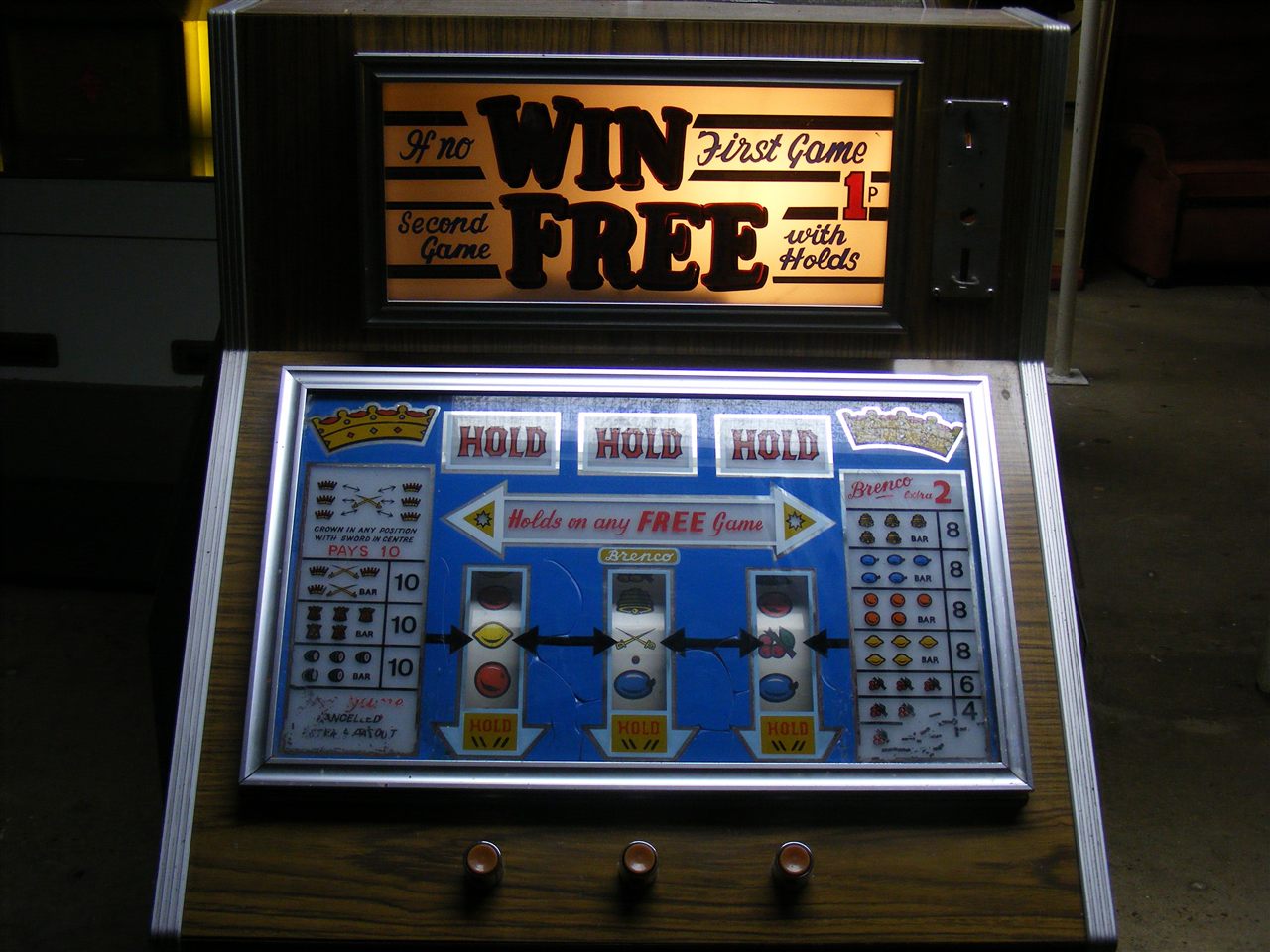
What remains is the spin, the payline and the paytable.
Holding one distinction through the rest of this page makes every claim easy to sort.
Classic slots are defined by subtraction rather than by any feature they possess.
Take a modern video slot, remove the narrative, the cutscenes, the feature buy, the free spins round and four of the reels, and what remains is a classic slot.
Everything the category is known for follows from that removal.
Higher returns follow because nothing is held back to fund a bonus.
Lower ceilings follow because a steady payout structure cannot also produce a ten thousand times multiplier.
Shorter learning curves follow because there is nothing to learn.
Readers who take one thing from this page take that classic slots are a subtraction rather than a genre.
Every property the category is known for follows from what was removed.
Studios still build them because a measurable audience prefers the result.
Operators still stock them because they cost nothing extra to carry.
Canadian players reach them on every licensed and unlicensed route available.
What varies between operators is which certified version of each title is deployed.
Reading the return figure inside the game is therefore as necessary here as anywhere else.
Nothing about the simplicity of the format makes the number automatic.
The category name causes confusion because it describes an era rather than a rule.
Nothing in gambling regulation defines classic slots, so the label belongs to lobbies and marketing departments.
What players mean by it is consistent enough to be useful: three reels, fruit and bars, one screen of paytable, no story.
What operators mean by it stretches to any title with retro artwork.
Reading the mechanics rather than the tag resolves the gap every time.
A title filed under classic slots that opens with a cutscene has been mislabelled.
Classic slots survive because a measurable audience prefers what the removal produced.
Studios keep building them and operators keep stocking them for that reason alone.
Nothing about the format is nostalgic on the operator side.
A player scanning a lobby can identify classic slots in a second from the thumbnail alone.
Three reels, fruit or bars, no character art and no feature banner.
Everything the category promises follows from that visual signature.
What it never promises is a feature round or a life changing multiplier.
Three reels, fruit or bars, no character art and no feature banner identifies the category from a thumbnail.
Nothing behind that thumbnail contradicts the first impression.
Classic slots are the one category where the marketing and the mechanics agree.
Everything below explains what that removal costs and what it buys.
Nothing on the page contradicts the definition it opens with.
Classic slots reward a player who wants to see the whole game at once.
Nothing is hidden behind a feature nobody has triggered yet.
The definition holds across every operator and every studio building the format today.
How did classic slots begin?
The format descends from the mechanical machines that spread through bars and saloons before regulation, where three physical reels carried a small set of symbols and a single line across the middle decided the outcome.
Fruit symbols arrived when machines paid in chewing gum rather than coins.
The bar symbol came from a gum company logo.
Both survived into software long after the reason for them disappeared.
The mechanical origins explain details that otherwise look arbitrary.
Three reels was a physical constraint rather than a design choice, because more reels meant more moving parts and more failure.
A single payline across the middle was the only outcome a mechanical detector could read reliably.
Fruit symbols and the bar were commercial workarounds from an era when cash payouts were prohibited in parts of the United States.
Machines paid in gum and fruit flavoured sweets, and the symbols advertised the prize.
Classic slots inherited all of it and kept it long after software made every constraint irrelevant.
Nothing about the format is required by anything today except recognition.
Tracing the format forward explains why it survived the transition to software.
Mechanical machines dominated for decades because nothing else could be built reliably.
Electromechanical cabinets added lights and sound without changing the structure.
Video cabinets in the seventies and eighties finally removed the physical constraint on reel count.
Studios building the first online casinos in the nineties reproduced what players already recognised, which meant three reels and fruit.
Video slots then took over almost completely as bandwidth and screens improved.
Classic slots survived as a deliberate niche rather than as a leftover.
Studios producing them today are making a design choice rather than an economy.
The Liberty Bell machine is the usual starting point and the details are worth knowing.
Three reels, five symbols each, one payline and a lever produced every convention the format still carries.
Bell fruit gum machines followed and put the fruit symbols in place.
Electromechanical cabinets added hoppers, lights and larger payouts through the middle of the last century.
Software reproduced the whole arrangement faithfully when online casinos arrived.
Classic slots in a Canadian lobby today are a direct descendant of a mechanical device with none of its constraints.
Every convention in the format traces to a mechanical or legal constraint that no longer exists.
Three reels, one payline, fruit and bars all arrived for reasons unrelated to design.
Software kept them because players recognise them.
The transition to software preserved every convention and discarded every constraint.
Reel count, symbol set and payline structure survived because players recognised them.
Nothing prevented studios from building anything else, and they did that too.
Classic slots remained as a deliberate product rather than an inherited limitation.
Mechanical constraint became visual convention and then became a product category.
Each step removed a reason and kept the appearance.
Classic slots today are a design decision wearing a historical costume.
Recognition rather than necessity is why the conventions survived into software.
Players know a fruit reel on sight.
A mechanical device from another century still shapes what a Canadian lobby offers today.
Classic slots carry that lineage openly.
Are classic slots still available in Canada?
Classic slots remain available across every route a Canadian player can reach, including provincial crown sites, Ontario registered operators and the offshore market.
Crown catalogues carry them because they are simple and familiar.
Offshore lobbies carry them because studios keep producing them.
Finding them usually means filtering a lobby by reel count or by the word classic.
Availability differs by route in a way worth knowing before searching.
Provincial crown catalogues carry classic slots readily because simplicity fits their selection criteria.
Ontario registered operators carry them alongside everything else in the studio catalogues they license.
Offshore lobbies carry the widest selection, including older titles nobody else stocks.
Finding them means using a lobby filter for three reels, for the word classic, or for the studio that made them.
Sorting a lobby by popularity will bury them, because modern video slots dominate play volume everywhere.
Finding classic slots in a modern lobby takes a filter rather than a search.
Sorting by popularity buries them because feature heavy titles dominate play volume everywhere.
Most lobbies offer a reel count filter, a feature filter or a category tag that surfaces them.
Filtering by studio works when a player already knows which studios build them.
Crown catalogues carry a smaller total library and a proportionally larger share of classic slots.
Offshore lobbies carry the deepest back catalogue including titles a decade old.
Ontario registered operators sit between the two with broad studio access under provincial standards.
All three routes carry the format and only one of them carries provincial recourse.
Mobile availability is worth checking separately.
Older classic slots were built before mobile mattered and some never received a responsive rebuild.
Titles that did are usually flagged as mobile compatible in the lobby.
Newer classic styled games from Play n GO and Wazdan are mobile first by default.
A player on a phone will find the modern revivals rather than the originals.
Desktop play still reaches the deepest catalogue of genuine classic slots.
Crown catalogues, Ontario operators and offshore lobbies all carry classic slots today.
Only the filter used to surface them differs between the three.
Sorting by popularity hides them everywhere.
Every route a Canadian player can reach carries the format.
What differs is catalogue depth and whether provincial recourse attaches.
Crown sites and Ontario operators both supply classic slots with a licence behind them.
Offshore lobbies supply more titles and no Canadian accountability.
The format is stocked everywhere and surfaced nowhere by default.
Filters rather than searches are how a player reaches them.
Popularity sorting works against classic slots on every route.
Crown, Ontario and offshore all stock the format.
Only one of the three attaches provincial recourse to it.
Classic slots appear on every Canadian route in workable numbers.
Reaching them takes a filter rather than luck.
What is the difference between classic slots and video slots?
A classic slot runs three reels with a handful of paylines and no narrative, while a video slot runs five or more reels, dozens or thousands of ways to win, and a feature structure built around a theme.
Video slots hold a player through anticipation of a bonus round.
Classic slots hold a player through pace alone.
Neither is a better game and they solve different problems.
Comparing the two on the measures that matter produces a clear split.
Video slots offer five or more reels, dozens to thousands of ways to win, themed narratives and elaborate feature rounds.
Classic slots offer three reels, a handful of paylines and a paytable that fits on one screen.
Video slots concentrate return into features and produce long dry stretches between them.
Classic slots distribute return across base spins and produce steadier sessions.
Maximum wins run in the thousands or tens of thousands of times stake on modern titles and in the hundreds on classic ones.
Both categories publish their figures and the difference is visible before a single spin.
Putting numbers on the comparison sharpens it considerably.
A typical video slot runs five reels, twenty to fifty paylines or a ways to win structure reaching into the thousands.
A typical classic slot runs three reels and between one and nine paylines.
Video slot hit frequency is frequently lower and the returns arrive in concentrated bursts through features.
Classic slot hit frequency is higher and the returns arrive continuously.
Video slots publish maximum wins in the thousands or tens of thousands of times stake.
Classic slots publish caps in the hundreds.
Both figures are visible in the game panel before any money is committed.
One further difference affects how a session feels more than any statistic.
Video slots build anticipation deliberately through near misses, scatter counts and feature teases.
Classic slots contain no such machinery because there is nothing to anticipate.
Each spin resolves completely and independently with no progress toward anything.
Players who find that restful are describing the absence of engineered tension.
Players who find it flat are describing the same absence.
Feature structure rather than reel count is what actually separates the two.
Classic slots distribute return through base spins and video slots concentrate it into features.
Both figures appear in the game panel before any stake.
Anticipation machinery is the difference a player feels most.
Video slots engineer near misses and scatter counts to build tension toward a feature.
Classic slots contain none of it because there is nothing to build toward.
Each spin resolves and the next one starts from nothing.
Independence between spins is total in both categories and felt only in one.
Video slots simulate progress toward a feature and classic slots simulate nothing.
Which of those a player prefers decides the whole comparison.
Structure rather than appearance divides the two categories.
The paytable reveals which side a title sits on.
Classic slots resolve completely on every spin.
Video slots accumulate toward something across many of them.
Why do classic slots have high RTP?
Classic slots frequently publish returns above the 96 percent average because a simple paytable with no bonus round is easier to balance at a high figure than a game holding money back for a feature.
Every dollar of return flows through base spins.
Nothing is reserved to fund an elaborate bonus.
Mega Joker, Jackpot 6000 and Bloodsuckers all sit near the top of the published range.
The mathematics behind the pattern is straightforward once stated.
Every slot distributes a fixed percentage of wagers back to players across its lifetime.
A game with a feature round has to reserve a share of that return to fund the feature, which means the base game returns less.
Classic slots have no feature to fund, so the entire return flows through ordinary spins.
Simpler paytables are also easier to balance precisely at a high figure.
Studios building classic slots frequently compete on the published number because there is nothing else to advertise.
That competition is why the top of the RTP table is dominated by the format.
Three separate factors push the figure up and they compound.
No feature round means no return reserved to fund one, so the base game carries everything.
Simple paytables are easier to balance precisely, which lets a studio target a high figure without unintended variance.
Competition on the published number is fiercer in a category with nothing else to advertise.
A modern video slot competes on theme, features and maximum win.
A classic slot competes on the RTP and the pace.
Studios respond to that by pushing the number as high as the commercial model allows.
The result is a category disproportionately represented at the top of every return table.
A fourth factor operates on the operator side rather than the studio side.
Operators frequently exclude the highest returning titles from bonus wagering contribution.
Classic slots appear on those exclusion lists disproportionately.
That exclusion is itself a reliable signal of where the strong figures sit in a catalogue.
Reading the excluded games list finds high return classic slots faster than reading any review.
The list costs nothing to check and appears in every bonus terms page.
No reserved feature funding, simpler balancing and direct competition on the number.
Three causes pushing the same direction produce the pattern.
Classic slots dominate the top of every published return table as a result.
Bonus exclusion lists are the fastest route to the strong figures in any catalogue.
Operators bar the highest returning titles from wagering contribution.
Classic slots appear on those lists disproportionately.
Reading the list finds them faster than reading a review.
Nothing held back, easier balancing and competition on the only visible number.
Three causes produce one outcome consistently.
Classic slots occupy the top of the return table because of it.
Nothing is reserved for a feature that does not exist.
That single fact carries most of the explanation.
Classic slots compete on the published number because nothing else distinguishes them.
That competition benefits the player directly.
Bonus exclusion lists mark the strongest figures in any catalogue reliably.
Which classic slots have the highest returns?
Mega Joker publishes one of the highest figures in online gambling in its supermeter mode, with Jackpot 6000 close behind and assorted NetEnt and Novomatic classics above 97 percent.
Conditions attach to the headline numbers on both leading titles.
Supermeter modes require playing accumulated winnings rather than banking them.
Reading the condition alongside the number is what makes the figure usable.
Naming the titles matters less than reading the conditions attached to them.
Mega Joker from NetEnt publishes one of the highest figures available online, reached only through supermeter play.
Jackpot 6000 from NetEnt works the same way with a similar figure.
Blood Suckers is technically a video slot and sits in the same return range with no condition attached.
Novomatic and Wazdan classics cluster in the high 96 to 97 percent range.
Operators deploying reduced certified versions move all of those figures down together.
The number inside the game at your own operator is the only one that applies.
Reading a list of high return classic slots requires three caveats.
The first is that conditions attach to most headline figures, and supermeter play is the commonest.
The second is that operators deploy certified versions at different settings, so a title returning 99 percent at one operator may return considerably less at another.
The third is that a published list describes whichever operator the author was using.
Mega Joker and Jackpot 6000 lead every such list and both carry the supermeter condition.
Novomatic and Wazdan classics cluster slightly lower without conditions.
Checking the figure inside the game at your own operator is the only step that transfers.
It takes seconds on a game with a one screen paytable.
Two other titles deserve mention alongside the leaders.
Retro Reels and the Novomatic Sizzling range both publish figures at the upper end without conditions attached.
Wazdan classics offer selectable volatility, which changes the session without changing the return.
Specialist studios publish figures above 97 percent on titles nobody has heard of.
Obscurity is unrelated to quality in this category because there is nothing to differentiate on except the number.
Checking the panel on an unfamiliar classic slot frequently produces a better figure than the famous ones.
Conditions, operator versions and list authorship all distort published rankings.
The figure inside the game at your own operator is the only one that binds.
Checking it takes seconds on a one screen paytable.
Obscure titles frequently publish better figures than famous ones.
A category with nothing to differentiate on except the number rewards checking unfamiliar games.
The game panel settles every comparison in seconds.
Published rankings describe another operator rather than yours.
Mega Joker and Jackpot 6000 lead with conditions attached.
Unconditional figures sit slightly lower and apply to every spin.
An unconditional 97 percent beats a conditional 99 for most players.
The panel at your own operator overrides every published list.
Certified versions differ between operators on the same title.
Unfamiliar classic slots frequently beat famous ones on the panel figure.
Checking costs seconds.
An unconditional figure beats a conditional one for anybody who plays normally.
What is supermeter mode?
Supermeter mode is a second game state in certain classic slots where accumulated winnings are replayed at a higher stake against a better paytable, producing the headline return figure the base game alone does not reach.
Banking the winnings instead returns the lower base figure.
Playing the supermeter is what the published RTP assumes.
Most players bank and therefore never see the advertised number.
Understanding the mechanic explains why the headline figures are misleading for most players.
A win in the base game can either be banked or transferred to a supermeter at a higher stake per spin.
The supermeter runs a different and more generous paytable.
The published return assumes a player transfers every win and plays it through.
A player who banks winnings experiences the base game figure, which is three or four points lower.
Neither approach is wrong and only one of them matches the advertised number.
Titles using this structure state both figures where the studio is being transparent.
Working through an example makes the mechanic concrete.
A player stakes a small amount in the base game and wins a modest sum.
The interface offers to bank that sum or transfer it to the supermeter.
Transferring raises the stake per spin substantially and switches to a more generous paytable.
Playing the supermeter down to zero and returning to base play is what the published RTP models.
Banking every win instead produces the base game return, which is three or four points lower.
Neither choice is a mistake and only one matches the advertised figure.
Players quoting the headline number without playing the supermeter are quoting a figure they never experience.
Two related mechanics appear under different names.
Supermeter, superplay and gamble ladder all describe replaying winnings at a higher stake and paytable.
Some titles enter the mode automatically above a win threshold.
Others require the player to transfer manually and offer banking at every step.
A player unaware of the mechanic will bank by default and never reach the advertised figure.
The game panel states both returns where the studio publishes them separately.
The published figure assumes supermeter play that most players never do.
Banking every win returns the lower base figure instead.
Both numbers appear where a studio publishes honestly.
Automatic and manual supermeter entry both exist and behave differently.
Manual entry offers banking at every step and most players take it.
The advertised figure assumes they do not.
Reading which mode a title uses takes one paytable screen.
Transfer and play through is what the published figure models.
Bank and continue is what most players actually do.
Those two behaviours produce returns three or four points apart.
Most players bank and never reach the advertised figure.
The condition matters more than the number.
Classic slots using a supermeter publish two returns rather than one.
Reading both is the whole precaution.
How volatile are classic slots?
Classic slots usually run low to medium volatility, paying small amounts frequently rather than concentrating returns into rare large outcomes the way modern high volatility titles do.
A bankroll lasts longer on a classic slot at the same stake.
Sessions are steadier and less dramatic.
Players who find that dull are describing the design working correctly.
Volatility and return are separate measures and classic slots sit at a distinctive point on both.
Low to medium volatility means frequent small returns rather than rare large ones.
A hundred dollar bankroll at a one dollar stake lasts considerably longer on a classic slot than on a high volatility video slot.
What it will not produce is a session anybody remembers.
Players describing classic slots as boring are describing low volatility working exactly as designed.
The same property is what makes them the strongest choice for clearing a wagering requirement.
Volatility drives bankroll requirements more than return does.
A low volatility classic slot at a one dollar stake will typically survive a hundred dollar bankroll for hundreds of spins.
A high volatility video slot at the same stake can consume it in fifty.
Neither outcome says anything about the return figure of either game.
What it says is how the same percentage is distributed across time.
Players wanting a long session on a modest deposit are choosing volatility rather than return.
Classic slots happen to offer both at once, which is why they suit wagering requirements so well.
Selectable volatility is a modern addition worth knowing about.
Wazdan and a handful of other studios let a player choose low, standard or high volatility on the same title.
The return figure stays constant across all three settings.
What changes is how that return is distributed across spins.
A classic slot on high volatility behaves like a modern title without gaining any features.
The setting appears in the game options rather than in the paytable.
Low volatility stretches a bankroll and flattens a session simultaneously.
Classic slots deliver both effects together at the same return.
That combination is what makes them suit wagering requirements.
Selectable volatility on newer titles keeps the return constant while changing the distribution.
A classic slot set to high volatility behaves like a modern title without gaining features.
The setting sits in the game options rather than the paytable.
Most classic slots offer no such choice at all.
Same return, different distribution is the whole meaning of volatility.
Classic slots distribute steadily and video slots distribute in bursts.
Bankroll requirements follow from the distribution rather than the return.
Low volatility stretches a deposit and flattens the session together.
Both effects come from the same design.
Classic slots sit at the low end of the volatility range by design.
Selectable settings on newer titles are the exception.
Bankroll requirements follow the distribution rather than the percentage.
What maximum wins do classic slots offer?
Maximum wins on classic slots are modest, frequently capped in the hundreds of times stake rather than the thousands or tens of thousands modern video slots advertise.
Returning steadily and paying enormous multipliers cannot happen in the same game.
Classic slots chose the first.
Players wanting the second are looking at a different category entirely.
The ceiling is the price the format pays for its return figures.
A slot distributing a fixed return across outcomes cannot pay an enormous top prize without starving everything else.
Classic slots chose frequent modest payouts and capped the top prize accordingly.
Several hundred times stake is typical and a few thousand is exceptional.
Modern video slots advertise caps in the tens of thousands and fund them with long losing stretches.
Neither approach is better and they suit completely different players.
The trade between return and ceiling is the central constraint in slot design.
A fixed percentage distributed across outcomes has to come from somewhere.
Funding a ten thousand times multiplier requires taking money from every other outcome, which produces long stretches returning nothing.
Paying steadily requires capping the top prize low enough that it does not distort the distribution.
Classic slots sit firmly at the second end of that curve.
Progressive classic titles are the exception and they fund the jackpot by lowering the base return.
Reading the maximum win alongside the RTP shows exactly which end a title occupies.
Comparing caps across categories puts the figure in context.
A modern high volatility video slot advertises fifty thousand times stake and reaches it almost never.
A classic slot caps at a few hundred times and reaches it far more often.
Expected contribution from the top prize is not wildly different between the two.
What differs is whether a player ever experiences it.
Classic slots deliver their ceiling to a meaningful share of players rather than to almost none.
A fixed return cannot fund both steady payouts and an enormous ceiling.
Classic slots chose the steady side and capped the top prize to pay for it.
Players wanting the ceiling are in the wrong category.
The ceiling is reached by a meaningful share of players rather than almost none.
Modern titles advertise caps that most players will never see.
Classic slots advertise smaller ones that arrive regularly.
Expected contribution from the top prize is not wildly different.
Hundreds of times stake rather than tens of thousands.
Reached regularly rather than almost never.
The trade is visible in the game panel before any stake.
Steady returns and a large ceiling cannot coexist in one game.
Classic slots picked the first.
Classic slots cap low and deliver the cap often.
Modern titles do the reverse.
Do classic slots have bonus rounds?
Most classic slots have no bonus round at all, and those that do keep it minimal, usually a nudge, a hold, a gamble feature or a small free spins allocation.
A gamble feature offers a double or nothing card guess after a win.
Nudge and hold mechanics come from British fruit machines rather than from American reels.
Nothing in the category resembles a modern feature round.
Where features exist in the category they are minimal by design.
A gamble feature offering double or nothing on a card colour is the commonest addition.
Nudge and hold mechanics appear on titles descended from British fruit machines.
A small free spins allocation appears on a minority of modern classic revivals.
None of those resembles a modern feature round with its own reel set and multiplier ladder.
A title with an elaborate bonus has left the category whatever its symbols look like.
Cataloguing what does appear clarifies the boundary of the category.
Gamble features appear on a large share of titles and offer double or nothing after any win.
Nudge mechanics let a reel advance one position and come from the British arcade tradition.
Hold mechanics let a player retain reels between spins and come from the same place.
A small free spins allocation appears on modern classic revivals aimed at players who expect one.
Multi level feature trails, expanding wilds and bonus buy buttons all sit outside the category.
A title carrying those has become a video slot wearing fruit symbols.
Free spins on classic slots deserve a note because they behave differently.
Where a modern slot builds a free spins round with its own reel set and multipliers, a classic slot simply repeats base spins at no cost.
No enhanced paytable applies and no multiplier accumulates.
The value is exactly the number of spins multiplied by the base return.
That simplicity makes the feature easy to price and easy to ignore.
Nothing about it changes the character of the game.
Gambles, nudges, holds and small free spin allocations are the whole feature set.
Anything more elaborate has left the category.
Fruit symbols alone do not make a video slot classic.
Free spins on classic slots repeat base spins at no cost and nothing more.
No enhanced paytable, no multiplier ladder and no separate reel set.
Value equals spin count multiplied by the base return.
That simplicity is the whole character of the category.
Gamble, nudge, hold and a plain free spins allocation.
Nothing in that list resembles a modern feature round.
A title with more has left the category regardless of its symbols.
Minimal where present and absent in most titles.
Elaborate features place a game outside the category.
Classic slots keep any feature minimal or omit it entirely.
That omission funds the return.
The absence of a feature round is what funds the higher return.
What is a gamble feature?
A gamble feature lets a player risk a win on a coin flip or a card colour guess, doubling it on a correct call and losing it entirely on a wrong one, and it appears on a large share of classic slots.
The gamble is usually a fair fifty percent proposition.
Using it repeatedly neither helps nor hurts expected return.
What it does is raise variance sharply.
The gamble is worth understanding because players misread what it does.
A correct guess doubles the win and an incorrect one removes it entirely.
At a fair fifty percent the expected value of gambling is identical to banking.
What changes is variance, which rises sharply with each consecutive gamble.
Four successful gambles turn a small win into a sixteen times one at a six percent chance of getting there.
Some implementations offer a card suit guess at four to one for the same reason.
The mathematics of repeated gambling deserves stating precisely.
At a fair fifty percent proposition, expected value is unchanged whether a player banks or gambles.
What changes is the shape of the outcome distribution.
Gambling once turns a ten dollar win into either zero or twenty.
Gambling four times in sequence turns it into either zero or a hundred and sixty, with a six percent chance of the second.
Suit guesses paying four to one work identically at a twenty five percent success rate.
Players using the gamble to chase a target are converting a low volatility game into a high volatility one.
Nothing about the feature is unfair and everything about it changes the session.
Bankroll interaction is where the gamble does real damage.
A player using it on every win converts a low volatility classic slot into a high volatility one.
Sessions shorten, swings widen and the steadiness the format was chosen for disappears.
Anybody playing classic slots to clear a wagering requirement should decline every gamble.
Anybody playing for excitement is using the feature exactly as intended.
Both are coherent and they cannot be pursued at once.
Expected value is unchanged by gambling and variance rises sharply.
Repeated gambles convert a low volatility classic slot into a high volatility one.
Declining every gamble preserves the reason the format was chosen.
Suit guesses at four to one work identically to colour guesses at two to one.
Expected value stays flat and variance rises faster.
Anybody clearing a wagering requirement should decline both.
Anybody playing for excitement is using the feature as designed.
Fair odds, flat expected value, rising variance.
Four consecutive gambles turn a small win into sixteen times at six percent.
Declining preserves the low volatility the format was chosen for.
Variance rises and expected value does not move.
That is the entire mechanic.
Gambling on classic slots trades steadiness for swing.
The choice is made win by win.
Are fruit machines the same as classic slots?
British fruit machines share the symbols and the reel count but add nudges, holds, trails and skill elements that North American classic slots never carried.
The two traditions developed separately and converged in online catalogues.
Canadian lobbies carry both under the same filter.
Recognising which tradition a title comes from explains its mechanics immediately.
Two traditions produced similar looking games with different mechanics.
North American classic slots descend from mechanical reel machines with a single payline and no player decisions.
British fruit machines descend from amusement arcade cabinets with nudges, holds, feature trails and skill stops.
A player who can nudge a reel into position is playing a fruit machine rather than a classic slot.
Online catalogues file both under the same filter and the mechanics announce which is which immediately.
Canadian lobbies carry more of the North American tradition than the British one.
Separating the two traditions properly explains mechanics that otherwise look random.
North American machines were pure chance devices with no player input beyond the stake and the spin.
British arcade machines added player agency because amusement licensing treated skill differently from chance.
Nudges, holds, skill stops and feature trails all descend from that regulatory difference.
Online versions preserve the mechanics without the licensing reason.
A Canadian player meeting a nudge button is playing a game shaped by British arcade law from decades ago.
Both traditions appear under the classic filter and neither is more authentic than the other.
One practical consequence follows for a Canadian player.
Fruit machine mechanics reward attention because holds and nudges involve decisions.
Classic slots reward nothing beyond pressing spin.
A player who enjoys having something to decide will prefer the British tradition.
A player who wants no decisions at all is better served by the North American one.
Both appear in Canadian lobbies under the same category filter.
British arcade licensing produced nudges and holds that North American reels never carried.
Online catalogues file both traditions under classic slots.
The mechanics announce which tradition a title came from.
Decisions are the dividing line between the two traditions.
Nudges and holds give a player something to do and classic slots give them nothing.
Preference between the two is a preference about agency.
Both sit under the same lobby filter in Canada.
Agency separates the British tradition from the North American one.
Holds and nudges give a player decisions and classic slots give none.
Canadian lobbies stock both under one filter.
Two traditions, one lobby filter.
The mechanics announce the origin immediately.
Classic slots ask nothing of a player beyond the stake.
Fruit machines ask for decisions.
Which studios make classic slots?
NetEnt, Novomatic, Play n GO, Wazdan and Pragmatic Play all maintain classic slot titles alongside their modern catalogues, and several smaller studios specialise in the format.
NetEnt built the best known high return classics.
Novomatic brought the European bar and fruit tradition online.
Newer studios produce classic styled games with modern engines.
Studio identity predicts both the style and the return band.
NetEnt built the high return classics that dominate every list, including Mega Joker and Jackpot 6000.
Novomatic brought the European bar and fruit tradition into software with titles like Sizzling Hot.
Play n GO and Wazdan produce modern classic styled games with contemporary engines.
Pragmatic Play maintains a small classic range alongside its enormous video slot catalogue.
Smaller studios specialising in the format frequently publish the most competitive figures.
Studio choice narrows a search faster than any lobby filter.
NetEnt classics dominate the high return end and are stocked almost everywhere.
Novomatic titles bring the European bar and fruit style and appear widely in offshore lobbies.
Play n GO and Wazdan build modern classic styled games with contemporary interfaces and mobile support.
Pragmatic Play maintains a smaller classic range that most operators carry by default.
Specialist studios producing only classic slots frequently publish the most competitive figures because that is their whole proposition.
Recognising four or five studio names replaces browsing an entire lobby.
Studio catalogues age differently and it shows in the format.
NetEnt classics date from the early online era and carry that interface style.
Novomatic titles reproduce land based cabinets the studio already sold across Europe.
Wazdan and Play n GO build classic slots for players who want the format on a modern engine.
Mobile support, selectable volatility and clean interfaces separate the newer titles from the originals.
Return figures across both generations sit in the same range.
NetEnt, Novomatic, Play n GO, Wazdan and Pragmatic Play cover most of what a Canadian lobby stocks.
Studio name predicts both style and return band.
Recognising four names replaces browsing a whole catalogue.
Older classic slots carry older interfaces and weaker mobile support.
Newer classic styled titles are mobile first and frequently offer volatility settings.
Return figures across both generations sit in the same range.
Choosing between them is choosing an interface rather than a game.
NetEnt leads on return, Novomatic on European style, Wazdan and Play n GO on modern engines.
Four names cover most of what a Canadian lobby carries.
Studio choice narrows a search faster than any filter.
Four studio names cover most Canadian lobbies.
Return bands follow studio identity closely.
Studios building classic slots compete on return rather than on theme.
The figures reflect that.
Specialist studios frequently publish the most competitive numbers in the category.
Do provincial crown sites carry classic slots?
Provincial crown sites carry classic slots readily, because the format matches the conservative and accessible selection their curated catalogues favour.
PlayNow, PlayAlberta, Loto-Quebec and Atlantic Lottery all stock them.
Simplicity and familiarity are exactly what a crown catalogue selects for.
A player wanting classic slots inside a licensed Canadian route has options everywhere.
The fit between the format and crown catalogue policy is unusually good.
Crown corporations select for accessibility, familiarity and simplicity across their whole library.
Classic slots satisfy all three without any argument.
Mechanics that crown catalogues avoid, including bonus buys and extreme volatility titles, are absent from the format by definition.
A player who wants classic slots inside a licensed Canadian route will find them at every provincial site.
That is the opposite of the position on almost every other slot category.
The alignment between crown selection criteria and the format is worth spelling out.
Crown corporations select titles that a broad and non specialist audience can understand immediately.
They avoid extreme volatility, elaborate mechanics and anything that invites regulatory attention.
Classic slots satisfy every one of those preferences without compromise.
PlayNow, PlayAlberta, Loto-Quebec and Atlantic Lottery all carry them, and demo play is usually available.
A player who wants classic slots and provincial recourse together has both on every crown route.
That combination is unavailable for bonus buys, extreme volatility titles and most newer mechanics.
Comparing catalogue composition across routes makes the point concrete.
A crown catalogue might carry hundreds of titles with classic slots forming a visible share.
An offshore lobby carrying thousands of titles has more classic slots in absolute terms and a smaller share.
Finding them is easier on the smaller catalogue despite the lower count.
Provincial recourse attaches to one of those routes and not the other.
For this particular category the licensed route loses very little.
Accessibility, familiarity and simplicity are exactly what crown catalogues select for.
Classic slots satisfy all three without compromise.
The licensed Canadian route loses almost nothing in this category.
Smaller catalogues make classic slots easier to find rather than harder.
A curated library surfaces them where a lobby of thousands buries them.
Demo play is usually available on the crown route.
Provincial recourse attaches to every title in that catalogue.
Curation favours the format rather than excluding it.
Every provincial crown site stocks classic slots.
Provincial recourse attaches to all of them.
Simplicity is exactly what crown curation selects for.
The format loses nothing on the licensed route.
Classic slots and crown curation want the same things.
Every provincial site stocks them.
Are classic slots good for beginners?
Classic slots suit beginners well, because a single payline and a short paytable make the relationship between the stake, the symbols and the payout visible in a way a thousand ways to win never is.
Nothing has to be learned before playing.
Nothing happens on screen that a player cannot follow.
Understanding what a slot actually does is easier here than anywhere else.
The learning curve argument holds up under examination.
A modern video slot asks a new player to understand scatters, wilds, multipliers, ways to win, feature triggers and bonus mechanics before anything makes sense.
A classic slot asks them to understand one line and a short list of symbol combinations.
Watching a spin resolve teaches the entire game.
Lower volatility also means a first session is unlikely to end in three minutes.
Anybody learning what a slot actually is learns it faster here.
The case rests on three separate advantages.
Transparency comes first, because a single payline and a short paytable make the relationship between stake and payout visible.
Bankroll longevity comes second, because low volatility means a first deposit produces a real session rather than three minutes.
Return comes third, because the format publishes above average figures.
None of that makes classic slots profitable, since the house edge remains.
What it does is let a beginner learn what a slot is before deciding whether they enjoy it.
Learning that on a high volatility feature slot teaches nothing except frustration.
One caution belongs alongside the recommendation.
Transparency makes a game easy to understand and does nothing to make it profitable.
A high return classic slot still carries a house edge on every spin.
Understanding the mechanics can create a false sense of control over an outcome that remains random.
Beginners benefit from the clarity and should not read clarity as an edge.
The paytable explains what happens and never predicts when.
Transparency, bankroll longevity and above average return together make the case.
None of the three removes the house edge.
Understanding a game is not the same as having an edge in it.
Clarity and edge are unrelated and conflating them is the risk.
A beginner who understands a classic slot completely still faces the same house edge.
What the format removes is confusion rather than cost.
Understanding when to stop matters more than understanding the paytable.
Transparency, longevity and above average return without removing the house edge.
The format teaches what a slot is and never makes one profitable.
Confusing clarity with an edge is the risk worth naming.
Clear mechanics are not an edge.
The house edge survives complete understanding.
Classic slots teach the mechanics faster than any other category.
They teach nothing about beating them.
A visible paytable teaches mechanics and never removes the edge.
How do you read a classic slot paytable?
A classic slot paytable lists each symbol combination and the coins it pays on the active payline, usually across a single screen with no scrolling and no conditional rules.
Multipliers apply to the coin value rather than to the total stake.
Maximum coin play frequently unlocks a higher top prize.
Reading it takes seconds and it never changes mid game.
Reading it properly takes under a minute and settles most questions.
Each row lists a symbol combination and the number of coins it pays on the active line.
Payouts are stated in coins rather than in currency, so the coin value multiplies them.
A separate column frequently shows payouts at one, two and three coins staked.
A disproportionate jump in the top row at maximum coins is the signal that full stake play matters.
Nothing in the table changes during play and no conditional rules apply.
Working through a typical table shows how little there is to read.
The top row lists three sevens or the highest symbol and its payout in coins.
Rows below list bars, bells, fruit and any mixed combinations that pay.
A column set frequently shows payouts at one, two and three coins staked.
A wild symbol, if present, is described in a line of text rather than in a mechanic diagram.
Nothing is conditional, nothing accumulates and nothing changes during play.
The whole table fits on one screen and takes under a minute to absorb completely.
Two details in a classic slot paytable are worth extra attention.
Mixed combinations frequently pay, so any three bars of different types often returns something.
Wild symbol behaviour is described in text rather than shown, and substitution rules vary between titles.
Both details affect hit frequency more than the headline symbols do.
Reading past the top row is where the actual behaviour of the game appears.
The whole exercise still fits inside a minute.
Symbol rows, coin columns, mixed combinations and wild behaviour cover the whole table.
Nothing is conditional and nothing changes during play.
Reading past the top row is where the real behaviour appears.
Mixed combinations and wild substitution rules carry more weight than the top row.
Both affect hit frequency directly.
Neither appears in the marketing or the lobby thumbnail.
Reading them takes the same minute the rest of the table does.
One screen, no scrolling, no conditional rules.
Mixed combinations and wild behaviour matter more than the top row.
A minute covers the entire table.
One screen and no conditional rules.
Wild behaviour is stated in text rather than shown.
Classic slots put the entire game on one screen.
Reading it is the whole preparation.
Should you always bet maximum coins on classic slots?
Betting maximum coins matters on classic slots where the top prize pays disproportionately at full stake, because the published return figure assumes maximum play on those titles.
Playing below maximum lowers the effective return on such games.
Titles without a disproportionate top prize are unaffected.
The paytable shows which is which immediately.
The answer depends on the paytable rather than on general advice.
Where the top prize pays proportionally at every coin level, maximum play changes nothing about the return.
Where the top row jumps disproportionately at three coins, playing below maximum lowers the effective return measurably.
Published RTP figures on such titles assume maximum coin play.
Reducing the coin value rather than the coin count is the correct way to lower a stake on those games.
The paytable shows which case applies in one glance.
Two paytable structures exist and they demand opposite behaviour.
A proportional paytable pays the top prize at the same multiple whatever the coin count, which makes coin count irrelevant to return.
A disproportionate paytable pays the top prize at a much higher multiple only at maximum coins.
Published RTP on the second structure assumes maximum coin play, so playing below it lowers the effective return.
Lowering the coin value rather than the coin count is the correct way to reduce a stake on those titles.
A glance at the top row across the coin columns identifies which structure applies.
Progressive classic slots almost always use the second structure and gate jackpot eligibility on it.
A practical rule covers most cases.
If the top payout row rises faster than the coin count, play maximum coins and lower the coin value instead.
If it rises proportionally, coin count is irrelevant and stake sizing is free.
Progressive classic slots almost always fall into the first case and gate the jackpot on it.
Checking takes one look across the coin columns of the top row.
Getting it wrong on a disproportionate paytable costs a measurable share of the return.
A disproportionate top row means maximum coins and a lower coin value.
A proportional one means coin count is irrelevant.
One glance across the coin columns settles it.
Lowering the coin value preserves maximum coin play on a tight bankroll.
Lowering the coin count forfeits the disproportionate top prize where one exists.
Progressive classic slots gate jackpot eligibility on the coin count.
The distinction costs a measurable share of return when ignored.
Disproportionate top row means maximum coins at a lower coin value.
Proportional means coin count is free.
Progressive classic slots always fall into the first case.
Check the top row across the coin columns.
That single glance decides the stake strategy.
Classic slots split into proportional and disproportionate paytables.
The top row identifies which.
Lowering the coin value preserves eligibility that lowering the coin count forfeits.
What are three reel and five reel classic slots?
Three reels is the traditional classic format, and a growing number of modern titles apply classic symbols and simple paytables across five reels while keeping the feature structure minimal.
Five reel classics widen the payline count without adding narrative.
Purists treat only the three reel titles as classic.
Lobbies file both under the same category.
The boundary of the category has moved and it is worth knowing where.
Three reel titles with one to five paylines are classic slots by any definition.
Five reel titles using classic symbols, short paytables and no narrative are marketed as classic and behave similarly.
What separates them from ordinary video slots is the absence of a feature structure rather than the reel count.
Purists restrict the term to three reels and lobbies apply it more loosely.
Either way the mechanics announce themselves within one spin.
The distinction matters less than what sits behind it.
Reel count is a visual property and feature structure is a mathematical one.
A five reel game with classic symbols, no narrative and a short paytable behaves like a classic slot in every way that affects a bankroll.
A three reel game with expanding wilds, a feature trail and a bonus buy does not.
Lobby filters use reel count because it is easy to tag.
Players choosing on behaviour rather than on appearance get better matches.
Reading the paytable settles the question faster than reading the category label.
Marketing pressure has widened the category further than mechanics justify.
Operators tag anything with retro artwork as classic because the filter attracts a specific audience.
Some tagged titles carry expanding wilds, multiplier ladders and feature buys.
Those are video slots with fruit symbols rather than classic slots.
Reading the paytable and the feature list settles the classification in seconds.
A player relying on the tag alone will meet games the category does not describe.
Reel count is visual and feature structure is mathematical.
Lobbies tag on the first and behaviour follows the second.
Reading the paytable beats reading the category label.
Retro artwork attached to modern mechanics is the commonest mislabelling.
Expanding wilds, multiplier ladders and feature buys all place a title outside the category.
Fruit symbols alone decide nothing.
The feature list is the honest classifier.
Behaviour rather than reel count decides the classification.
Feature lists classify honestly and lobby tags do not.
Reading the paytable settles it in seconds.
Feature structure classifies and reel count only labels.
Retro artwork decides nothing.
Classic slots are defined by what they omit rather than by reel count.
Lobby tags apply the label loosely.
Do classic slots have progressive jackpots?
A small number of classic slots carry progressive jackpots, with Mega Joker and Jackpot 6000 the best known, and the jackpot contribution is what lowers their base game return below the headline figure.
Winning the progressive requires maximum coin play on most titles.
The base game figure applies to every other spin.
Reading the split matters as much here as on any modern progressive.
Progressive classic slots exist and they behave like every other progressive.
A share of each wager funds a pool that pays out to one player at an unpredictable moment.
That contribution comes out of the base game return, which is why the everyday experience is lower than the headline.
Maximum coin play is usually a condition of jackpot eligibility.
Mega Joker and Jackpot 6000 are the best known examples in the category.
A player not staking maximum on those titles is funding a jackpot they cannot win.
Progressive classic slots deserve separate treatment because the headline figure misleads.
A progressive contribution comes out of the return that would otherwise reach ordinary players.
A title advertising a high overall figure may deliver several points less to anybody who never wins the jackpot.
Maximum coin play is usually required for eligibility, which means sub maximum play funds a prize the player cannot receive.
Mega Joker and Jackpot 6000 both operate this way.
The base game figure is the number that describes an ordinary session.
Reading both is the only way to compare a progressive classic against a flat one.
Pool size changes the calculation on any progressive.
Expected value rises as the pool grows because the contribution is returned in full eventually.
A pool well above its historical average makes the overall return more attractive than the base figure suggests.
Tracking pool sizes is the only circumstance where a progressive classic slot argument holds.
Most players never track them and play the base game figure without knowing it.
Reading both numbers before staking is what separates the two situations.
The jackpot contribution comes out of the base game return.
Sub maximum play on such titles funds a prize the player cannot win.
Reading the split rather than the headline is the only fair comparison.
Pool size is the only variable that makes a progressive argument work.
Above the historical average the overall return improves measurably.
Players who do not track pools are playing the lower base figure.
Maximum coin play is usually required for eligibility on classic slots.
Base game return is what an ordinary session experiences.
The jackpot portion reaches one player at an unpredictable moment.
Maximum coin play is usually a condition of eligibility.
A handful carry them and the base return pays for it.
Eligibility usually requires maximum coins.
Progressive classic slots pay for the pool out of the base return.
Ordinary sessions feel the lower figure.
Can you play classic slots for free in Canada?
Demo mode is available for classic slots at most operators and at studio websites, requiring no deposit and running the same version the real money game uses.
Demo play is the fastest way to read a paytable and check an RTP.
Crown sites offer demo play on much of their catalogue.
Nothing about the mathematics differs between demo and real play.
Demo play is more useful in this category than in any other.
The paytable, the volatility and the effect of coin count all become obvious within twenty or thirty spins.
Most operators offer demo mode without registration, and studio websites host the same titles.
The version loaded in demo usually matches the real money version at that operator.
Reading the RTP inside a demo session costs nothing and answers the only question that matters.
Crown sites offer demo play across much of their catalogue.
Demo play answers questions faster in this category than in any other.
twenty or thirty demo spins reveal the hit frequency, the paytable behaviour and the effect of coin count.
Most operators offer demo mode without registration and studio websites host the same titles directly.
The certified version loaded in demo usually matches the real money version at the same operator.
Reading the RTP during a demo session costs nothing and settles the comparison between two operators.
Crown sites offer demo play across much of their catalogue, which makes checking easy on the licensed route.
Nothing about the mathematics changes between demo and real money play.
Demo play has one limitation worth stating.
A demo session cannot reveal the long run return, because a hundred spins or so is far too small a sample.
What it reveals is the paytable, the hit frequency, the interface and the presence of any condition on the headline figure.
Reading the stated RTP inside demo mode covers the number itself.
Judging a classic slot as tight or loose from a demo session is judging variance rather than design.
Every player who does it reaches a conclusion the mathematics does not support.
Demo mode reveals paytable, hit frequency and any condition on the headline figure.
It cannot reveal the long run return at any realistic sample size.
Judging a classic slot from a demo session measures variance rather than design.
Sample size is what a demo session cannot fix.
Hundreds of spins reveal nothing reliable about a lifetime figure.
What demo mode does reveal is everything a player actually needs before staking.
Reading the stated return covers the number itself.
Demo mode answers everything except the long run figure.
The stated return covers that already.
Judging tightness from a short session measures variance alone.
Demo play costs nothing and answers everything actionable.
Crown sites offer it across much of the catalogue.
Demo mode on classic slots reveals everything actionable within minutes.
The long run figure is already published.
The stated return in demo mode matches the real money version at that operator.
Are classic slots better value than modern slots?
Classic slots frequently return more per dollar wagered, and that advantage is real but small against the difference in what the two categories offer as entertainment.
A point of return matters to a high volume player.
Feature rounds matter to a player wanting variety.
Neither preference is wrong and the numbers favour one of them.
Value depends on what is being measured and both answers are defensible.
On return per dollar wagered, classic slots win by a point or more on average.
On entertainment per dollar wagered, players who want features get more elsewhere.
On bankroll longevity, lower volatility makes a deposit last longer.
On the chance of a large win, classic slots lose decisively.
A player who states what they want before choosing gets a clear answer from those four comparisons.
Answering properly requires separating four different questions.
Return per dollar wagered favours classic slots by roughly a point on average.
Bankroll longevity favours them decisively through lower volatility.
Entertainment variety favours modern video slots by a wide margin.
Chance of a large win favours modern titles overwhelmingly.
A player who names which of the four matters most gets an unambiguous answer.
A player who wants all four is asking for a game that cannot exist.
The honest comparison depends on volume as much as on preference.
A player wagering a few hundred dollars a year will never notice a one point difference in return.
A player recycling a bankroll through thousands of dollars of turnover will notice it clearly.
Classic slots reward the second player and offer the first mainly a calmer session.
Neither outcome is a reason to abandon a format somebody enjoys.
Both are worth knowing before choosing on the strength of a return figure alone.
Return and bankroll longevity favour classic slots and variety and ceiling do not.
Volume decides whether the return advantage is noticeable.
Naming the priority answers the question immediately.
Turnover rather than deposit size decides whether the return advantage registers.
A recycled bankroll generates far more wagering than the deposit suggests.
The percentage applies to every dollar of it.
High volume players feel a point clearly and occasional players never do.
Return and longevity on one side, variety and ceiling on the other.
Turnover decides whether the return side registers.
Naming the priority answers the question.
On return, yes and by roughly a point.
On everything else, it depends entirely on the player.
Classic slots win on return and lose on variety.
Volume decides which matters.
Who should play classic slots?
Classic slots suit players who value return, pace and simplicity over features, and they frustrate anybody who plays slots for bonus rounds, storylines and large multipliers.
A player clearing a wagering requirement benefits from the higher return and lower volatility together.
A player chasing a life changing win is in the wrong category.
Matching the format to the purpose is what makes the choice sensible.
Naming the groups the format suits and fails is more useful than a general recommendation.
Players clearing wagering requirements benefit from high return and low volatility simultaneously.
Players who dislike waiting through dead spins for a feature get a steadier experience.
Beginners get a game they can understand completely.
Players chasing a large multiplier are in the wrong category and will be disappointed by design.
Players who play slots for the feature rounds are buying the one thing classic slots do not sell.
Matching the format to a purpose produces clearer guidance than a general recommendation.
Anybody clearing a wagering requirement wants high return and low volatility, which is exactly the classic slot profile.
Anybody learning what slots do wants transparency, which the format supplies better than any alternative.
Anybody who dislikes long dead stretches between features gets a steadier experience.
Anybody chasing a large multiplier is choosing the wrong category by design.
Anybody who plays specifically for bonus rounds is buying the one thing removed from the format.
Stating the purpose first makes the choice obvious in every case.
One group deserves specific mention.
Players who have found modern slots too fast, too loud or too punishing frequently find classic slots restore something they lost.
Slower pace, visible mechanics and steadier returns describe what they are usually looking for.
That is a legitimate reason to choose the format and it has nothing to do with the RTP.
Enjoyment and expected return are separate considerations throughout gambling.
Classic slots happen to serve both at once for that particular player.
Wagering requirements, beginners and players tired of modern pacing are the three clear fits.
Players chasing a large multiplier are the clear misfit.
Stating the purpose first makes the choice obvious.
Players who found modern slots too fast or too punishing frequently return to the format.
Slower pace and visible mechanics are what they are describing.
Enjoyment and expected return are separate considerations.
Classic slots happen to serve both for that player.
Wagering requirements, beginners and players tired of modern pacing.
Multiplier chasers are the clear misfit.
Purpose first, format second.
The format suits a defined group and frustrates another.
Knowing which one you are in settles it.
Classic slots suit a defined purpose rather than a general audience.
Naming the purpose settles the choice.
Purpose decides suitability more reliably than preference does.
What should you check before playing a classic slot?
Read the RTP in the game panel, confirm whether a supermeter or maximum coin condition applies, check the volatility rating, and read the short paytable before committing a bankroll.
Each step takes seconds on a game this simple.
The supermeter condition is the one that changes the number most.
A published return that assumes play a player will not do is not their return.
Running the checks in a fixed order converts a preference into a short procedure.
Read the RTP in the game information panel first, because operators deploy different certified versions.
Check whether a supermeter or maximum coin condition applies to that figure.
Read the volatility rating, which sets how long a bankroll lasts.
Read the paytable, which takes seconds on a game this simple.
Four checks under a minute cover everything the format can do to a balance.
Each check removes a specific misunderstanding rather than producing a general reassurance.
The RTP check reveals which certified version the operator deployed.
The condition check reveals whether that figure assumes supermeter or maximum coin play a player will not do.
The volatility check sets the bankroll the session requires.
The paytable check reveals whether coin count affects the top prize disproportionately.
Recording the answers per operator turns the exercise into a reference rather than a repeat.
Only a version change at the operator invalidates the record.
Recording the results turns four checks into a permanent reference.
A short note per operator listing title, RTP, any condition, volatility and coin structure covers everything.
Nothing invalidates it except an operator deploying a different certified version.
Rechecking one familiar classic slot occasionally confirms nothing has changed.
Players who keep such notes stop relying on lists compiled by somebody playing elsewhere.
Two minutes of maintenance replaces every article ranking classic slots by return.
RTP, condition, volatility and paytable structure.
Four checks under a minute on a game this simple.
Recording them per operator makes the exercise reusable.
The condition check is the one that changes the headline number most.
A return that assumes play a player will not do is not their return.
Recording the four answers per operator makes the exercise reusable.
Only a version change invalidates the record.
RTP, condition, volatility, paytable structure.
Under a minute on a game this simple.
Recorded once per operator, reusable afterwards.
Four checks, one minute, reusable per operator.
The condition check changes the number most.
Four checks cover everything classic slots can do to a balance.
Under a minute each time.
The checklist is short because the games are simple. Classic slots trade features for return, pace and clarity, publish some of the highest figures online, and cap their top prizes to do it. Anybody in Canada who understands that can choose deliberately rather than by accident.
Nothing about classic slots is likely to change quickly. Studios keep building them because a defined audience wants what the format removed, operators keep stocking them because they cost nothing extra to carry, and crown catalogues keep favouring them because simplicity is what curation selects for. A reader returning to this page in a year will find the same trade between return and ceiling with a different set of titles attached to it.
1 thought on “Classic Slots Canada: Three Reels and Higher Returns”