We reviewed online casinos for Canadian players based on payout speed,
bonus value, payment methods, platform usability, and overall trust.
The sites below stood out for stronger offers, smoother withdrawals,
and a better real-money experience.
Play responsibly. Bonus terms apply. Age restrictions depend on your province.

































The history of gambling in Canada runs from Indigenous gaming sticks and Klondike faro tables to provincial lotteries and online casinos. Along the way, the law moved from tolerance to regulation. This page traces that path step by step and ends with where the Canada online casinos on our list fit.
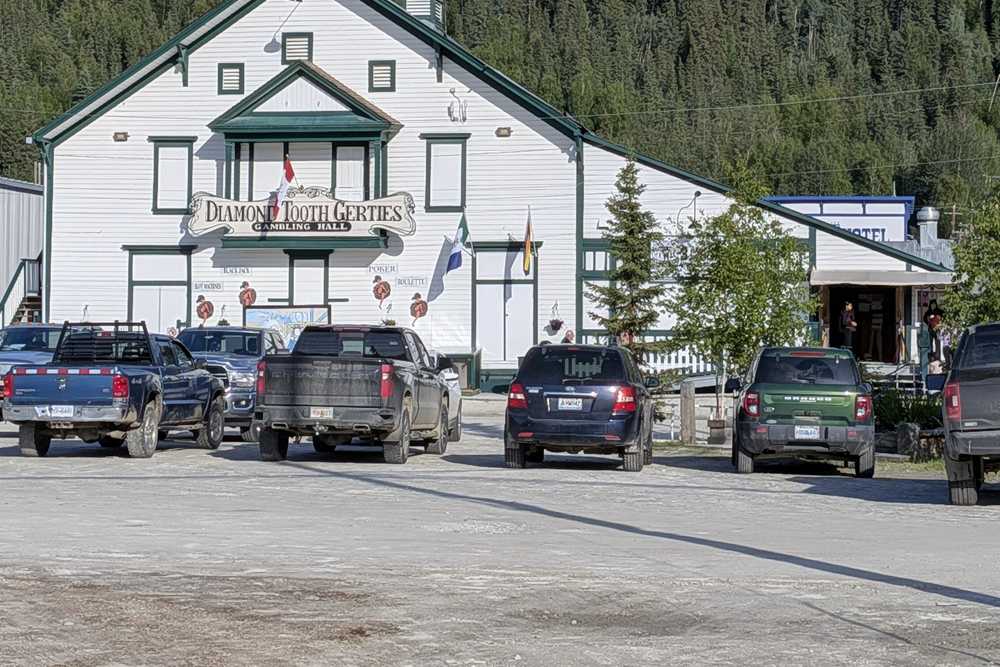
Casino play today is for adults: 19 in most provinces, 18 in Alberta, Manitoba and Quebec. The photo above shows the gambling hall in Dawson City, and the clip below is a short history video.
What is the history of gambling in Canada at a glance?
Put simply, betting came first and the laws came later. The history of gambling in Canada starts with Indigenous games and moves through card and dice tables. Over time, legal control shifted from narrow tolerance to provincial oversight.
The Canadian Encyclopedia gives a plain definition. To gamble is to put money or another thing of value on an uncertain result. Chance, skill, a blend of both, or a contest decides who wins. That covers a dice roll, a poker hand and a horse race.
This page tells the history of gambling in Canada in time order. The first stops are Indigenous games, European cards, Yukon faro, the first Criminal Code, charity games, bingo and pull tickets. Later stops cover provincial lotteries, casinos and online play.
How did Indigenous peoples gamble before Europeans arrived?
With gaming sticks. The history of gambling in Canada begins long before European explorers arrived. The Canadian Encyclopedia notes that betting games were widely enjoyed by Indigenous peoples. Gaming sticks stayed in use for centuries, well before contact with Europe.
This fact matters for the history of gambling in Canada. Gambling in this land was not a European import. Indigenous players were betting long before any colony, province or federal law existed. Every later rule was written for a pastime that was already old.
The encyclopedia entry does not list the rules of each stick game, so this page does not guess at them. It still makes one clear point. Casinos, lotteries and racetracks arrived far later, while betting itself was already here.
Which games did European settlers bring?
Playing cards, above all. The history of gambling in Canada took a new turn when European newcomers arrived with decks of playing cards, as The Canadian Encyclopedia records. A deck is small and light, so it travels easily wherever people go.
One card game shows how old these roots are. Faro, the game in the next section, grew out of landsquenet, a German card game that dates back to at least the 1400s. That makes it centuries older than Canada itself.
For the history of gambling in Canada, the deck mattered more than any one game. A standard deck of fifty-two cards can run a quick game of chance or a long game of skill. That is why card tables keep appearing below.
Why did faro boom during the Klondike gold rush?
Because American gamblers brought it to gold rush towns. The Canadian Encyclopedia says faro, a game that uses an ordinary deck of cards, was a favourite during the Klondike gold rush. That makes it a key chapter in the history of gambling in Canada.
Dawson City, Yukon, was one of the places where these gamblers dealt faro. A single card made or broke fortunes there. That pace and that risk matched a town built on sudden wealth. One card was enough to undo weeks of digging.
Once the rush was over, faro lost its pull. The town of Faro, Yukon, still carries the name, a marker of the gold rush years in the history of gambling in Canada. The game rose and fell with the gold.
How did the first Criminal Code treat gambling?
With tolerance under conditions. The history of gambling in Canada gained its legal backbone in the early 1890s, when Parliament passed the Criminal Code. The Canadian Encyclopedia explains that the Code, built on English common law, has accepted gambling ever since when set conditions are met.
Tolerance is not the same as freedom. The Code did not ban every bet, but it did not allow every bet either. Whether a game was legal depended on who ran it, where it ran and where the money went.
Because the Code grew from an existing legal tradition, Canada did not start from a blank page. Since then, the law has turned on conditions, and those conditions have shifted over time.
What did the pari-mutuel amendment change for horse racing?
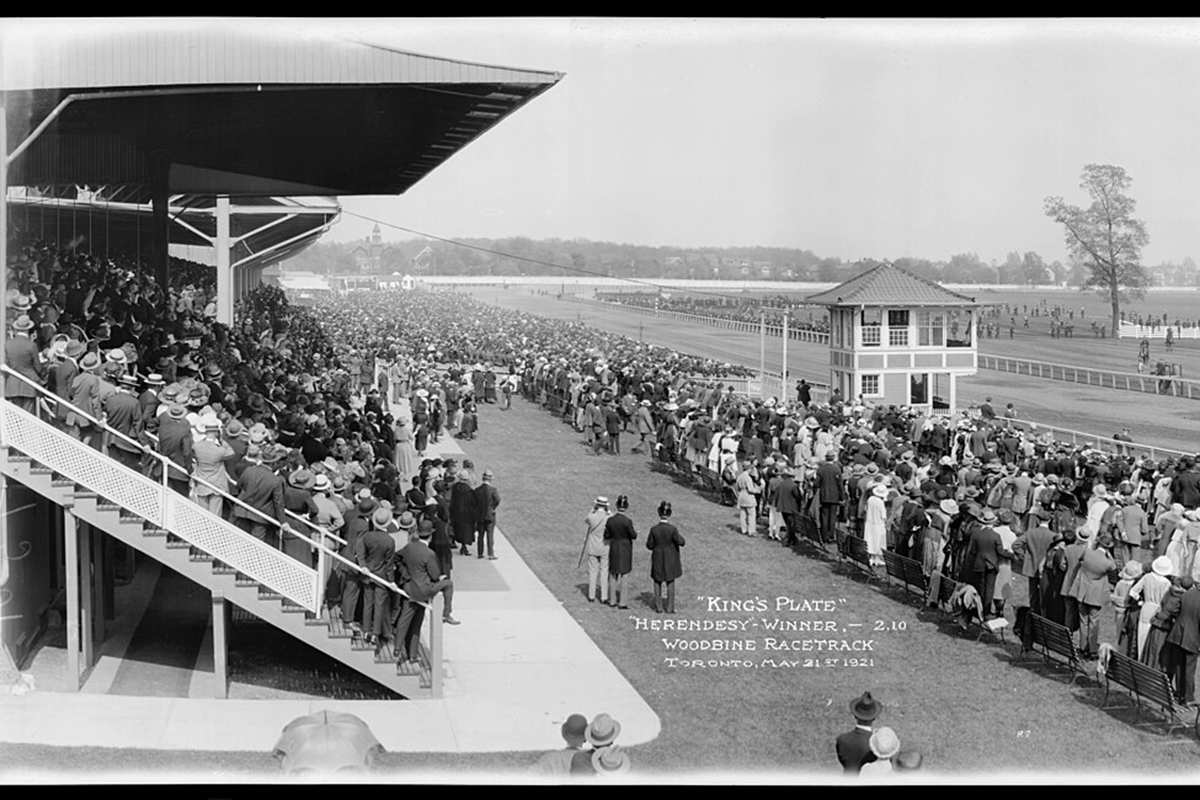
It made pari-mutuel betting on races legal. The Canadian Encyclopedia says a Criminal Code amendment in the 1910s allowed it. That was a turning point in the history of gambling in Canada.
Every bettor on a race adds money to one shared pool. When the race ends, those who backed the winner split what the losing bettors staked. The track, the horsemen and the state each take a share. So bettors face each other, not the track.
That model became a lasting part of the history of gambling in Canada. The encyclopedia adds that pari-mutuel betting at the track has stayed popular for a long time. The Alberta Gaming and Liquor Commission timeline notes that the 1920s saw horse racing grow more popular.
Which charity and fair games stayed legal?
Occasional charity games and a short list of fair games. In the history of gambling in Canada, the law let occasional games of chance run if profits funded charitable or religious causes. Fairs and exhibitions were permitted a small number of games, per The Canadian Encyclopedia.
The key word is occasional. A one-off game for a church or a good cause fit the rule, while a full-time gambling business did not. The test was where the money went.
The same entry adds that charities and religious groups grew to depend on money from gaming. Exhibitions and fairs also bring in large gambling profits. For players, this history explains why early legal gaming took place in halls and on fairgrounds.
When did bingo take hold in community halls?
In the 1920s. The Alberta Gaming and Liquor Commission timeline says community halls and church basements hosted bingo games during that decade. Those settings brought the history of gambling in Canada into ordinary neighbourhood buildings.
Bingo suited these rooms. The rules are easy, one caller can run the game for a full hall, and every player follows the same numbers. Church basements hint at a link with the charity and religious exceptions described above.
Today bingo also runs on screens. To compare the hall version with the digital one, read our page on online bingo in Canada. The card and number format stays the same, but players join from home instead of a local hall.
What were Lucky 7 pull tickets?
Jar tickets sold outside the law. The Alberta Gaming and Liquor Commission timeline says Lucky 7 jar tickets, also called pull tickets, changed hands illegally starting in the 1950s. That chapter of the history of gambling in Canada ended in the 1970s, when selling them became legal.
As the name suggests, the buyer pulls the ticket open to see the result. No skill is involved, so the outcome rests on chance alone. Sales went on for years without legal approval, which shows steady demand.
Their path shows a pattern seen again later, where a game spreads first and the law catches up afterwards. For players, a legal ticket comes with a licensed seller and clear rules, which an illegal one lacks.
Which card and dice games led the last century?
Poker, blackjack, craps and barbotte. Across the last hundred years of the history of gambling in Canada, The Canadian Encyclopedia names them as the most popular games. Poker and blackjack lead the card side, while craps and barbotte lead the dice side.
Poker and blackjack mix luck with player decisions, such as when to fold or take another card. In craps and barbotte, the roll of the dice decides each round. Together, the list shows that cards and dice shared top billing in the history of gambling in Canada.
Craps still runs in casinos and online today. To learn the main bets and rolls, read our page on how to play craps before you try a real-money table. Start with small stakes while you learn.
Where did Alberta open its first charitable casino?
At Edmonton’s annual fair. The Alberta Gaming and Liquor Commission timeline says the province’s first charitable casino opened there in the late 1960s. That event sits at the edge of a new era in the history of gambling in Canada.
A charitable casino sends its gaming profits to good causes rather than to a private owner. That idea was not new, as the section on charity and fair games shows. The new part was a full casino run under that model.
For the history of gambling in Canada, the Edmonton fair casino is a bridge between old and new. It opened in the same late-1960s period as the Criminal Code changes covered in the next section.
Why did the law barely change for decades?
Because the old exceptions held. For decades, the history of gambling in Canada ran on the same narrow rules. The legal picture stayed largely the same until the late 1960s, when a sweeping overhaul of the Criminal Code arrived.
Under those reforms, provinces gained the power to license and oversee gambling, with exceptions, and lotteries became legal. The Canadian Encyclopedia calls this a move from prohibition to regulation. From then on, the provinces held the lead role.
The modern era of the history of gambling in Canada starts here, and the sections that follow pick it up from there. For today’s rules on provincial markets and offshore licences, read our summary of Canadian gambling law.

What did the late 1960s Criminal Code changes allow?
Provincial control and legal lotteries. The Canadian Encyclopedia says Criminal Code changes in the late 1960s gave the provinces power to license and regulate gambling, with exceptions. They also opened the door to legal lotteries. It was a new chapter in the history of gambling in Canada.
Gambling laws had stayed largely the same for decades before this. The encyclopedia calls the change a move from prohibition to regulation. In plain terms, provinces now set the rules and watched over legal games.
The encyclopedia ties these changes to the rise of a multibillion-dollar industry. Each later step in the history of gambling in Canada, from lottery tickets to video lottery terminals, grew out of this provincial power.
How did government lotteries begin in Canada?
Through provincial lottery corporations in the 1970s. The Canadian Encyclopedia says the Criminal Code changes took effect around the start of that decade. Provinces then sold their own legal tickets, a new step in the history of gambling in Canada.
Pull tickets came first, but outside the law. The Alberta Gaming and Liquor Commission timeline says Lucky 7 jar tickets were sold illegally from the 1950s. Their sale became legal in the 1970s.
Wikipedia’s lottery facts say the Atlantic provinces’ lottery was the world’s first to put a bar code on every draw and scratch ticket. It was also North America’s first lottery to sell its products online, a milestone for online lottery in Canada.
What was The Western, the first lottery ticket in western Canada?
The first-ever lottery ticket sold in the region. The Alberta Gaming and Liquor Commission timeline places The Western in the mid-1970s. For western Canada, it marks the opening page of lottery play in the history of gambling in Canada.
The timeline pairs it with another first. Alberta’s first not-for-profit casino opened in the same years, set up by a Kinsmen Club in Edmonton. Both came less than a decade after the late 1960s reforms.
The name points to its reach, since it served the western region rather than the whole country. In the history of gambling in Canada, lottery tickets started out local like this. Shared national draws only arrived later.
When did lotteries become a purely provincial matter?
By the end of the 1970s. The Alberta Gaming and Liquor Commission timeline says lotteries sat exclusively under provincial authority at that point. From then on, lotteries belonged to the provinces alone, a lasting rule in the history of gambling in Canada.
Exclusive authority means no other level of government shared control. Each province decided how its lotteries ran and who sold its tickets. Provinces were still free to join forces, as the Atlantic region did with one shared lottery.
Provincial control still matters to players. The casinos on our list hold offshore licences rather than provincial ones, and they serve players outside Ontario’s regulated market. Lottery rules come from your province, while those casinos answer to offshore regulators.
How did the national lottery games begin?
Through the Interprovincial Lottery Corporation. Wikipedia’s lottery facts say this body was set up in the mid-1970s. Its arrival brought games played across the whole country into the history of gambling in Canada.
The corporation has run Lotto 6/49 since the early 1980s. The Alberta Gaming and Liquor Commission timeline also places the game’s launch in those years. One draw now gathered ticket buyers from every province.
The ten provincial governments own the corporation together. Each province gets back a share of revenue that matches its own ticket sales. More tickets sold means a bigger share. Even national games stayed under provincial control, a pattern that runs through the history of gambling in Canada.
What did the mid-1980s amendment allow provinces to run?
Mechanical gaming devices. The Alberta Gaming and Liquor Commission timeline says a mid-1980s Criminal Code amendment gave provinces the right to operate these machines. It moved the history of gambling in Canada from paper tickets and card tables toward machine play.
Operate is the key word here. Under this change, a province did more than license games run by others. It was now allowed to run the devices itself, under its own rules.
A mechanical gaming device is a machine that runs a game of chance by itself, with no dealer at a table. In the history of gambling in Canada, this amendment set the legal stage for the machine games that came next.
When did Canada’s first commercial casino open?
In the late 1980s, in Winnipeg, Manitoba. The Canadian Encyclopedia names Winnipeg as home to Canada’s first commercial casino. Other provinces followed with casinos of their own, a major step in the history of gambling in Canada.
Commercial sets this casino apart. Alberta’s earlier casinos were charitable, with their profits set aside for good causes. A commercial casino runs as a business instead. In the history of gambling in Canada, Winnipeg’s opening brought that business model into the country.
Players in Manitoba who compare options today can start with our page on online casinos in Manitoba. Check each licence before you deposit. Our BetLabel review, for instance, lists a Kahnawake Gaming Commission licence alongside a Curacao licence.
How did video lottery terminals spread in the 1990s?
Province by province, into licensed establishments. The Canadian Encyclopedia says certain provinces allowed video lottery terminals, or VLTs, in these venues during the 1990s. This put machine play in everyday places, a new turn in the history of gambling in Canada.
Alberta offers a clear example. The Alberta Gaming and Liquor Commission timeline says VLTs were tested at summer fairs in Edmonton and Calgary in the early 1990s. The official program followed soon after those trials.
The encyclopedia adds that VLTs still raise millions of dollars each year for provincial governments. That income comes straight from local players. For anyone reading the history of gambling in Canada, it shows that VLTs outlasted the decade that brought them.
Why did Alberta towns vote on VLTs?
To let local voters decide whether the machines stayed in their communities. The Alberta Gaming and Liquor Commission timeline says a number of municipalities held plebiscites on VLTs in the late 1990s. Those public votes gave residents a direct voice in the history of gambling in Canada.
Places such as Rocky Mountain House and Sylvan Lake voted the machines out. Retailers took the fight to court. The province answered with legislation that removed VLTs from every community that voted against them.
Readers in that province today can compare online casinos in Alberta on our page. Melbet’s licence, for instance, comes from the Curacao Gaming Control Board, an offshore regulator rather than a provincial one.
How did slot machines reach charitable casinos?
Through a mid-1990s change in Alberta. The Alberta Gaming and Liquor Commission timeline says the province’s charitable casinos first added slot machines in those years. It joined charity gaming and machine play, two threads in the history of gambling in Canada.
The province’s charity casinos go back to the late 1960s, when the first one opened at Edmonton’s annual fair. In the early 1980s, a Calgary venue became Alberta’s first permanent, privately operated charitable casino.
The word permanent marks a shift away from a casino tied to a fair. Within three decades, Alberta’s charity casinos went from a fair attraction to fixed venues with slot machines. That arc stands out in the history of gambling in Canada.
How did provinces use lottery money?
On public projects and good causes. Wikipedia’s lottery facts say early ticket money in British Columbia helped pay for Expo 86 in Vancouver. That tie between tickets and public spending shows up often in the history of gambling in Canada.
The Atlantic provinces’ lottery follows suit. It says every dollar of its profit returns to the community. For a ticket buyer, that profit stays in the region instead of going to a private owner.
Across the history of gambling in Canada, gaming money has also reached groups outside government. The Canadian Encyclopedia says charities and religious groups grew to depend on that income. It adds that exhibitions and fairs take in large gambling profits.
How did Quebec and Ontario build their lotteries?
Each began with its own provincial games. Wikipedia’s lottery facts say Quebec’s lottery corporation ran its first draw early in the 1970s. National games did not exist yet at that point in the history of gambling in Canada.
Ontario followed in the mid-1970s, when it launched Wintario as its first lottery game. The name blends the words win and Ontario, which tied the game to its home province. Both stories show lottery play starting at the provincial level.
For Quebec readers, our page on online casinos in Quebec covers the offshore options open to them. If gambling stops feeling like fun, ConnexOntario offers help in Ontario. Gamblers Anonymous and the Responsible Gambling Council support players across Canada.
When did gambling move online in Canada?
In the 1990s. That decade is when the history of gambling in Canada reached the internet, according to The Canadian Encyclopedia. Players at home placed bets on websites instead of visiting a casino, a racetrack or a ticket counter.
Those early operators housed their servers outside the country. They believed that keeping the computers offshore put them beyond the reach of Canadian law. A server is the computer that runs a website, so the site and its machine sat in different places.
This split between where a site sits and where its players live runs through the rest of the history of gambling in Canada. For a player today, check who licenses a site, not where its computers sit, before you deposit.
What happened in the Starnet case?
Police raided Starnet’s Vancouver offices in the late 1990s, a turning point in the history of gambling in Canada. Starnet then entered a guilty plea on a charge of hosting a gambling device. The Canadian Encyclopedia records that the court decision in R. v. Starnet followed in the early 2000s.
A guilty plea means the company admitted the charge instead of fighting it at trial. The charge, in plain words, was about running the equipment behind a game.
The case name follows a standard pattern. The letter R stands for the Crown, which brings criminal charges in Canada. For readers tracing the history of gambling in Canada, the raid and the plea set up the ruling covered next.
Why did the Starnet ruling matter for online operators?
It closed the offshore loophole. The ruling found that a company based in Canada answers to Canadian law, wherever its servers sit. That point shaped the history of gambling in Canada, because certain Canadian firms had used the loophole, as The Canadian Encyclopedia explains.
After that decision, online gambling in Canada came under the control of provincial governments. A firm with staff and offices in Canada can no longer point to a foreign server as a shield. See online gambling and Canadian law for today’s rules.
For players, the ruling explains a divide that still exists. Sites run by provincial bodies sit inside Canadian law, while sites based abroad hold foreign licences. Knowing which kind you use tells you which rules protect your money.
Which province launched Canada’s first legal online casino?
British Columbia. Its provincial lottery corporation was the first in the country to run a legal online casino, a milestone in the history of gambling in Canada. Its platform later expanded to serve Manitoba and Saskatchewan as well.
Today every legal online bet in British Columbia goes through one website, operated by that lottery corporation. Since the Starnet era, provincial lotteries have also begun offering sports betting, casino games and poker online. Our page on online casinos in British Columbia covers the options there.
Earlier in the history of gambling in Canada, the province’s lottery money helped pay for Expo 86 in Vancouver. A British Columbia player who wants support with betting habits can turn to GameSense, a help service in the province.
How did Atlantic Canada pioneer online lottery sales?
By selling online first. No lottery jurisdiction in North America sold products online before the one serving the Atlantic provinces. That step gave the east coast an early lead in the history of gambling in Canada.
The same lottery was also the world’s first to put bar codes on all of its draw and scratch tickets. A bar code lets a store scan a ticket instead of reading it by hand.
The lottery states that its profits return in full to the community. Players in the region who want private sites as well can compare online casinos in Nova Scotia with the provincial offer before signing up. Look at payment options and withdrawal times side by side for each site.
What did Bill C-218 change for sports betting?
Single-event sports betting became legal. Bill C-218, called the Safe and Regulated Sports Betting Act, cleared Parliament in the early 2020s. The law lets provinces and territories run and manage bets on single events, a major expansion in the history of gambling in Canada.
A single-event bet is a wager on the result of one game or match. The act took effect in late summer of the same year it passed. Before betting, read how the site settles a cancelled match.
The act did not create one national sportsbook. Each province then chose its own path, as the next sections show. That is why, at this point in the history of gambling in Canada, the rules for a sports bet depend on your province.
How did Ontario open its iGaming market?
Through private licences. Ontario opened its iGaming market to commercial operators in the early 2020s, the first such market in the history of gambling in Canada. Licensed private companies can now offer sports betting and online casino games to players in the province.
Before the launch, private firms had no legal route into Ontario’s online market. The new model added choice, but every private site still answers to the province. The full rules sit in our page on Ontario online gambling laws.
In Ontario, the recent history of gambling in Canada leaves two legal choices, the provincial site or a licensed private one. Anyone there who feels their betting is slipping out of control can contact ConnexOntario for support.
What did Alberta change this year?
It opened a private market. Alberta set up its own regulated market this year for privately run online gambling, the newest step in the history of gambling in Canada. That makes it the second province, after Ontario, with a commercial online market.
The remaining provinces have no commercial market. There, each province’s or region’s lottery corporation handles all legal online gambling. This patchwork in the history of gambling in Canada traces back to the late 1960s, when Criminal Code changes let provinces license and regulate gambling.
For players in Alberta, the change means a private site can now carry a provincial licence. Look for that licence in a site’s footer, and treat its absence as a sign the site works from abroad.
Where do the offshore casinos on our list fit in this history?
Outside the provincial systems. Each casino we list carries a licence from an offshore body rather than a Canadian province. They all target players who live outside Ontario’s regulated market. In the history of gambling in Canada, they sit on the offshore side of the line the Starnet ruling drew.
Our BetLabel review shows it is licensed by the Kahnawake Gaming Commission and also holds a Curacao licence. Melbet carries its licence from the Curacao Gaming Control Board. These bodies, not a province, set their rules.
The Canadian Encyclopedia notes concerns that sites working outside legal provincial setups carry a high risk of money laundering. Read our comparison of licensed versus offshore casinos and check a site’s licence, terms and withdrawal record first.
What do studies say about gambling harm in Canada?
Most gamblers show no problem. When Statistics Canada measured past-year gamblers in the late 2010s, 95% scored 0 on the Canadian Problem Gambling Index. Harm research is a newer chapter in the history of gambling in Canada.
The same study placed 3.4% at low risk and 1.6% at moderate to severe risk, about 304,000 people. Researchers have moved to the idea of gambling-related harms. These include damage to money, emotions, mental health and relationships, and they can hit people with no gambling problem.
Last year, research on Canadians aged 18 to 29 showed that 32% had gambled online. Among those online gamblers, 23.5% reported high levels of harm. Read our tips on avoiding gambling addiction online if any of these harms sound familiar.
Why are gambling ads under scrutiny?
Because researchers worry they can make harm worse. Advertising for gambling, and for sports betting above all, has spread alongside online markets. That growth marks a recent turn in the history of gambling in Canada. Critics add that the boom in betting ads carries a public health cost.
An ad is built to make a bet look easy and fun. It rarely shows the losses, so treat every offer as a sales pitch, not as advice. Set a budget and a time limit before you look at any promotion.
If ads keep pulling you back to betting, help exists in Canada. Gamblers Anonymous holds peer support meetings, and the Responsible Gambling Council promotes safer play. Reaching out early beats repairing harm later.
How does that history shape the way Canadians gamble today?
It made gambling a regulated, provincial affair. The Canadian Encyclopedia credits the legal changes with raising tax money, adding oversight and sharply cutting the income of illegal gambling. Today’s players inherit that legacy from the history of gambling in Canada.
The history of gambling in Canada also shows in the games people pick. For about a century, poker and blackjack have led card play, while craps and barbotte have led dice games. Those card games now sit in online casino lobbies.
Gaming money became a key source of funds for charities and religious groups. Video lottery terminals also still bring provincial governments millions of dollars a year. That shared stake explains why gambling stays legal but closely watched.