

































Play responsibly. Bonus terms apply. Age restrictions depend on your province.
This page, part of our Canadian online casino reviews, covers the one licensed online casino Nova Scotia offers. We compare it with the Halifax and Sydney casinos and bar video lottery terminals (VLTs). We also explain who runs each, the law, the VLT fight, gambling help and offshore sites.
Section 7(6) of Nova Scotia’s lottery scheme regulations bars paying online prizes to anyone under 19. Our gambling age page says 19 matches the Atlantic age of majority. The video below explains who does what in Nova Scotia gaming.
Which site is the only legal online casino Nova Scotia has?
It is the Atlantic provincial site. GGB Magazine reported on July 31, twenty twenty-two, that the online casino Nova Scotia players use opened there on July 21. It launched under a partnership between the province and the four-province lottery corporation.
Section 2B(1) of the lottery regulations decides who can run an online casino Nova Scotia permits. No person other than the provincial gaming corporation can conduct or manage an online game in the Province.
NCFA Canada, cited on our licensed vs offshore page, describes the four-province lottery corporation as a Crown corporation running VLTs, provincial lotteries and online wagering.
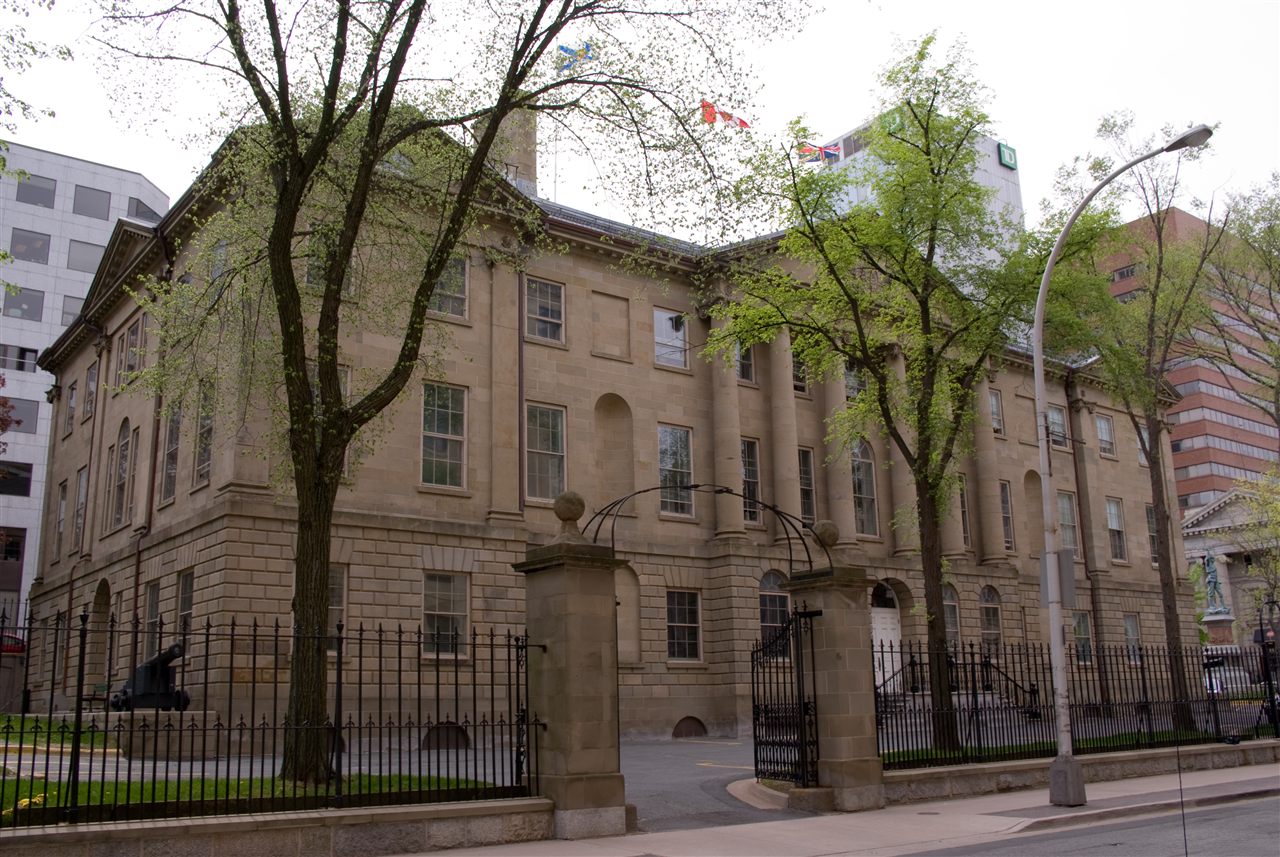
How do the Halifax and Sydney casinos compare with playing online?
The Halifax and Sydney casinos pay faster. Our online vs land casinos page says a land casino pays out at the cage straight away. A withdrawal from an online casino Nova Scotia players use takes hours to days.
The Halifax casino had 589 slot machines and 28 table games in fiscal twenty twenty-four to twenty twenty-five, says Service Nova Scotia’s Annual Gaming Report. The Sydney casino had 280 slot machines but no table games, unlike live dealer casinos.
For anyone weighing an online casino Nova Scotia account, the same page says online slot games usually pay back 95% to 98%. Land machines often return three to five points less.
Where do bar VLTs fit beside the casinos and the online site?
VLTs drew a $635.3 million wager in fiscal twenty twenty-four to twenty twenty-five, beside the casinos and the online casino Nova Scotia runs. Service Nova Scotia’s Annual Gaming Report says that was up 1.1 per cent from $628.6 million.
The corporation’s annual report counts 1,923 VLTs that year, leaving out First Nations sites. Service Nova Scotia’s report says the Halifax and Sydney casinos saw a combined wager of $520.5 million, up 8.2 per cent from $480.8 million.
Total regulated wagering hit $1.60 billion, up 5.2 per cent from $1.51 billion, the same report says. Away from VLTs and the online casino Nova Scotia offers, charitable bingo wagering rose 16.3 per cent to $38.6 million.
Which gambling here sits outside the provincial gaming corporation’s reach?
Video lottery in Mi’kmaw communities sits outside its reach. So does internet gambling other than the Atlantic provincial site, the only licensed online casino Nova Scotia players have. The provincial gaming corporation says it does not manage either.
Provincial gaming corporation head Bob MacKinnon told the Public Accounts Committee literally thousands of online casino sites were available here, Hansard shows. Our Quebec page says the Kahnawake Gaming Commission has licensed hundreds of gambling sites.
The Ticket Lottery Regulations, in section 13(6), bar sales here of out-of-province lottery tickets. We found no provincial statute or regulation that targets an offshore online casino Nova Scotia players join, or online gambling advertising, by name.
Why did the provincial gaming corporation move inside the finance department?
The move aimed to cut duplication and match the other Atlantic Provinces, says the Public Accounts Committee Hansard. Anyone studying online casino Nova Scotia rules can see Lilani Kumaranayake gave that reason for the Deputy Minister of Finance and Treasury Board.
In the same Hansard, she called Nova Scotia the only Atlantic Province with a Crown corporation, apart from government, regulating gaming. Section 11 of the Gaming Control Act gives the Minister control of the corporation.
For online casino Nova Scotia readers, section 19 of that Act made every corporation employee a Province employee. Their status under the Civil Service Act began on December 1, twenty twenty-two.
What share of the four-province lottery corporation belongs to Nova Scotia?
Nova Scotia’s share is 25%, held by the provincial gaming corporation, its financial statements say. The other three provinces’ bodies own 25% each. For online casino Nova Scotia players, that means four equal owners.
The Unanimous Shareholders Agreement assigns the provincial gaming corporation 30% of the four-province lottery corporation’s profit or loss, the statements add. In the committee Hansard, Lilani Kumaranayake said the four provinces agreed to review it every five years.
For online casino Nova Scotia history, the Public Accounts of Nova Scotia date the four-province lottery corporation to nineteen seventy-six. Our online casinos in Newfoundland page says the three shareholders besides that province are provincial lottery and gaming bodies.
What does the casino operator run, and what stays with the province?
The casino operator runs the Halifax and Sydney casinos under an operating contract ending June 30, twenty thirty-five. For online casino Nova Scotia readers, the provincial gaming corporation’s financial statements report this and say all casino revenue and bank accounts belong to it.
Section 4 of the Casino Regulations lets only a registered casino operator run a casino for the corporation. The same Regulations set its yearly registration fee at $132,695.20.
For anyone following online casino Nova Scotia news, the casino operator’s release says the corporation can acquire the Halifax casino property for a token price. That right comes from the current operating contract.
What does the gaming regulator inspect, and how do players reach it?
The Alcohol, Gaming, Fuel and Tobacco Division licenses and monitors casinos, bingos and lotteries, Service Nova Scotia’s Annual Gaming Report says. Anyone checking online casino Nova Scotia rules will see it also covers other games of chance, except harness racing.
The division’s annual gaming report says it randomly audits casino slot machines to check they are set to legislated minimum payouts. It also investigates incidents inside casinos to protect the honesty and integrity of gaming.
Its report lists 902-424-6160 for Dartmouth, 902-563-3495 for Sydney and 1-877-565-0556 toll-free. In online casino Nova Scotia research, Part II of the Gaming Control Act names the Minister of Service Nova Scotia for gaming control.
Why does the Gaming Control Act never mention the internet?
The Gaming Control Act never uses the words internet, online or website, says the Nova Scotia Legislature. So the online casino Nova Scotia players use has no clause of its own in the Act.
The Criminal Code exempts provincial governments, licensed charities and fairs, among others, from gambling bans, our Canadian casino regulations page notes. Paragraph 207(1)(a) lets a province run lottery schemes under its own law, the Justice Laws Website says.
Rather than name the online casino Nova Scotia offers, section 10(a) gives the provincial gaming corporation the object of running casinos and other lottery schemes. It can act alone or with another province, the Act says.
Which rule gives one company the sole right to run online games?
Section 2B(2) of the lottery regulations does, the Nova Scotia Registry of Regulations shows. No person other than the four-province lottery corporation can operate an online game for the provincial gaming corporation. That company runs the online casino Nova Scotia players use.
The Royal Gazette Part II says Order in Council 49 of twenty twenty-one amended the lottery regulations to enable online casino-style games. Its definition had the four-province lottery corporation operate them online or over another electronic channel.
The Royal Gazette Part II says a December twenty twenty-five change added section 2A. Under it, the Casino Regulations do not apply to the online casino Nova Scotia residents use.
What counts as a game at the online casino Nova Scotia runs?
Any single-player or multi-player lottery scheme played on the internet or another electronic channel counts, the lottery regulations say. That includes casino-style games showing cards, dice or chips at the online casino Nova Scotia residents can join.
Interactive games with a simulated dealer or a live dealer, a person dealing in real time, count too. The Atlantic provinces reach live dealer tables through their own Crown platform, our live dealer introduction page says.
At the online casino Nova Scotia players log into, section 4(3) keeps each game’s terms readable inside it at all times. Players must accept them before a session starts.
Where do charity raffles and fifty-fifty draws fit in provincial law?
Charity raffles run on provincial lottery licences or permits, apart from the online casino Nova Scotia runs. A ticket lottery licence covers total prizes of $4,000.01 or more, and a permit $4,000 or less, say the Ticket Lottery Regulations.
Criminal Code paragraph 207(1)(b) lets a charity or religious group run a provincially licensed lottery for charitable or religious ends. Under Gaming Control Act section 67(1), the Executive Director can issue that licence when cabinet authorizes it.
A Falmouth woman won $1,467,620 in a Nova Scotia Firefighters 50-50 Christmas draw, Global News says. We found the online casino Nova Scotia rules on the province’s site, but no Electronic On-Line Raffle Systems policy for online fifty-fifty draws.
How have the Halifax and Sydney casinos changed hands and homes?
Both casinos changed hands in two thousand five, years before the online casino Nova Scotia players use today. The provincial gaming corporation’s annual report says the current casino operator took ownership of both that year.
The Halifax casino’s part in the history of gambling in Canada began in a temporary hotel site, says Wikipedia. Over 16,000 people came when its new home opened April 24, two thousand, says a Government of Nova Scotia release.
The same government says the Sydney casino will stay where it is. Before the online casino Nova Scotia approved, the casino operator renewed for a second ten-year term on June 23, twenty fourteen, it adds.
Why did the province first refuse to run an online casino?
Harm is why the province first refused an online casino Nova Scotia residents can join. Standardbred Canada says Premier Darrell Dexter called online gaming inconsistent with the goal of reducing gaming harm.
Standardbred Canada says Dexter announced no provincially run online gaming website, citing The Chronicle Herald. A provincial release says the twenty eleven responsible gaming strategy reaffirmed no expansion into internet gambling like the online casino Nova Scotia players use.
The two thousand seven Nova Scotia Adult Gambling Prevalence Study says 4.9% of those who tried internet gambling reported problems. That nearly matched the 4.7% rate for VLTs.
What finally pushed the government to approve online casino games?
Offshore gambling is the government’s reason for the online casino Nova Scotia now has. GGB Magazine says Finance Minister Allan MacMaster said the government launched it with reluctance because Nova Scotians already gambled on offshore sites.
Public Accounts Committee Hansard shows Patrick Daigle, head of the four-province lottery corporation, saying its online channel aimed to win back players from illegal sites. Committee member Brendan Maguire replied that online gambling also brought the government new revenue.
GGB Magazine says Progressive Conservative Murray Ryan said the online casino Nova Scotia approved was really about boosting revenues that fell during Covid-19. Nova Scotia’s Public Accounts say VLTs stopped and both casinos closed on March 15, twenty twenty.
What did the online casino Nova Scotia approved offer at launch?
Close to 150 games came with the online casino Nova Scotia approved at launch, says the Public Gaming Research Institute. They included 112 slot games, 20 table games, 7 poker games and 5 video poker games.
CBC News says a provincial gaming corporation spokesperson said the planned site was to check age and residency. It was also to have privacy controls, self-exclusion, deposit limits, time displays and analytics on player activity.
The launch of the online casino Nova Scotia residents use added $9.2 million to the four-province lottery corporation’s iLottery line. The corporation’s annual report puts that in fiscal twenty twenty-two to twenty twenty-three.
How did VLTs move from corner stores into bars and lounges?
Public anger made the government pull 2,400 VLTs from corner stores, leaving 1,100 in bars, the Christian Science Monitor reported in nineteen ninety-three. Unlike an online casino Nova Scotia players use, VLTs were then kept to liquor-licensed sites, the provincial gaming corporation says.
VLTs arrived legally in nineteen ninety-one, in convenience stores and laundromats, to counter illegal grey market machines, the provincial gaming corporation says. The Video Lottery Regulations, N.S. Reg. 42, took effect on April 4, nineteen ninety-five.
Players who pick a bar VLT over an online casino Nova Scotia site play under these regulations. Approved premises must hold a club, beverage room, lounge, cabaret or special premises liquor licence, or a marine ferry licence.
How did the VLT cap, moratorium and attrition shrink the count?
A freeze held the count, then attrition cut it. Unlike an online casino Nova Scotia site, VLTs faced a cap. The provincial gaming corporation puts it at 3,234 in liquor-licensed sites in nineteen ninety-eight, outside Mi’kmaw communities.
But the Auditor General of Nova Scotia says the Video Lottery Terminals Moratorium Act, passed on June 29 that year, froze the count at 3,224. It reports 3,130 VLTs on March 31 that year.
Away from any online casino Nova Scotia site, attrition took 209 VLTs from twenty eleven to twenty twenty-one, The Signal, King’s Investigative Workshop says. CBC News cites the province in twenty twenty: over 1,200 removed since two thousand five.
Which bet, prize and payout limits are built into every VLT?
VLTs cap the loss on one play at $2.50, the Video Lottery Regulations say. Prizes top out at $1,000 a wager. Anyone who swaps an online casino Nova Scotia site for a VLT bets in credits of $0.25, $0.10 or $0.05.
Each machine must be set to award at least 80% of the money it accepts as prizes. Switching from an online casino Nova Scotia site also means VLT wins come as a voucher or ticket, never cash.
Licensees pay 70% of machine takings, after vouchers, into a trust account by the 5th day after receipt. Breaking the regulations brings a fine of at least $10,000, or up to 6 months in prison if unpaid.
Which hours, credit and age rules apply to bars with VLTs?
VLTs run only during a site’s liquor licence hours, the Video Lottery Regulations say. A player moving from an online casino Nova Scotia site to a bar VLT must be 19 or older, under section 10(3).
Bar players who skip an online casino Nova Scotia site get no house credit for VLT play, under section 9(1). Cheque cashing, loans and help with credit card advances are banned too.
Section 10(4) of the Nova Scotia Video Lottery Regulations lets a licensee demand proof that a person is at least 19. That person has to provide it.
What changed for VLT players when play stopped at midnight?
Play after midnight ended. As background for online casino Nova Scotia players, the provincial gaming corporation says VLTs shut off at midnight from July 1, two thousand five. A Nova Scotia news release says a disproportionate number of problem gamblers played in that window.
A Government of Nova Scotia news release says Premier John Hamm released the first provincial gaming strategy on April 6, two thousand five. It was a five-year plan with 23 initiatives.
For online casino Nova Scotia readers, the provincial gaming corporation says software changes slowed game speed by 30% from January 1, two thousand six. They also disabled the stop button.
What did the VLT player card do, and what did it cost?
The card let VLT players see current and past activity, set spending and time limits and stop play at once, CBC News says. As context for online casino Nova Scotia players, CBC News puts its cost at $19.5 million.
Techlink Entertainment won the card contract in November two thousand seven, the provincial gaming corporation annual report says. A Government of Nova Scotia news release says the card became mandatory on VLTs from April twenty twelve.
For any online casino Nova Scotia player, the Canadian Privacy Law Blog said the planned card let players stay anonymous. CBC News says an expert review found players used it only to start the VLT, then threw it away.
Why did the province switch off its mandatory VLT tracking card?
Minister Andrew Younger said 99.9 per cent of players were not using the card’s features, CBC News says. As history for online casino Nova Scotia players, CBC News adds the government blamed the card for a $47.5-million VLT revenue drop.
A Government of Nova Scotia news release says the card went voluntary on August 22, twenty fourteen. The government began disabling it on September 8, twenty fourteen.
The Auditor General of Nova Scotia found no consistent process weighed all options for removing or replacing the card. For online casino Nova Scotia fans, CBC News says Progressive Conservative critic Chris d’Entremont called the decision “immoral”.
Can VLT players in bars still set limits or ban themselves?
Not through a card. CBC News says since the card system ended, VLT players no longer track their play or face any limit imposed on their access. For online casino Nova Scotia newcomers, we found no source naming a current VLT self-exclusion programme.
A Nova Scotia news release cites research by Focal Research Consultants from early two thousand four. It found a VLT self-exclusion programme relying on bar or retail staff to spot players is not effective long term.
That research also found enrolled players’ confidentiality cannot be guaranteed. For readers weighing online casino Nova Scotia gambling limits, the provincial gaming corporation says it requires VLT retailers to complete annual responsible gambling training.
What does the lawsuit shield in the Gaming Control Act block?
It blocks suits against the Province, its ministers, the provincial gaming corporation, casino operators and the four-province lottery corporation. That lottery corporation runs the only licensed online casino Nova Scotia players have. Section 126A(1) of the Gaming Control Act covers good-faith lottery work, VLTs included.
Section 126A(2) still allows suits against the four-province lottery corporation and casino operators for damage caused by negligence. Section 126A(3) rules out punitive or exemplary damages in those suits.
Before choosing an online casino Nova Scotia residents can use, note that section 126A(4) bars class actions over those suits. Bill 243 added section 126A, says the Nova Scotia House of Assembly.
Why does the shield law reach back to the first legal VLTs?
The government said it wanted to protect taxpayers from potentially costly lawsuits, The Signal reports. Lawyer Ray Wagner called the law a bid to shield the government from VLT harm suits, a view online casino Nova Scotia players can weigh.
The House of Assembly says Bill 243 makes section 126A apply back to a set day in nineteen ninety-one. CBC News says cabinet made VLTs legal on that same day.
The Signal says Wagner’s firm had been gathering names for a possible Nova Scotia class action. The outlet described no Nova Scotia suit as filed, worth noting for online casino Nova Scotia players.
What losses brought a casino gambler and a VLT player to court?
Harold Paul Burrell lost over $500,000 at the Sydney casino, the Nova Scotia Court of Appeal says. Bernard Walsh played VLTs from nineteen ninety-one to nineteen ninety-seven, then sued the four-province lottery corporation and others. Neither case was about an online casino Nova Scotia site.
Burrell sued the casino operator, the Attorney General and the provincial gaming corporation. He said they let him keep gambling after they knew or ought to have known he was addicted.
Casino Regulation 20(1)(c) once barred operators from letting people who appear addicted to gambling play. Online casino Nova Scotia players can note that N.S. Reg. 214 of twenty eleven later repealed it.
Why did judges here refuse to make operators liable for gambling harm?
Justice Fichaud wrote that allowing casino gambling was a policy decision that courts do not second guess through tort law. Justice LeBlanc found no intent in the Act to create private tort duties, a finding online casino Nova Scotia players can weigh.
Justice Fichaud wrote the Act’s sanctions rest on a prior ban, a chance to self-exclude and shared responsibility of gambler and operator. Justice LeBlanc called bringing in VLTs a policy choice based on economic, social and political factors.
The Court of Appeal dismissed the Burrell appeal on December 2, twenty eleven, with $2,000 in costs. It dismissed the Walsh appeal without costs, a record online casino Nova Scotia players can study.
How do Mi’kmaw communities run gaming under their own agreements?
Mi’kmaw gaming runs on its own deals, separate from any online casino Nova Scotia offers. The provincial gaming corporation says each agreement is between the Province and an individual Band, negotiated by the Office of L’nu Affairs.
The Nova Scotia Department of Health and Wellness says the government signed gambling deals with Mi’kmaq First Nations in nineteen ninety-five. Each band that joined has its own agreement to run VLTs.
A twenty fifteen Auditor General of Nova Scotia report says 13 First Nation Bands had deals to run reserve gambling. Each kept 100 percent of the net revenues, money earned outside the online casino Nova Scotia market.
Why do First Nations VLTs sit outside attrition and inspections?
The Signal counted 651 First Nations VLTs exempt from attrition. Away from the online casino Nova Scotia players use, the Auditor General of Nova Scotia says reserve gambling went unmonitored. The province’s gaming division said it lacked legislative authority on reserves.
Each of the four agreements the Auditor General reviewed named the Alcohol and Gaming Division as the enforcer of provincial gambling laws on reserves. Three, all from two thousand three, had no responsible gambling requirements.
Online casino Nova Scotia research hits a wall here, as The Signal says the Province refused to release the latest First Nations gaming agreements. A twenty fifteen decision had released earlier versions.
What do Mi’kmaw bands earn from VLTs and the Sydney casino?
Net First Nations VLT revenue was $53,715,000 in fiscal twenty seventeen to twenty eighteen, Office of Aboriginal Affairs data shows. Beyond online casino Nova Scotia play, the Sydney casino gave thirteen First Nations $7.3 million in twenty nineteen, says the Cape Breton Spectator.
The Office of Aboriginal Affairs Accountability Report says Mi’kmaq VLT revenue topped $45 million in fiscal two thousand seven to two thousand eight. The Sydney casino added $2.5 million that year.
Focal Research says Nova Scotia had 407 First Nation VLTs in fiscal two thousand one to two thousand two. Those reserve machines, not part of any online casino Nova Scotia offers, brought bands about $20 million.
Why did the province fight a federal tax bill on reserve VLTs?
The Province argued its agent leased VLTs to band gaming commissions, which kept the profits, say Global News and The Canadian Press. Its appeal, far from online casino Nova Scotia play, targeted a federal claim of more than $29 million in HST.
Federal lawyers argued that all VLT revenue belonged to the Province, the same outlets say. For online casino Nova Scotia readers, the province’s Public Accounts put the federal HST assessment at $29,600 thousand.
The provincial gaming corporation’s financial statements cite an 80 percent HST recovery deal in the year to March 31, twenty twenty-five. But the Public Accounts report a $23,700 thousand refund in the year to March 31, twenty twenty-four.
What does regulated gambling bring the province in a year?
The province took in $208,425,000 from all regulated gaming in fiscal twenty twenty-four to twenty twenty-five, says Service Nova Scotia’s Annual Gaming Report. Anyone sizing up online casino Nova Scotia play can set that against $194,821,000 the year before.
That year, the four-province lottery corporation returned $165,056,000 in net profit to Nova Scotia, says the corporation’s annual report. The report puts it at $161,654,000 for fiscal twenty twenty-three to twenty twenty-four.
The provincial gaming corporation reported net income of $146,983,000 for the year to March 31, twenty twenty-four, say the Public Accounts of Nova Scotia. For anyone tracking online casino Nova Scotia money, the year before was higher, at $173,493,000.
What do the two casinos pay the province, including win tax?
Provincial revenue from the two casinos rose 30.8 per cent to $41,627,000 in fiscal twenty twenty-four to twenty twenty-five. For anyone comparing online casino Nova Scotia play with land casinos, Service Nova Scotia’s Annual Gaming Report puts the year before at $31,831,000.
The Public Accounts of Nova Scotia tie win tax to section 31 of the Nova Scotia Casino Regulations. That section makes the provincial gaming corporation pay the province 20 percent of casino gaming revenue.
The same accounts put win tax from the two casinos at $14,530,000 in the year to March 31, twenty twenty-four. Players weighing online casino Nova Scotia play against casino trips can compare it with $16,220,000 the year before.
How does household gambling spending here stack up against Canada?
Nova Scotia households spent more than the national average on games of chance in twenty twenty-three, says Statistics Canada. For anyone picking an online casino Nova Scotia residents can use, the averages are $203 here and $188 across Canada.
In two thousand nine, 75 per cent of Nova Scotia households spent on gambling, averaging $495 each, says Statistics Canada. That year, 13 per cent spent on casinos, slot machines and VLTs, averaging $660 per spending household.
Statistics Canada put gambling revenue at $415 per Nova Scotian aged 18 and over in two thousand nine. Readers comparing online casino Nova Scotia habits with Canada will find a national average of $515.
How does online casino Nova Scotia revenue compare with VLTs and tickets?
A direct comparison cannot be made. The corporation’s annual report gives online casino revenue only for the four provinces together. So no online casino Nova Scotia revenue or player count is published.
Service Nova Scotia’s Annual Gaming Report says revenue from lottery products rose 8.0 per cent to $84,817,000 in fiscal twenty twenty-four to twenty twenty-five. The same report puts VLT revenue that year at $80,239,000, against $83,116,000 the year before.
Anyone tracking online casino Nova Scotia trends can look to a Government of Nova Scotia budget. It credited the rise in gaming net income mainly to ticket lottery growth, specifically in iCasino.
What share of adults here shows signs of gambling harm today?
One per cent of the Nova Scotia population was harmed by gambling in twenty twenty-four to twenty twenty-five, says the provincial gaming corporation’s facts page. Anyone picking an online casino Nova Scotia allows can compare that with 0.7% the year before.
For responsible gambling context, the same page puts 2.7% of the population at moderate risk, against 2.2% the year before. It lists 4.9% at low risk, against 5.0%.
The Nova Scotia Department of Health and Wellness says its twenty thirteen survey classed 0.7 per cent of adults as problem gamblers. That survey gives no current share of online casino Nova Scotia players, and we found no newer study.
How has the share of adults at risk shifted across provincial surveys?
The share at risk rose in the early surveys, says Focal Research’s two thousand three study. It went from 3.1 per cent in nineteen ninety-three to 4.8 per cent in two thousand three. That covers all gambling, not just online casino Nova Scotia play.
The same study puts about 6.9 per cent of adults, or about 50,000 Nova Scotians, at any level of risk. It counts 2.1 per cent at problem levels.
Focal Research’s two thousand seven study found about 6.1 per cent of adults, about 47,000 Nova Scotians, at any level of risk. For anyone weighing an online casino Nova Scotia offers, that study put 2.5 per cent at problem levels.
Which games do Nova Scotians play most, and which cause trouble?
Weekly lotteries and charity raffles topped the list, ahead of any online casino Nova Scotia allows. The Nova Scotia Department of Health and Wellness puts them at 46.9 and 46.1 per cent in twenty thirteen.
A Nova Scotia news release says about 57 per cent of problem gamblers in the two thousand three study named VLTs as their problem. It adds that 28 per cent named casino slots.
Our gambling statistics page says 66.9% of Nova Scotia residents aged 15 or older gambled in the past year. The page puts the national figure at 64.5%, a benchmark for anyone comparing an online casino Nova Scotia residents can use.
How does gambling harm show up in debts and suicide risk?
Problem gamblers reported suicidal thoughts 5.5 times more often than other people surveyed, says the twenty thirteen Nova Scotia Adult Gambling Information Collection Project. They reported suicide attempts 8.0 times more often, a figure for any online casino Nova Scotia player to note.
The two thousand seven Nova Scotia Adult Gambling Prevalence Study says 67% of problem gamblers had used ATMs to get more money while gambling. Just 3.5% of non-problem gamblers had done the same.
The same study says moderate to severe problem gamblers spent an average of $6,414 a year. Anyone choosing an online casino Nova Scotia allows can set that against $458 for non-problem gamblers.
Which age rule covers casinos, tickets and online casino Nova Scotia play?
Nineteen is the one age for casino games, tickets and online casino Nova Scotia play. Section 20(1)(a) of the Nova Scotia Casino Regulations bars an operator from letting anyone under 19 play games of chance in a casino.
Section 20(2) bars an operator from letting anyone under 19 even enter a casino. Section 7(1) of the Nova Scotia lottery scheme regulations bars selling a ticket to anyone under 19.
Section 7(5) requires reasonable steps to keep individuals under 19 out of an online game. That online casino Nova Scotia rule and section 7(6) came in through Nova Scotia Regulation 261 of twenty twenty-five.
Which ID checks happen online and at the casino cash cage?
Online casino Nova Scotia play needs verified ID, and the cage checks photo ID on big cash deals. The corporation’s annual report says age and identity verification is mandatory for every registered player on the Atlantic provincial site.
Section 248(1) of the Nova Scotia Casino Regulations covers $10,000 or more in chips or cash in one transaction. The casino records the patron’s name and permanent address after checking a valid driver’s licence, passport or similar photo ID.
For online casino Nova Scotia accounts, the corporation’s annual report says a new bank account verification process arrived in twenty twenty-three to twenty twenty-four. So did an enhanced log-in process.
How does a player ban themself from the Halifax and Sydney casinos?
Signing the Voluntary Self-exclusion Form bans a person from the Halifax and Sydney casinos, which sit outside online casino Nova Scotia play. The ban starts once the form is signed, says the Government of Nova Scotia casino self-exclusion page.
To enrol, a person takes ID documents to the Alcohol, Gaming, Fuel and Tobacco Division or one of the two casinos. Anyone, online casino Nova Scotia players included, pays nothing to submit the form for land self-exclusion.
The division or a casino takes the person’s photo, which the casinos keep with the form for identification. Security staff who spot an excluded person trying to enter either casino take the person out.
Why did casino self-exclusion stop being a ban for life?
A lifetime-only ban was a barrier to enrolling, Minister Patricia Arab said in a January twenty twenty Nova Scotia news release. Online casino Nova Scotia players who visit the casinos now pick from four terms: 6 months, 1 year, 3 years or indefinite.
Section 255A(3)(b) of the Nova Scotia Casino Regulations sets those terms. Anyone on a fixed term, whatever their online casino Nova Scotia habits, can end it only once completed. An indefinite term can end after 3 years.
Nova Scotia was the only Canadian jurisdiction with a mandatory lifetime ban, says a September twenty eighteen Nova Scotia news release. That release says the programme had not been updated since nineteen ninety-five.
What happens when an excluded player wins or tries to return?
An excluded winner keeps nothing. For anyone weighing the casinos against an online casino Nova Scotia account, section 255B of the Nova Scotia Casino Regulations sets the rule. It says all wagers, prizes and winnings are forfeited to the casino operator.
Under section 255C, forfeited winnings from a prize pool game return to the pool and pass to the next eligible person. The rest are tracked and paid into the General Revenue Fund of the Province.
Inside a casino, as opposed to an online casino Nova Scotia site, the casino self-exclusion form says excluded people are asked to leave. They can also face charges under the Nova Scotia Protection of Property Act.
How does online self-exclusion differ from the casino ban here?
The casinos and the Atlantic provincial site run separate self-exclusion programmes, says the provincial gaming corporation’s social responsibility page. Its responsible gambling website says that online casino Nova Scotia site offers exclusion for 6, 12, 24 or 36 months.
The casino self-exclusion form says a casino ban holds, whatever term is chosen, until the person applies for reinstatement. The province’s reinstatement page says re-entry comes 1 week after that process.
At any licensed online casino Nova Scotia players join, our trusted sites page says an exclusion cannot be lifted early, even on request. We were unable to open the Atlantic provincial site’s terms, limit pages and self-exclusion pages.
Which spending and time limits can online casino Nova Scotia players set?
Online casino Nova Scotia players can set daily wager and time limits, plus session time caps. The four-province lottery corporation’s annual report lists these tools on the Atlantic provincial site, with pop-up reminders and 24-hour breaks in play.
Our gambling limits page says a CAD500 weekly wager limit stops betting once total stakes hit that sum, even for a winning player. A CAD200 weekly loss limit stops play once losses reach that amount.
The corporation’s previous annual report says it now emails online casino Nova Scotia players who show signs of high-risk behaviour. It also mails winners of $10,000 or more a postcard with limit-setting information.
Where does a gambler here phone for help at any hour?
The Provincial Mental Health and Addictions Crisis Line at 1-888-429-8167 is open 24 hours a day, 7 days a week. Online casino Nova Scotia players find it on the Department of Health and Wellness important numbers page.
An online casino Nova Scotia player can also reach Mental Health and Addictions Intake at 1-855-922-1122. The same page lists its hours as 8:30 am to 4:30 pm on weekdays, and until 8 pm on Tuesdays and Thursdays.
A Nova Scotia news release says the twenty fifteen gambling support service was free, confidential and open 24/7. McKesson Canada, which then ran the province’s 811 service, held the contract to run it.
What happened to the money set aside for gambling help?
The money went into the mental health and addictions budget, a health spokesperson told CBC News. For online casino Nova Scotia players, CBC News says the provincial government dissolved Gambling Awareness Nova Scotia in twenty twenty.
For twenty years, CBC News says, one per cent of VLT revenue fed a problem gambling help and research fund. A matching amount from lottery and casino profits went in too.
From twenty ten to twenty eighteen, only $1.5 million of that fund reached community groups or research projects, CBC News says. We found no gambling-specific inpatient programme for anyone harmed at an online casino Nova Scotia offers.
When does the Canada Revenue Agency tax a gambler’s winnings?
Winnings from an online casino Nova Scotia players use are taxed when the play is a gambling business. Paragraph 1.12 of the Canada Revenue Agency’s Income Tax Folio S3-F9-C1 says only a gambling business produces taxable business income or a business loss.
At paragraph 1.16, the folio says lottery prizes are taxed as neither a capital gain nor income. The exceptions are prizes that count as income from employment, business or property, or prizes for achievement.
Our page on tax on casino winnings says a win’s size never turns a windfall into income. A large recreational win at an online casino Nova Scotia residents use is treated like a small one.
Which bank rules can block an online casino Nova Scotia deposit?
Gambling payment codes and bank policies can stop it. Our legal regulations page says merchant category codes flag gambling payments, so a bank can refuse them automatically. That flag can catch an online casino Nova Scotia deposit.
Our page on Interac casinos says a minority of Canadian banks have policies that decline transfers they identify as gambling-related. It adds that retrying a transfer that looks failed can end with two arriving, and one must be reversed.
Our deposit page says Canadian card issuers often treat gambling deposits as cash advances, charging interest from the transaction day. We found no primary source on the Atlantic provincial site’s payment rules for online casino Nova Scotia players.
How long does a casino withdrawal take to reach a local bank?
An Interac e-Transfer payout from an online casino Nova Scotia residents use typically lands two hours to one business day after approval. Our fast payout page gives that window and says operators advertising instant withdrawals almost always leave out the approval stage.
Our page on withdrawing winnings says card withdrawals take two to five days after approval. Bank transfers, the same page adds, can stretch to a full business week.
Our fast payout page says a withdrawal above a stated manual review threshold goes to a person. At an online casino Nova Scotia players choose, that can turn a two-hour payout into a two-day one.
Which protections end once a player leaves online casino Nova Scotia play?
Every provincial safeguard is lost offshore, outside licensed online casino Nova Scotia play. Our Quebec page says a Kahnawake licence replaces more of the lost protections than most offshore authorities do. It still replaces none of the provincial ones.
Our legal regulations page says regulators check that a licensed operator holds enough liquid money to cover every player balance at any moment. Our trusted sites page says offshore terms frequently let an operator keep a dormant balance outright.
For risks beyond licensed online casino Nova Scotia play, our licensed vs offshore casinos page cites National Post. It finds unlicensed casinos carry the highest risk of fraud, delayed withdrawals and data breaches.
Is Nova Scotia closer to Ontario’s open market or its Atlantic neighbours?
The province sits nearer its Atlantic neighbours than Ontario’s open market in online casino Nova Scotia play. Our blacklist page says Ontario’s directory held 49 operators and 84 gaming websites at the time of writing.
Our Ontario gambling laws page says Ontario is the biggest provincial market. That makes both money leaking offshore and regulated revenue on offer larger there than in any other province.
Beyond online casino Nova Scotia play, our Prince Edward Island page says Nova Scotia has two casinos, New Brunswick one and Newfoundland none. Statistics Canada’s population clock showed Nova Scotia passing one million people on December 7, twenty twenty-one.
Where does a player here take a complaint about a gambling site?
We found no formal dispute process for the casinos or online casino Nova Scotia play in provincial casino or lottery scheme regulations. We were unable to confirm whether the provincial Ombudsman takes gaming complaints, as its complaint pages redirected to its home page.
For an online casino Nova Scotia payment dispute, our payment methods page says Interac and vouchers depend on the operator’s own complaints procedure. Card networks carry a formal chargeback process.
Our blacklisted casinos page says Casino Guru’s records show Slota, 24Casino, SkyCrown, Drakaris, Sportaza, Galactic Wins, 5bet and Spinsino on no relevant blacklist. Our Quebec page says the Kahnawake commission publishes its licensee list, making licences simple to check.
What sits at the top of an online casino Nova Scotia checklist?
A licence check tops any online casino Nova Scotia checklist. Our Ontario laws page says a site absent from the Ontario regulator’s published operator list is offshore, however Canadian its branding or domain looks.
Our blacklist page calls a short list of unknown payment processors a red flag at any online casino Nova Scotia players try. It says the best-known payment firms only work with vetted operators.
Our safe online casinos page says a crypto withdrawal sent to the wrong wallet address cannot be reversed. Our responsible gambling page says to subtract total withdrawals from total deposits on each monthly bank statement.