

The best gambling documentaries Canada has produced come from the National Film Board and CBC’s The Fifth Estate. They follow real families, real gamblers and the governments that run the games. For the sites our team has reviewed, see our list of licensed online casinos for Canadians.
Below you will find each of the gambling documentaries Canada viewers ask about in plain terms: what it shows, who made it and where to watch it. The full NFB film Pieces of a Dream plays right here on the page.
| Documentary | Made by | What it shows | Where to watch |
|---|---|---|---|
| Pieces of a Dream: A Story of Gambling | NFB, Michelle Wong | A sister retraces her brother’s addiction | NFB website, NFB YouTube |
| Thank You for Playing | NFB Toronto studio | An interactive film and game on addiction | NFB website |
| Gambling on Addiction | CBC, The Fifth Estate | How provinces rely on problem gamblers | The Fifth Estate on YouTube |
| The Gamblification of Canada | CBC, The Fifth Estate | The wave of sports betting ads in Ontario | CBC Gem, YouTube |
| Swipe. Bet. Repeat. | CBC Documentaries | Sports betting on a phone | CBC Gem |
| Gambling, Gods and LSD | Peter Mettler | Escape and addiction across four countries | Festivals and film libraries |
What are the best gambling documentaries Canada has produced?
The best gambling documentaries Canada has produced start with Pieces of a Dream and Thank You for Playing from the NFB. The Fifth Estate adds Gambling on Addiction and The Gamblification of Canada. Swipe. Bet. Repeat. and Peter Mettler’s Gambling, Gods and LSD complete the list.
Each of these films takes a different angle. Pieces of a Dream is a family story. Thank You for Playing puts you in the player’s seat. The two Fifth Estate episodes are investigations into public money.
Swipe. Bet. Repeat. looks at sports betting apps. Gambling, Gods and LSD is an art film, three hours long, with a Las Vegas chapter.
Together, these gambling documentaries Canada viewers can stream cover the whole story. You see the casino floor, the betting app, the provincial budget and the family left behind.
What is Pieces of a Dream about?
Pieces of a Dream: A Story of Gambling, one of the best-known gambling documentaries Canada has produced, is Michelle Wong’s NFB film about her brother Phillip. He died by suicide at 36, and the family knew little of the gambling addiction behind it. She set out to understand why.
The NFB describes a family that first chose silence. They hoped that saying nothing would end their pain. Michelle needed answers instead.
She talks with the people closest to Phillip. She adds her own candid thoughts. Slowly the hidden story comes out: the addiction, the isolation, the depression and the lonely spiral at the end.
The film runs 48 minutes. It is the most personal of the gambling documentaries Canada’s film board has made. It never lectures. It simply shows what one addiction did to one family.
Where was Pieces of a Dream filmed?
Unlike most gambling documentaries Canada has made, Pieces of a Dream was filmed in two places that look nothing alike. They are the loud casinos of Las Vegas and the quiet town of St. Paul, Alberta. The contrast between them carries the film’s mood from start to finish.
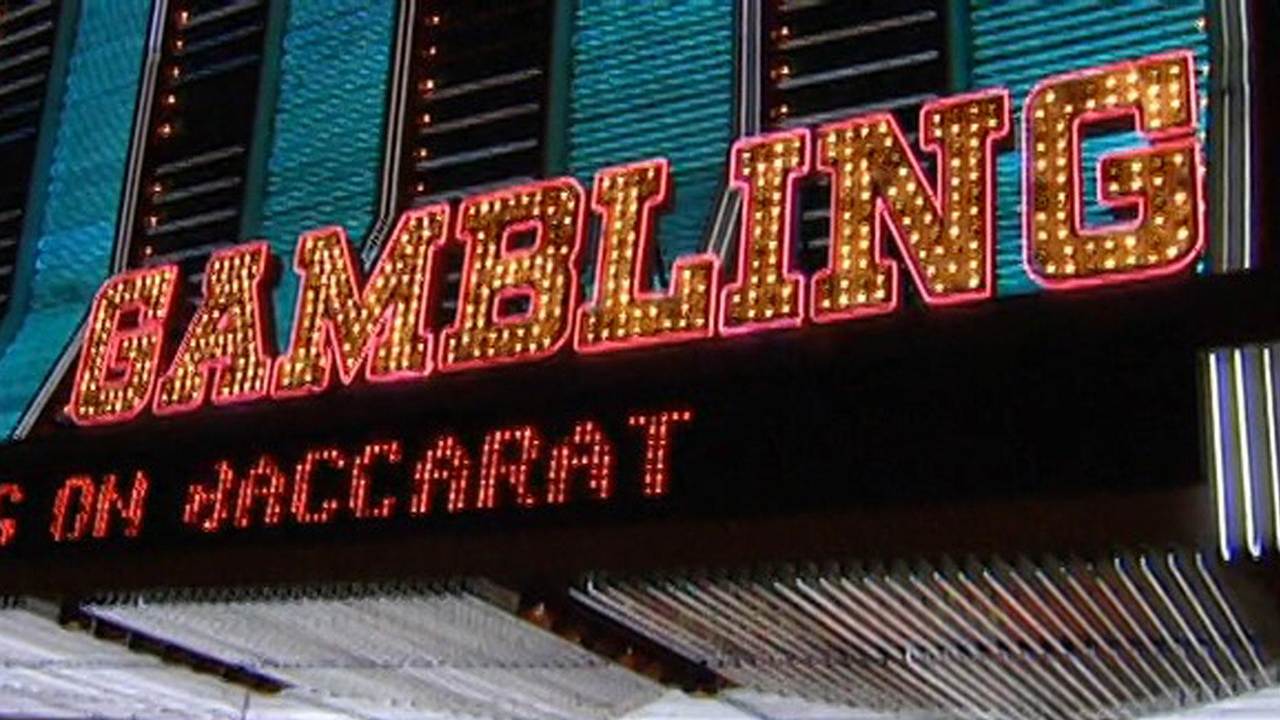
The Las Vegas scenes are full of neon, noise and round-the-clock tables. The camera lingers on signs and slot floors.
St. Paul, Alberta, gives the film its quiet side. The small-town calm makes the casino scenes feel even louder.
The film also shows the family slowly coming back together. The NFB says the once-fragmented family begins to find a new closeness. Guilt, sadness and shame give way to honest talk.
What is Thank You for Playing?
Thank You for Playing turns one of the gambling documentaries Canada’s NFB has released into a game. The 20-minute interactive project from the Toronto studio mixes a web game with three gamblers’ stories and interviews with scientists and academics.
Andréa Cohen-Boulakia directed it. Dominic Desjardins produced it. Priam Givord led the design and the interactive side, according to Playback.
The NFB released it on December 15. It plays in a web browser on the NFB website.
Among the gambling documentaries Canada has made, this one is unique. You do not only watch the subject. You take part in it.
How does the shell game in Thank You for Playing work?
Thank You for Playing, the most hands-on of the gambling documentaries Canada offers, opens with a digital shell game. Three icons appear and shuffle, and you have to find the heart. Each round gets faster and harder, while a narrator explains what the game is doing to you.
The narrator’s words, quoted by MediaShift, sum up the film: “Now you think you’re in control. But the game is programmed to let you win just often enough to condition your behavior.”
That effect is called positive reinforcement. Slot machines run on the same idea. A small win arrives just often enough to keep you pressing the button.
Between rounds, you pick one of three personal stories. One subject’s three-year-old daughter had been diagnosed with leukemia. The game lets you feel the pull these three people can no longer risk.
What did the makers of Thank You for Playing learn?
Andréa Cohen-Boulakia, who directed this entry in the gambling documentaries Canada’s NFB has funded, first planned a film about casinos targeting older people. After months of research across Canada, she found a stronger story: addiction often follows an emotional wound, rather than causing the first problem.
She told MediaShift: “When you’re in a place where you’re emotionally wounded, you’re much more vulnerable.” For most gambling addicts, the article says, addiction is the outcome, not the source.
The film also raises a paradox. In Canada, gambling revenue pays for infrastructure, health care and social services, and even for addiction treatment. Yet the film says more than 35% of that revenue comes from people with a gambling problem.
Cohen-Boulakia hopes schools will build stronger prevention programs. She also hopes viewers will ask themselves if they are prone to dependence.
What do the two NFB gambling films have in common?
Both NFB entries in the gambling documentaries Canada has produced treat addiction as an emotional wound, not a moral failure. Pieces of a Dream shows it through one family, and Thank You for Playing shows it through three strangers and a game.
Neither film blames the gambler. Both look for what came before the first bet.
Both come from the NFB, a public producer that sells no ad time. That gives them room to stay slow and personal.
Watch them back to back. One shows the cost after the fact, and the other shows the hook as it happens.
What did The Fifth Estate find in Gambling on Addiction?
Gambling on Addiction is the hardest-hitting of the gambling documentaries Canada’s CBC has aired: The Fifth Estate’s investigation into how Canadian governments rely on problem gamblers. It opens with one figure: Canadians spent about $13 billion in a year on legal, government-run gambling.
CBC put that number in context. It is more than Canadians spend on movies, hockey tickets and Tim Hortons combined.
The episode’s YouTube chapters show its path:
- Government reliance on gambling
- Inside the world of addiction
- Designing addictive machines
- The psychology of “winning”
- The self-exclusion program
- Casino revenue and addicts
- Jackpot disputes and secrets
The video has passed half a million views on The Fifth Estate’s YouTube channel. That reach makes it the easiest of the gambling documentaries Canada’s public broadcaster has made to find.
Why does the self-exclusion chapter matter?
The self-exclusion chapter gives the gambling documentaries Canada viewers watch a practical turn. Self-exclusion is a key tool provinces offer problem gamblers. You ask to be banned from casinos for a set time, and the venue agrees to keep you out.
The Fifth Estate places this chapter right after the machine design and “winning” chapters. The order tells a story. First the game pulls people in, then the system offers a way out.
The next chapter turns to casino revenue and addicts. It asks what share of the money comes from the people the system says it protects. The film leaves viewers to weigh that tension.
Online, the same idea applies. Licensed sites let you block your own account. Our page on setting gambling limits explains deposit caps and time-outs.
What does The Gamblification of Canada say about sports betting ads?
Of the gambling documentaries Canada’s CBC has aired, The Gamblification of Canada is the one about ads. The Fifth Estate looks at the sudden flood of sports betting ads in Ontario. It asks whether Canada’s rush into legal betting is a bad bet, and it compares Canada with the United Kingdom.
The CBC page lists it at 45 minutes and 20 seconds. On YouTube it carries the title “Sports betting in Canada: Are we making a bad gamble?”
The episode includes a betting ad with Wayne Gretzky. Ads with hockey stars sat at the centre of the debate. One YouTube viewer wrote that a teenage grandson tried to download a betting app after seeing them.
The UK angle is the core of the film. People there, where gambling ads were being scaled back, warned that Canada was making a bad bet. Later, Ontario’s regulator, the AGCO, banned athletes from online betting ads, except in responsible-gambling messages.
What is Swipe. Bet. Repeat. about?
Swipe. Bet. Repeat. brings the gambling documentaries Canada’s CBC has made into the app era. It is a 44-minute film about sports betting on a phone. CBC Gem describes the line between spectator and sports bettor as thinner than ever, with the thrill of a bet one tap away.
The film follows the path from rookie wagers to risky parlays. A parlay links two or more bets into one. Every leg has to win, so the payout is big and the odds are long.
A CBC clip from the film, “Since there’s been sport, there’s been gambling”, makes the main point. Online sportsbooks and betting apps make wagering more accessible than ever.
Like other gambling documentaries Canada’s CBC has made, it streams on CBC Gem, with closed captions and described video. You sign in with a CBC account to watch.
Which gambling documentaries Canada viewers watch focus on sports betting?
The gambling documentaries Canada viewers watch on sports betting are The Gamblification of Canada and Swipe. Bet. Repeat. from CBC. From the United States, Frontline’s The Fantasy Sports Gamble and Life on the Line add the American side.
Frontline made The Fantasy Sports Gamble with The New York Times. The hour-long film looks at how daily fantasy sports grew into a billion-dollar industry, and at the huge ad budgets of DraftKings and FanDuel.
Life on the Line runs 52 minutes. It goes inside the SuperBook at the Las Vegas Hotel before the Super Bowl, the biggest betting event of the year. Oddsmaker Jay Kornegay appears.
Now Place Your Bets traces legal sports betting in Las Vegas. It interviews oddsmakers, bookmakers, pro gamblers and journalists.
Why is Gambling, Gods and LSD different from other gambling documentaries Canada has made?
Gambling, Gods and LSD is different from other gambling documentaries Canada has made because it is an experimental film, not an investigation. Toronto director Peter Mettler spends three hours asking what people do to escape and to find happiness.
The film has four parts. Toronto comes first, with a man searching for God and a church whose members dance on the floor of an airport hangar.
The second part moves to the American Southwest. In Las Vegas, the camera watches gamblers at slot machines and poker tables. The third part visits Switzerland, including Albert Hofmann, the scientist who discovered LSD.
The last part is set in Bombay and Hampi in southern India. In this film, gambling is one escape among others, next to faith, drugs and ritual.
How did Peter Mettler make Gambling, Gods and LSD?
Among gambling documentaries Canada has produced, Gambling, Gods and LSD stands out as a one-man job. Wikipedia says Peter Mettler did the interviews, the camera work and the directing himself, spent close to two years on the road and used no retakes or multi-camera setups.
The film had no script. Mettler said it “was making itself while I acted as a medium”. He named four themes: transcendence, the denial of death, our relationship to nature and the illusion of safety.
He shot more than 50 hours of film plus hundreds of hours of video. Editing it down to three hours was, in his words, like “composing a piece of music”.
The title came from his list of peak experiences, addictions and escapes. Gambling earned its place on that list, and the film earned its place among the gambling documentaries Canada has produced.
What awards and reviews did Gambling, Gods and LSD get?
In the awards record of gambling documentaries Canada has produced, Gambling, Gods and LSD holds a Genie Award for Best Documentary from the Academy of Canadian Cinema & Television. It also won Best Documentary at Montreal’s Festival du nouveau cinéma. Reviews were split between praise and boredom.
In Take One, Stephen Lan called it “boldly unique”. Reviewing it at the Montreal festival, Donato Totaro compared it to Koyaanisqatsi and Baraka. Time Out found it “compelling, exhilarating, funny, imaginative and … wise”.
Not everyone agreed. A BBC reviewer called it “agonisingly tedious viewing”.
Plan for a long sitting. It is the most demanding of the gambling documentaries Canada has to offer, but also the most original.
What does Louis Theroux find in Las Vegas?
Louis Theroux: Gambling in Las Vegas is a BBC film, but it sits well beside the gambling documentaries Canada has made. Theroux follows high rollers, known as whales, and the casino hosts paid to keep them betting with suites, comps and flattery.
Theroux’s style is calm and curious. He asks simple questions and waits. People tell him more than they planned to.
The film shows the strange bond between a casino and its best customers. A host’s job is to be a friend, and the friendship has a business purpose.
Among the gambling documentaries Canada viewers already know, it pairs best with Gambling on Addiction. One shows the private casino business, the other shows the public one.
Which documentaries explain how slot machines hook players?
For slot design, the best companion to the gambling documentaries Canada has made is Ka-Ching! Pokie Nation. This Australian documentary explains lights, sounds, near misses and “losses disguised as wins”, where a spin pays back less than the bet but celebrates like a win.
Pokie is the Australian word for a slot machine. The film uses designers, researchers and players who lost homes and marriages.
Investigating Australia’s gambling addiction covers the same machines from another side. Australia loses more money per person to gambling than any other country, largely through pokies in pubs and clubs.
Among gambling documentaries Canada has made, The Fifth Estate’s chapter on “designing addictive machines” brings the topic home. The math under every spin comes from software, explained in our page on random number generators.
Which documentaries tell the story of online poker?
For online poker, the gambling documentaries Canada viewers watch come from the United States: All In: The Poker Movie and Bet Raise Fold: The Story of Online Poker. One covers the boom that followed Chris Moneymaker’s World Series win, and the other covers the crash after Black Friday.
Douglas Tirola directed All In. It treats poker as a cultural wave and does not hide the debt or the players who never walked away.
Ryan Firpo directed Bet Raise Fold. It follows young players who left school and day jobs to play poker on laptops.
Black Friday is the day the U.S. government seized the biggest poker sites and froze players’ money. Careers built on a laptop ended overnight. Our page on becoming a professional gambler covers the reality of playing for a living.
Which films follow professional sports bettors?
Three American titles add pro bettors to the gambling documentaries Canada viewers watch. They are The Best of It, The Legend of Jimmy the Greek and the 60 Minutes profile of Billy Walters. They show the skill, the swings and the cost of betting for a living.
The Best of It follows four Las Vegas pros through the NCAA basketball tournament. The highs and lows of March Madness drive the film.
The Legend of Jimmy the Greek is part of ESPN’s 30 for 30 series. Jimmy Snyder spent 12 years on The NFL Today before a single remark on air ended his TV career.
Lara Logan interviewed Billy Walters for 60 Minutes. He is often called the most successful gambler Las Vegas has seen, and he is a famously private man.
What is The Gambling Mafia and International Sports Betting?
The Gambling Mafia and International Sports Betting is a documentary on soccer match fixing. It adds organised crime to the gambling documentaries Canada viewers watch, showing how players, goalkeepers, referees and coaches are bribed.
The film follows crime rings in Asia, Europe and America. They reach every level of the game, from youth leagues to the Champions League.
Soccer is the most bet-on sport in the world, which makes it the biggest target. Fixers profit when they know a result before the market does.
The same risk exists in any sport with heavy betting. Ontario’s licensed sportsbooks take part in integrity monitoring that flags suspicious betting patterns.
What do Vegas Tunnels and Broke show about losses?
Vegas Tunnels and Broke extend the gambling documentaries Canada viewers watch to life after the losses. One goes into the flood tunnels under the Las Vegas Strip, and the other follows athletes who lost huge fortunes.
Vegas Tunnels finds a hidden community living in the dark below the casinos. Former gamblers make up a large share of it. Neon and jackpots sit just above their heads.
Broke is another 30 for 30 film, directed by Billy Corben. Gambling is one cause among others, next to bad investments and big spending.
Both films answer the same question. Where do people go when the money runs out? The answer is rarely in a casino ad.
What do these films teach about the house edge?
The gambling documentaries Canada viewers watch all point to the same lesson: the house edge wins over time. Every game is built to return less than it takes, and no system changes that over thousands of bets.
Thank You for Playing shows it with a programmed shell game. Ka-Ching! shows it inside the pokie. The Fifth Estate shows it in a provincial budget.
The pros in The Best of It and Bet Raise Fold do not beat the house. They beat other bettors or soft lines, and the films show big swings both ways.
Casino tables work the same way. Our page on baccarat card counting shows why counting does not beat that game.
Which warning signs do these documentaries show?
The warning signs in these gambling documentaries Canada audiences watch repeat from film to film: secrecy, borrowing, chasing losses, gambling to escape bad feelings and pulling away from family. Pieces of a Dream shows almost all of them.
- Secrecy: Phillip’s family learned his full story only after his death.
- Escape: the people in Thank You for Playing gambled to get away from personal pain.
- Isolation: the NFB describes Phillip’s “lonely spiral into desperation, isolation and depression”.
- Chasing: betting again to win back what you lost.
- Borrowed money: debt turns a loss into a crisis.
Any one of these signs is a reason to stop and talk to someone. Our page on avoiding gambling addiction lists practical steps.
How can you watch safely if gambling has been a struggle?
If gambling has been a struggle, watch the gambling documentaries Canada offers with a plan. Pick a time when you are calm, watch with someone you trust and skip the betting-app scenes if they trigger urges. Stop if a film pulls you toward a bet.
Pieces of a Dream and Thank You for Playing are the gentlest gambling documentaries Canada offers. They focus on people and recovery, not on wins.
The Fifth Estate episodes are calm and factual. They explain the system without dwelling on big jackpots.
Poker and sports betting films carry more risk. They show winners, and the winners look happy. Leave those for later.
Where can Canadians get help after watching?
After gambling documentaries Canada viewers find hard to watch, free and confidential help is close. Provincial services such as ConnexOntario in Ontario offer it. For anyone thinking about suicide, the 9-8-8 Suicide Crisis Helpline answers calls and texts at any hour, anywhere in Canada.
ConnexOntario connects Ontario residents to gambling, mental health and addiction services. Other provinces run their own help lines.
The 9-8-8 Suicide Crisis Helpline matters here because Pieces of a Dream ends in a suicide. If that film, or any of the gambling documentaries Canada has made, hits close to home, call or text 9-8-8.
Gambling is for adults only. Our page on the legal gambling age lists the minimum age in each province.
How do gambling documentaries Canada viewers watch compare with gambling movies?
Gambling documentaries Canada viewers watch show real people and real numbers, while gambling movies dramatise the win. A documentary ends with debt, recovery or a public cost. A movie usually ends at the big score.
The gambling documentaries Canada viewers watch also show the people who do not make it. Phillip Wong, the people in the tunnels and the athletes in Broke never get a movie ending.
Fiction has its place. It is entertainment, and it knows it.
Japanese animation goes even further with deadly games. See our page on gambling anime for Kakegurui and Kaiji.
Which gambling documentaries Canada viewers can stream at no cost?
The gambling documentaries Canada viewers can stream at no cost include Pieces of a Dream on the NFB’s YouTube channel and Gambling on Addiction on The Fifth Estate’s channel. The Gamblification of Canada is on YouTube too, under its sports betting title.
From abroad, Sports Betting Dime lists Frontline’s fantasy sports film and The Gambling Mafia as free on YouTube.
CBC Gem titles need a CBC account to sign in. Rentals and purchases on other services vary by country, so check before you pay.
Stick to official channels. Uploads by random accounts vanish without warning, and they cut the makers out.
Can teachers use gambling documentaries Canada has made in class?
Yes. Teachers can use the gambling documentaries Canada has made, and Thank You for Playing was built to educate. Its director told MediaShift she hopes schools build stronger prevention programs and that even kids will watch it.
Its 20-minute length fits inside a single class. The shell game gives students a direct feel for positive reinforcement.
Pieces of a Dream runs 48 minutes and suits older students. Its subject is suicide, so prepare the class and share the 9-8-8 line first.
The NFB also offers education resources for teachers on its website.
Which order works best for a first viewing?
For a first look at the gambling documentaries Canada has made, start with Pieces of a Dream, then play Thank You for Playing. Move on to the two Fifth Estate episodes, then Swipe. Bet. Repeat., and finish with the international films.
- Pieces of a Dream: the human cost, in 48 minutes.
- Thank You for Playing: how the hook works, in 20 minutes.
- Gambling on Addiction: who profits from the habit.
- The Gamblification of Canada: the betting ad boom.
- Swipe. Bet. Repeat.: betting on a phone.
- Louis Theroux and Ka-Ching! Pokie Nation: casinos and slot design abroad.
- Gambling, Gods and LSD: three hours, for a quiet evening.
This order takes the gambling documentaries Canada has made from one family to the whole country, then out to the world. By the end, the slot floor and the betting app will look very different.
1 thought on “Gambling Documentaries Canada: The Best Films on Casinos, Betting and Addiction”