
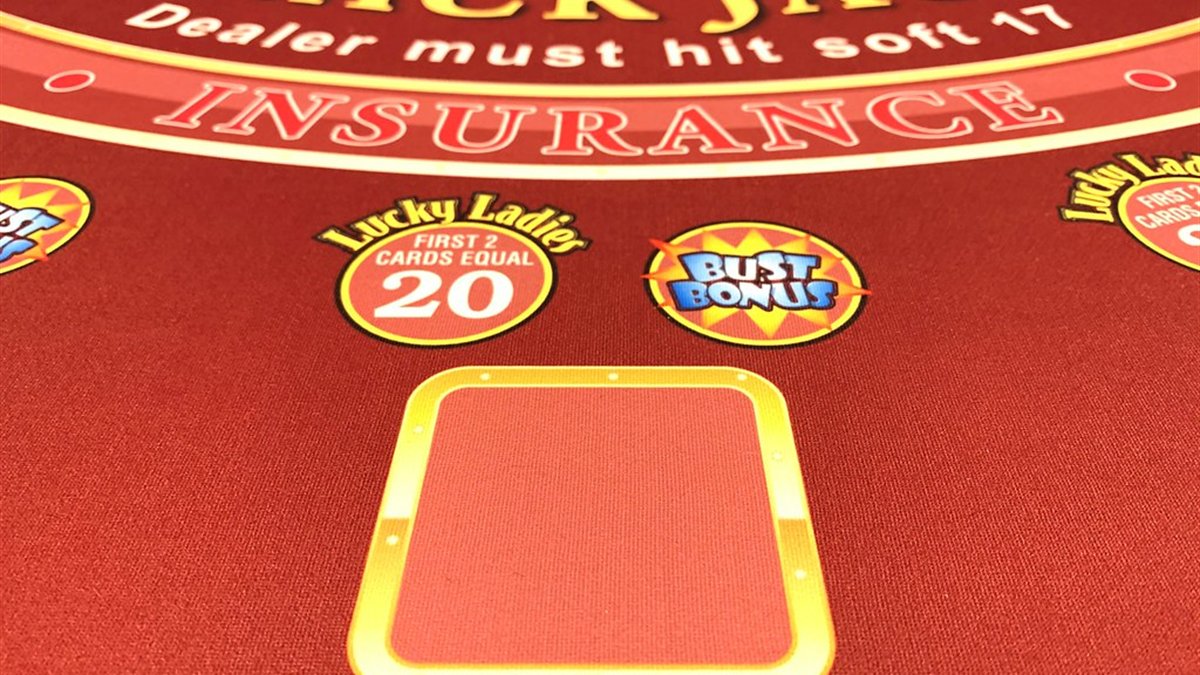
Live blackjack streams a real dealer at a real table to a Canadian player’s screen, replacing the random number generator with physical cards while keeping the betting interface, the limits and the payout rules of an online game. This page covers studios, seats, decision timers, shoe handling, side bets, the game variants built for streaming, strategy under a clock, connection requirements and how the game is treated for bonus wagering. For the wider market picture, start at our online Canada casinos hub.
The table below sets out how the game behaves at a Canadian-facing cashier. Read it first, then work through the detail beneath.
| Aspect | Live blackjack for a Canadian player |
|---|---|
| Cards | Physical, dealt by a human dealer on camera |
| Seats per table | Seven on classic tables, unlimited on the newer variants |
| Decision timer | Roughly ten to fifteen seconds per action |
| Typical house edge | About half a percent with correct play |
| Side bet house edge | Two to eight percent |
| Table limits | One dollar to several thousand per hand |
| Provincial availability | Offered at OLG, PlayNow, Loto-Québec and licensed Ontario sites |
| Bonus weighting | Commonly ten percent or excluded entirely |
| Connection needed | Around five megabits per second |
| Card counting | Impractical because of shuffle frequency |
What is live blackjack at a Canadian casino?
Live blackjack is a streamed card game in which a human dealer handles physical cards at a studio table while the player bets through an on-screen interface, with results determined by the cards rather than by software.
The format sits between the online and land-based experiences described on our live dealer casinos page. Cards are real, the dealer is real, and everything around them is a web interface.
Canadian players reach these tables through provincial sites and through offshore operators, and the studios supplying both are largely the same handful of companies.
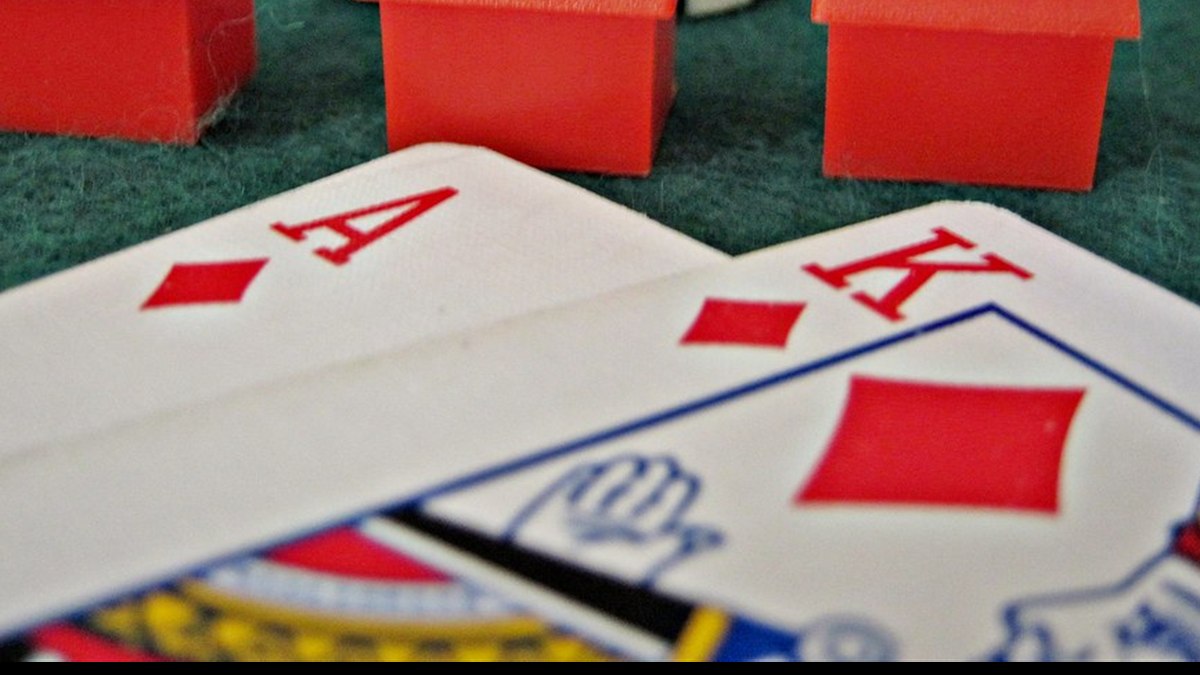
The appeal is verifiability. A player watching a card leave a shoe has evidence a random number generator cannot offer.
The cost is speed. A live blackjack hand takes considerably longer than a software hand.
The format arrived in Canada well after it established itself in Europe, and adoption accelerated once Ontario opened a regulated market that gave private operators a reason to invest in local studios.
Provincial lottery corporations added tables around the same period. A live blackjack table at a provincial site and one at a private operator frequently come from the same studio under different branding.
What differs between them is the account, the licensing and the recourse rather than the game on screen.
The distinction worth holding through the rest of this page is between the game and the operator. Cards behave identically everywhere, and the account holding the money does not.
A live blackjack table streams the same mathematics to a provincial player and an offshore one. What changes is who answers a complaint about a withdrawal.
Nothing about the streamed format changes the underlying rules of blackjack. A live blackjack hand follows the identical mathematics a player would meet at a table in Niagara Falls or on a phone screen.
Verifiability is the entire proposition, and the slower pace is the price attached to it.
How does a live blackjack table work?
A camera array films the dealer, the shoe and the table felt, optical character recognition reads each card as it lands, and the software matches those readings to the bets placed by every player at the table.
The dealer follows a fixed procedure. Bets close on a timer, cards deal from a shoe, players act in seat order, and the dealer plays the house hand under the posted rules without discretion.
Recognition technology is what makes the format work at scale. A live blackjack table serving hundreds of players simultaneously depends on the software reading cards accurately in real time.
Disputes are resolved from the recording. Every hand is filmed and stored, which gives an operator evidence a player can request.
Nothing about the process is hidden from the camera by design.
Three camera angles are standard: a wide shot of the table, a close view of the shoe and a card view showing values as they land. Players switch between them at will.
Latency between the physical deal and the on-screen result is a second or two at most. A live blackjack player sees the card at nearly the same moment the dealer does.
Game control staff monitor tables continuously and pause play when a card is misdealt or a chip lands incorrectly.
Optical recognition occasionally misreads a card and the software flags it for a human to resolve. Play pauses, the hand is corrected and the round continues.
Those interruptions are rare and visible when they happen. A live blackjack table pausing mid-round is following its own error procedure rather than malfunctioning.
Recordings are retained for a defined period at every licensed studio, which gives a live blackjack dispute an evidence trail no software game can produce.
Camera arrays, card recognition and human dealers together produce a game that leaves an audit trail behind every hand.
Which studios run live blackjack for Canadian players?
Evolution supplies the majority of tables reaching Canada, with Playtech and Pragmatic Play Live providing most of the remainder, and each operates studios that stream to operators under licence.
Studio location varies. Tables reaching Canadian players are streamed from facilities in Europe, from North American studios built for regulated markets, and occasionally from land-based casino floors.
Ontario’s regulated market pushed the larger providers to establish local operations. A live blackjack table served to an Ontario player frequently originates from a studio inside the province.
The provider matters more than the operator for game quality. Two casinos listing the same studio offer an identical table.
Recognising the provider name on a table tells a player what to expect.
Provider identity is visible in the table name at most operators. Names following a house convention rather than a studio one usually indicate a white label of a larger provider.
Table quality tracks the provider rather than the casino. A live blackjack table from a major studio streams identically whether it appears at a provincial site or an offshore one.
Smaller providers exist and generally serve niche markets with fewer tables and narrower limits.
Studio choice affects table variety more than anything else. A large provider offers a dozen variants and a small one offers two or three.
Checking which provider supplies a live blackjack lobby predicts what a player will find in it.
Naming the provider on the table tile is standard practice at regulated operators and inconsistent offshore. A live blackjack lobby hiding provider names is worth treating cautiously.
Two or three companies supply almost everything a Canadian player will encounter across every operator.
Where can Canadians play live blackjack legally?
Provincial operators offer the game to residents of their own provinces, Ontario’s regulated market licenses private operators to do the same, and offshore sites accept players from everywhere without provincial oversight.
OLG serves Ontario, PlayNow serves British Columbia and Manitoba, Loto-Québec serves Quebec and Atlantic Lottery serves the eastern provinces. Each carries live blackjack among its live dealer tables.
Ontario additionally licenses private operators through its own regulator, which produces a competitive market unavailable elsewhere in the country.
Offshore sites accept Canadians everywhere and answer to foreign licensing authorities rather than to any Canadian body.
The legal position for the player is unchanged in every case, and the recourse available differs enormously.
Ontario is the only province with a competitive regulated market, which gives players there a genuine choice of licensed operators rather than a single lottery corporation.
Elsewhere the provincial site is the only domestically regulated option. A live blackjack player outside Ontario chooses between one regulated operator and the offshore market.
Our Ontario online gambling laws page covers how that market works in practice.
Nothing in Canadian law penalises a player for choosing an offshore operator. The regulation applies to who may offer the game rather than to who may play it.
What a player gives up offshore is recourse. A live blackjack dispute at a provincial site reaches a Canadian body and one offshore does not.
Regulated operators publish dispute procedures and offshore operators publish terms. A live blackjack player choosing between them is choosing between those two documents.
Ontario players hold a genuine choice of licensed operators and everybody else chooses between one lottery corporation and the offshore market.
What are the live blackjack table limits in Canada?
Tables run from about one dollar a hand to several thousand, and a single operator typically offers four or five limit tiers so a bankroll of any size finds a seat.
Low limit tables start between one and five dollars and fill quickly during evening hours. Mid tier tables sit between ten and a hundred, which covers most recreational play.
High limit and salon privé tables run from several hundred to several thousand a hand. A live blackjack table at that level frequently offers a private dealer and no other players.
Limits are posted on the table tile before joining rather than after. Reading them prevents an unpleasant surprise on the first hand.
Bankroll sizing against the table minimum matters more than the game itself.
Minimum bets rise during peak hours at part of the market because demand allows it. A table listed at five dollars in the afternoon occasionally reads ten in the evening.
Maximums cap a single hand rather than a session. A live blackjack player wanting more exposure takes a second seat rather than a larger bet.
Salon tables require an account balance threshold at the larger operators before they appear in the lobby at all.
Sizing the bankroll at forty to fifty times the table minimum gives a session enough room to survive ordinary variance.
A live blackjack player sitting at a table with twenty minimum bets in reserve is likely to end the session early.
Table tiles display the minimum and maximum before a player joins, which makes matching a live blackjack table to a bankroll a five second decision.
Four or five limit tiers at a single operator cover bankrolls from a few dollars to a few thousand per hand.
How many seats does a live blackjack table have?
A classic table seats seven players, and popular tables fill during peak Canadian evening hours, which is why the newer variants were designed to remove the seat limit entirely.
Seat scarcity was the format’s original constraint. A studio table serving seven people at a time cannot serve a thousand concurrent players.
Bet behind solved part of the problem by letting extra players wager on a seated player’s hand. The live blackjack outcome is decided by somebody else’s decisions.
Unlimited seat variants solved the rest by dealing a single common hand to every participant.
Both approaches trade control for availability, and each suits a different player.
Seat availability follows Canadian time zones closely. Tables fill between seven and eleven in the evening across the eastern provinces and empty afterwards.
Playing outside those hours removes the problem entirely. A live blackjack seat is almost always available before dinner or after midnight.
Operators add tables during peak periods where the provider supports it, which smooths the worst of the scarcity.
Bet behind is available at most seated tables and lets a player wager without waiting. The seated player makes every decision.
Anybody uncomfortable with that arrangement has the unlimited seat variants instead, where a live blackjack hand belongs to the player alone.
Waiting lists exist at busy tables and release seats in order. A live blackjack player joining one during peak hours waits minutes rather than hours.
Seven seats, bet behind, or an unlimited variant are the three ways a Canadian player gets into a game at peak hours.
What is Infinite Blackjack?
Infinite Blackjack deals one player hand and one dealer hand to an unlimited number of participants at once, with each player then making their own hit, stand and double decisions from the same starting cards.
The design removes waiting entirely. A table never fills, a seat is never taken, and a live blackjack session can begin the moment a player opens it.
Six card charlie is included at most tables, paying automatically when a hand reaches six cards without busting. That rule slightly improves the player position.
Side bets are integrated more heavily here than on classic tables, which is how the studio monetises a format with no seat scarcity.
Anybody who dislikes waiting for a seat has an obvious answer in this variant.
Every participant plays the same starting hand and diverges through their own decisions, which produces a table where a thousand people can hold different final totals from identical cards.
The dealer plays one hand against all of them. A live blackjack outcome in this format is therefore common to everybody who reached the same total.
Chat volume is heavier here than on seated tables because participation is unlimited.
Six card charlie is worth knowing about because it changes strategy slightly on marginal hands. Drawing to a sixth card wins automatically.
That rule appears on most unlimited seat live blackjack tables and rarely on classic seated ones.
The format suits somebody who wants to sit down immediately at any hour. A live blackjack table with unlimited seats never turns anybody away.
One player hand, one dealer hand and unlimited participants making their own decisions from identical cards.
What is the decision timer on a live blackjack table?
Players receive roughly ten to fifteen seconds to act on each decision, and a timer that expires stands the hand automatically rather than folding it or forfeiting the bet.
The clock exists to keep the table moving for everybody. Seven players deliberating without limit would produce a game nobody wanted to join.
Automatic standing is the default action and it is occasionally wrong. A live blackjack hand of twelve against a dealer seven should hit, and a lapsed timer stands it instead.
Knowing basic strategy in advance is therefore worth more here than at a physical table where nobody is counting seconds.
Pre-decision buttons on the newer tables let a player queue an action before the cards arrive.
Timers pause during dealer action and resume when the turn returns to the player. The clock runs only while a decision is genuinely outstanding.
Repeated timeouts result in removal from the seat at most tables. A live blackjack player who leaves a device unattended loses the seat to somebody waiting.
Auto-stand on timeout is the standard behaviour and the interface warns before it triggers.
Pre-decision controls appear on the newer tables and let a player set an action before the cards arrive. The interface applies it automatically when the turn comes.
That feature suits a live blackjack player following a chart strictly and removes timer pressure entirely.
Learning the chart before playing removes timer pressure entirely, because a live blackjack decision then takes a second rather than ten.
Ten to fifteen seconds per action, with the hand standing automatically when the clock runs out.
How is the shoe shuffled in live blackjack?
Most tables use eight decks in a shoe with a cut card placed around halfway, and the shoe is replaced or shuffled well before it runs low enough to give an observant player any advantage.
Continuous shuffling machines appear on the newer tables and remove the concept of a shoe entirely. Cards return to the machine after every hand.
Penetration is the term for how deep into a shoe the dealer goes before shuffling. A live blackjack table with shallow penetration is deliberately designed to defeat counting.
Physical shuffling on camera happens on tables without machines and takes a minute or two.
Neither approach changes the mathematics of a single hand.
Shoe changes are performed on camera with the cards spread and inspected. The procedure is deliberately visible because visibility is the format’s entire selling point.
Card washing and machine shuffling both appear depending on the studio. A live blackjack table using a machine shuffles between every hand rather than at a cut card.
Neither method affects the odds on any individual hand a player faces.
Shoe changes take a minute or two on tables without machines. Play stops and the dealer performs the procedure on camera.
Players occasionally use that interval to leave a live blackjack table and rejoin later rather than waiting through it.
Penetration depth is rarely published and consistently shallow. A live blackjack shoe is cut long before the composition tells a player anything useful.
Eight decks, a cut card around the halfway point, and a replacement shoe long before the composition matters.
What is the house edge on live blackjack?
Blackjack played with correct basic strategy carries a house edge around half a percent, which makes it one of the lowest margin games available at any Canadian casino, live or otherwise.
Rules shift that figure. A table paying three to two on a natural is better than one paying six to five, and dealer standing on soft seventeen is better than dealer hitting it.
Reading the rules on the table tile before sitting is the single highest value habit in the game. Two live blackjack tables at the same operator can differ by half a percent on rules alone.
Deviation from basic strategy adds far more edge than any rule variation removes.
The theoretical figure assumes correct play on every hand rather than most of them.
Six to five payouts on a natural are the single most expensive rule a table can carry, adding roughly one and a third percent to the house edge on their own.
Avoiding those tables costs nothing. A live blackjack lobby usually contains both variants and the tile states which applies before joining.
Doubling restrictions, resplitting rules and surrender availability each move the figure by smaller amounts in either direction.
Surrender availability is worth looking for and appears rarely on streamed tables. It reduces the edge slightly on a handful of hands.
Its absence is one reason a live blackjack table rarely matches the best land-based rules exactly.
Reading the tile takes five seconds and identifies the expensive tables immediately. A live blackjack table paying six to five is the one to leave in the lobby.
Half a percent with correct play on good rules, and considerably more on a table paying six to five.
Which side bets appear on live blackjack tables?
Perfect Pairs and 21+3 appear on nearly every table, with Hot 3, Bust It and Any Pair showing up on specific variants, and all of them carry a house edge far higher than the main game.
Perfect Pairs pays on the player’s first two cards matching. 21+3 pays on the player’s two cards and the dealer upcard forming a poker hand.
The margins are the point. A live blackjack main bet costs half a percent and a side bet costs between two and eight percent of every dollar staked on it.
Studios include them because they lift table revenue substantially without changing the core game.
Declining every side bet is the mathematically correct default.
Side bet payouts look attractive precisely because their probabilities are low. A perfect pair paying twenty-five to one occurs rarely enough to justify that price and no more.
Studios place them prominently in the interface for the same reason. A live blackjack table earns several times more per dollar on side bets than on the main game.
Players treating them as an occasional flutter rather than a standing bet limit the damage considerably.
Declining every side bet is the correct default and also the least popular advice on this page. Players enjoy them for reasons unrelated to expected value.
Anybody taking them anyway benefits from sizing them far below the live blackjack main bet.
Side bet margins fund the studio and the operator together. A live blackjack player declining them plays the low margin game the format is known for.
Perfect Pairs and 21+3 on nearly every table, at a house edge between two and eight percent.
What is Lightning Blackjack?
Lightning Blackjack applies random multipliers to winning hands in exchange for a mandatory fee added to every bet, which raises the variance considerably and worsens the house edge against the main game.
The fee is the mechanism. Each hand costs the base stake plus a lightning fee, and winning hands receive a multiplier drawn at random afterwards.
Players enjoy the format for the same reason they enjoy slots. A live blackjack hand paying a large multiplier feels different from one paying even money.
The arithmetic is unambiguous. The fee costs more across a session than the multipliers return on average.
Treating it as entertainment rather than as value is the honest framing.
The multiplier is drawn after a winning hand and applies only to that hand. Losing hands lose the stake and the fee together.
Card values accumulate multipliers across a session at certain tables. A live blackjack hand later in a session can pay considerably more than an identical hand earlier.
The format borrows its structure from the game show tables covered on our live game shows page.
The fee is typically equal to the base bet, which doubles the cost of every hand before any multiplier applies.
A live blackjack player choosing this format is paying for variance rather than for value, and knowing that is the whole of the analysis.
Variance rather than value is the product. A live blackjack player who understands that is buying entertainment knowingly rather than losing an argument with arithmetic.
A mandatory fee on every hand buys random multipliers on the hands that win.
What is Free Bet Blackjack?
Free Bet Blackjack lets a player double and split without staking additional money on qualifying hands, compensating the house by pushing all bets when the dealer reaches exactly twenty-two.
The free doubles apply on hard nine, ten and eleven. Free splits apply on every pair except tens.
The dealer push on twenty-two is what pays for it. A live blackjack hand of twenty that would have beaten a dealer bust instead ties, which happens often enough to matter.
Basic strategy changes meaningfully under these rules and the standard chart is no longer correct.
Using the variant-specific chart is essential rather than optional.
Free splits and doubles are marked in the interface with a distinct chip so a player always knows which stake is theirs and which is the house contribution.
Winnings on free portions pay normally. A live blackjack hand doubled for free and won pays as though the player had staked the additional amount themselves.
The dealer twenty-two push is the compensating rule and it triggers more often than newcomers expect.
The variant suits aggressive play because doubling and splitting cost nothing on qualifying hands. Correct strategy doubles far more often than the classic chart does.
A live blackjack player using the standard chart here leaves free value untaken on almost every session.
The variant chart is published widely and differs from the classic one on a large number of hands. A live blackjack player using the right chart plays it correctly.
Free doubles on nine, ten and eleven, free splits on every pair except tens, and a dealer push on twenty-two.
What is Power Blackjack?
Power Blackjack removes all nines and tens from the shoe, offers doubling and tripling and quadrupling on any two cards, and pushes on a dealer twenty-two in the same way as the free bet variant.
Removing cards changes everything about the composition. Fewer ten-value cards means fewer naturals and fewer dealer busts, which shifts the correct play on a large number of hands.
The enhanced doubling compensates. A live blackjack player quadrupling on a favourable hand recovers part of what the stripped shoe took away.
The house edge lands slightly above the classic game despite the additional options.
It rewards a player who learns the specific chart and punishes one applying the standard one.
Removing thirty-two cards from an eight deck shoe changes the composition substantially. Naturals become rarer, dealer busts become rarer and totals cluster differently.
The enhanced doubling exists to compensate for that. A live blackjack player quadrupling a favourable hand recovers part of what the stripped shoe removed.
Playing it with a standard chart costs considerably more than the rule differences suggest.
Quadrupling is the headline feature and applies on any two cards rather than on specific totals. That flexibility is unusual across the format.
A live blackjack table offering it compensates through the stripped shoe and the dealer push rule together.
Stripped shoes and enhanced doubling together produce a house edge slightly above the classic game. A live blackjack player choosing it is paying for the options.
All nines and tens removed, doubling through quadrupling on any two cards, and the same dealer push on twenty-two.
Can you count cards at a live blackjack table?
Counting is theoretically possible and practically useless, because shallow shoe penetration, frequent shuffling and continuous shuffling machines remove the deep count that makes the technique profitable.
The technique depends on betting large when the remaining shoe favours the player. That situation arises only late in a shoe that is dealt deeply.
Studios shuffle far earlier than a land-based casino does. A live blackjack shoe cut at fifty percent never reaches the counts that matter.
Operators also monitor bet patterns and restrict accounts showing counting behaviour, which is permitted under their terms.
Learning basic strategy returns more than any counting attempt at these tables.
Software also tracks bet spread patterns automatically. Sharp increases correlated with shoe depth are exactly what an operator watches for.
Restricting an account for counting is permitted under the terms of every operator. A live blackjack player attempting it risks losing the account rather than facing anything more serious.
The technique remains viable in land-based rooms with deep penetration and nowhere online.
Basic strategy returns almost all of the theoretical value available in the game. Counting adds a fraction of a percent under ideal conditions that never occur here.
Spending an afternoon on the chart improves a live blackjack result more than any amount of counting practice.
Operators restrict rather than prosecute, and their terms permit it. A live blackjack account flagged for bet spreading is closed rather than pursued.
Shallow penetration and frequent shuffling remove the deep count the technique depends on entirely.
What basic strategy applies to live blackjack?
The standard chart for eight decks with the dealer standing on soft seventeen applies to classic tables, and each variant described above requires its own chart because the rules genuinely differ.
Basic strategy is a lookup table rather than a judgement. Every combination of player hand and dealer upcard has one correct action, computed exhaustively.
Keeping the chart open during a live blackjack session is permitted and sensible. The decision timer makes speed matter, and a chart answers faster than memory does at first.
Deviations cost more than most players expect. Standing on sixteen against a dealer ten feels safer and loses money over time.
Memorising the chart takes an afternoon and pays for years.
Charts differ by deck count and by dealer soft seventeen rule, and using the wrong one costs a measurable amount over a session.
Checking which rules a table uses before opening a chart is therefore the first step. A live blackjack table states both on the tile.
Insurance is never correct without a count, which makes declining it the simplest rule a beginner can adopt.
Charts are freely available and printing one beside the screen is entirely permitted. No operator objects and none could detect it.
A live blackjack player following a chart correctly plays at the theoretical edge rather than somewhere above it.
Insurance is the one bet a beginner can decline permanently without any further thought. A live blackjack player taking it is paying the house a premium every time.
One correct action exists for every combination of player hand and dealer upcard, and the chart lists all of them.
Does live blackjack work on mobile?
Every current table streams to mobile browsers and apps with an interface redesigned for portrait orientation, and the video quality adjusts automatically to the available connection.
Mobile is now the majority of play at most operators. Studios design tables with that in mind, placing controls where a thumb reaches them.
Portrait mode shows the dealer above the betting area. Landscape mode shows the full table and suits a live blackjack session where more than one seat matters.
Data consumption is substantial because the game is a continuous video stream. An hour of play uses a meaningful share of a mobile plan.
Playing on wifi rather than cellular avoids that cost entirely.
Interface differences between devices are cosmetic rather than functional. Every action available on a desktop is available on a phone.
Battery consumption is heavy because the screen and the network both run continuously. A live blackjack session drains a phone considerably faster than slots do.
Tablets sit between the two and suit players who want the full table view without a desk.
Landscape orientation shows the whole table and portrait shows the dealer with a compact betting area. Both are fully functional.
Switching between them mid-session is supported at every current live blackjack table.
Streaming continuously consumes real data. A live blackjack session on cellular is worth watching against a monthly allowance.
Portrait and landscape both work fully, and battery and data consumption are the real costs.
What internet speed does live blackjack need?
A stable connection of around five megabits per second carries the stream comfortably, and stability matters considerably more than raw speed because a dropped frame during a decision window costs a hand.
The software degrades gracefully. A weakening connection drops video quality before it drops the connection, which keeps a live blackjack hand playable at lower resolution.
A dropped connection mid-hand does not void the bet. The house plays the hand under basic rules and settles it, with the result visible in the account history afterwards.
Wired connections outperform wifi for consistency rather than speed.
Testing the connection before a session with a large bankroll is worth the minute.
Video quality settings are adjustable manually at most tables. Dropping to a lower resolution deliberately produces a more reliable stream on a weak connection.
Audio can be muted without affecting play. A live blackjack table remains fully functional with the dealer audio off.
Mobile data on a strong signal handles the stream adequately at lower quality settings.
A dropped connection settles the hand under house rules and records the result. Nothing is lost beyond the ability to make the decisions.
Reviewing the account history afterwards shows exactly how a live blackjack hand was resolved during a disconnection.
Stability beats bandwidth on this format. A live blackjack stream on a steady connection at low quality plays better than a fast unstable one.
Around five megabits per second, with stability mattering considerably more than the headline figure.
How do bonuses treat live blackjack wagering?
Most bonus terms weight the game at ten percent or exclude it entirely, because a half percent house edge makes it unprofitable for an operator to release bonus funds through it.
Ten percent weighting means a hundred dollars wagered counts as ten toward a requirement. A live blackjack player clearing a thirty-five times bonus that way faces an enormous amount of turnover.
Exclusion is more honest and increasingly common. A term stating the game contributes nothing at least tells the player before they start.
Maximum bet rules during wagering apply here as everywhere and void bonuses when breached.
Depositing without a bonus is frequently the better choice for a blackjack player.
Reading the weighting table before accepting an offer is the whole of the protection available. Every operator publishes it and almost nobody opens it.
An offer excluding the game entirely is clearer than one weighting it at ten percent. A live blackjack player under exclusion at least knows the bonus is irrelevant to them.
Live dealer specific promotions exist at part of the market and carry terms written for the format.
Depositing without accepting a bonus removes wagering, maximum bet rules and game weighting in a single decision.
That option suits a live blackjack player better than almost any offer an operator publishes.
Weighting tables are published and rarely read. A live blackjack player opening one before accepting an offer knows immediately whether the bonus is worth taking.
Ten percent weighting or outright exclusion is the norm across almost every set of terms.
What is the etiquette at a live blackjack table?
Acting within the timer, keeping chat civil and avoiding advice to other players covers nearly everything, and dealers enforce the chat rules by muting anybody who ignores them.
Chat is moderated because dealers work in a studio and are employees rather than performers. Abuse results in a chat ban and occasionally an account restriction.
Telling another player how to play their hand is the commonest irritation at a live blackjack table. Decisions belong to the seat holder alone.
Tipping is supported at most tables and entirely optional.
Nothing about the etiquette differs from a land-based table beyond the medium.
Dealers respond to chat where studio policy allows and ignore it where it does not. Neither behaviour indicates anything about the table.
Language settings determine which dealer a player reaches at multilingual operators. A live blackjack table streamed in French serves Quebec players specifically at the bilingual operators.
Leaving a seat between hands rather than mid-hand is the one courtesy that genuinely affects others.
Dealers are employees rather than performers and studio policy governs how they respond. Treating them accordingly avoids the only real problem at these tables.
Chat bans at a live blackjack table are applied by the studio rather than by the casino.
Advice offered to another seat is the one habit dealers and players both dislike. A live blackjack decision belongs to the person who placed the bet.
Act inside the timer, keep the chat civil and leave other seats to make their own decisions.
How does live blackjack compare with RNG blackjack?
The software version deals faster, costs less per hour, runs at lower minimums and offers no dealer, and the streamed version offers verifiable physical cards and a social table at a slower pace.
Hands per hour is the largest practical difference. A software table plays hundreds and a live blackjack table plays perhaps sixty.
Slower play reduces total exposure at the same house edge. An hour of streamed play costs less in expectation than an hour of software play at identical stakes.
Our how to play blackjack page covers the rules and strategy that apply to both formats identically.
Preference rather than mathematics decides which suits a given player.
Minimum stakes favour software tables heavily. A random number generator game runs from ten cents and a streamed table rarely starts below a dollar.
Bonus weighting also favours software in most terms, although both are usually weighted down relative to slots.
What a live blackjack table offers instead is a physical deal nobody has to take on trust.
Cost per hour rather than house edge is the number that separates them. Fewer hands at the same edge means less money at risk.
A live blackjack session is therefore cheaper per hour than a software session at identical stakes.
Hands per hour rather than house edge separates the two formats. A live blackjack table exposes a bankroll to fewer decisions in the same time.
Sixty hands an hour against several hundred, at the same house edge and a higher minimum stake.
Who is live blackjack right for?
The format suits a player who values a visible physical deal, enjoys a slower session and knows basic strategy well enough to act inside a ten second window without hesitating.
Somebody chasing volume is better served by software tables. Sixty hands an hour frustrates a player used to hundreds.
Somebody clearing a bonus is better served by slots. Weighting makes a live blackjack session an inefficient route through any wagering requirement.
Somebody who distrusts random number generators finds exactly the reassurance they wanted.
Matching the format to the motive avoids most disappointment.
Session length matters more than most players consider. Sixty hands an hour means a two hour session is a hundred and twenty decisions rather than hundreds.
That pace suits somebody treating the game as an evening rather than as volume. A live blackjack session rewards patience and punishes impatience.
Players who find the wait tedious have a faster alternative one click away.
Somebody who enjoys the dealer, the pace and the visible deal has found the right format. Somebody who wants volume has not.
Being honest about which applies saves a live blackjack player an evening of mild frustration.
Pace is the deciding factor for most players. Anybody who finds sixty hands an hour relaxing has found the right game.
A player who wants a visible deal, a dealer and an unhurried evening rather than volume.
Which checks come before a first live blackjack session?
Four checks settle it: the operator’s licensing, the table rules on naturals and soft seventeen, the posted limits against your bankroll, and the bonus weighting if a bonus is active on the account.
Licensing decides recourse. A provincial operator answers to a Canadian regulator and an offshore one answers to a foreign authority, which is the largest difference between two sites offering identical tables.
Table rules decide the house edge and vary between tables at the same operator. A live blackjack table paying six to five costs roughly one and a half percent more than one paying three to two.
Limits decide how long a bankroll lasts and appear on the tile before joining.
Running those four checks takes two minutes and improves every session that follows.
Recording the answers once removes any need to repeat the exercise at the same operator. Rules and limits stay stable for long periods.
Only a lobby change invalidates the record. A live blackjack table replaced by a new one from a different provider needs checking again.
Two minutes spent reading tiles beats any amount of strategy applied to a badly chosen table.
Doing the checks in order takes two minutes and improves every session afterwards. Licensing, rules, limits and weighting cover everything.
A live blackjack table failing the rules check deserves the lobby search continuing rather than the benefit of the doubt.
Licensing, rules, limits and weighting cover the whole preparation. A live blackjack session starting after those four checks starts on the right table.
Two minutes of reading tiles and terms decides whether a session starts well or badly.
The checklist is short because the game itself is simple and well understood. Cards deal, decisions follow a chart, and the edge stays low as long as the rules are read and the side bets declined. Anybody who does those two things is playing one of the best value games a Canadian casino offers in any format.