
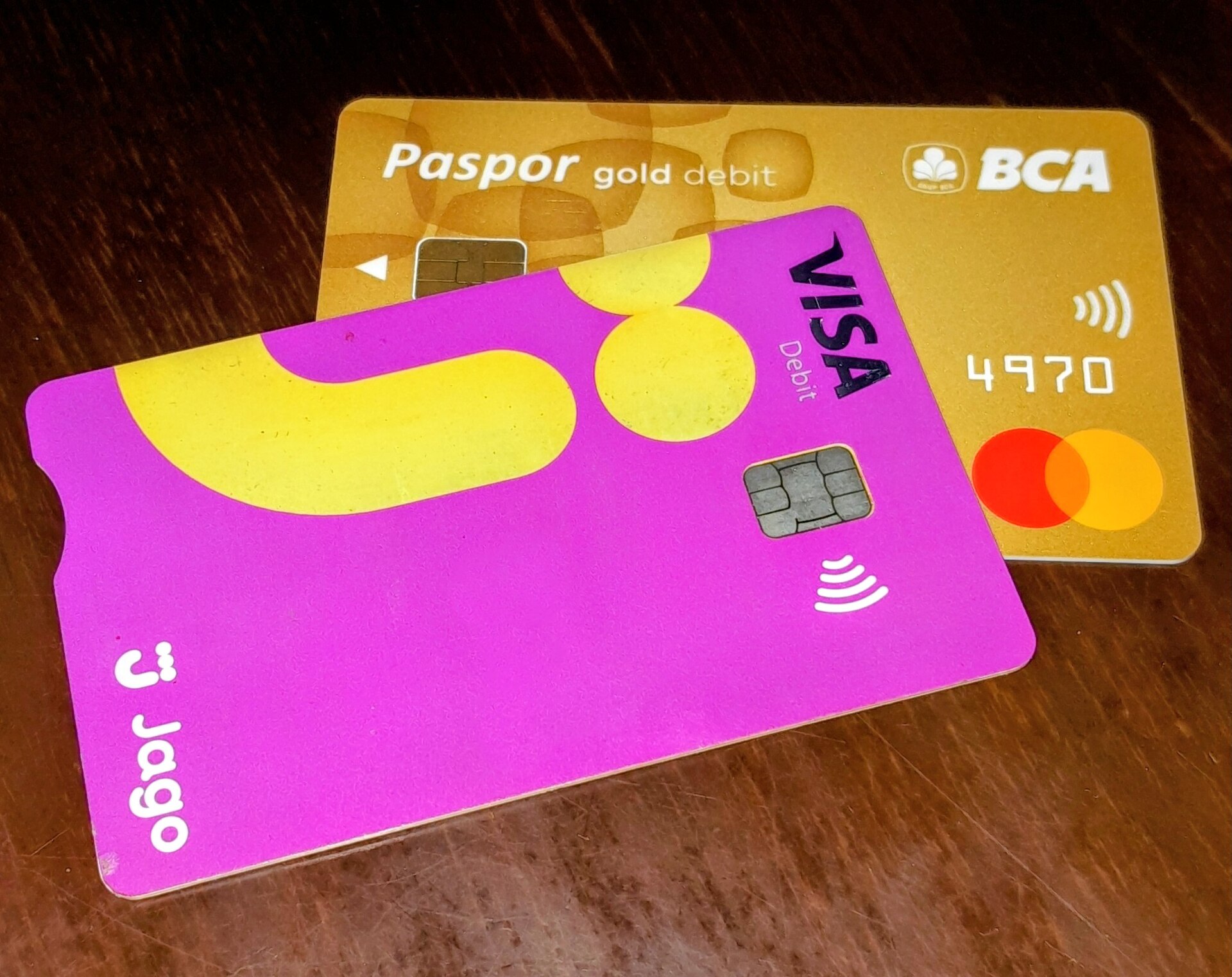
A debit card casino deposit spends money the player already holds, arrives instantly and avoids every cash advance charge a credit card can attract, which makes it the cheapest card route available to a Canadian player. This guide covers the difference between Visa Debit and Interac Online, which Canadian banks permit gambling transactions, why payouts rarely return to the card and where the method fails. For the wider market picture, start at our online Canada casinos hub.
The table below compares the debit routes a Canadian player meets. Read it first, then work through the detail beneath.
| Route | How it works | Deposits | Withdrawals | Availability |
|---|---|---|---|---|
| Visa Debit | Card number entered like a credit card | Instant | Sometimes, as a refund | Most Canadian banks |
| Debit Mastercard | Card number entered like a credit card | Instant | Sometimes, as a refund | Fewer Canadian issuers |
| Interac Online | Bank login at the point of payment | Instant | No | Selected banks |
| Interac e-Transfer | Transfer by email reference | Instant to minutes | Yes | All major banks |
| Prepaid debit | Card number entered, funds preloaded | Instant where accepted | Rarely | Frequently declined |
What is a debit card casino deposit?
A debit card casino deposit draws directly on a chequing account, so the money leaving is money the player already holds rather than credit borrowed from an issuer.
That is the defining difference from a credit card. No debt is created, no interest accrues and no cash advance treatment applies.
The transaction itself looks identical at the cashier. Card number, expiry, security code and billing address entered the same way.

What differs is where the money comes from and what a loss leaves behind. A losing session on debit ends with a smaller balance rather than a statement.
Canadian debit works differently from debit in many other countries, which is the source of most confusion around a debit card casino payment here.
Our comparison of casino payment methods covers the full range, and this page covers the debit routes in detail.
The account behind the card is the whole product. Everything a debit card does at a cashier is authorise a withdrawal from a chequing account, and everything that can go wrong with it traces back to that account or to the bank policy governing it.
Understanding it that way explains the limits, the declines and the refund behaviour without needing to know anything about card networks. A debit card casino deposit is a bank withdrawal wearing a card number.
It is worth naming what the method does not do, because two assumptions cause most disappointment. It does not provide anonymity, and it does not handle withdrawals reliably.
Both are structural rather than operator-specific. A debit card casino deposit is recorded by the bank in full and travels in one direction with only a capped refund route back.
Everything else about it is favourable, which makes those two limits worth knowing before they are discovered at the wrong moment.
Three properties define the method and none of them concern the card itself. The money is already yours, it leaves immediately, and the bank records the transaction in full.
Every advantage and every limitation described further down this page follows from one of those three.
Holding them in mind makes the rest of a debit card casino guide predictable rather than a list of unrelated facts to memorise.
Comparing the method against how most Canadians already pay for things makes it intuitive. The card used for groceries is the card used at the cashier, and the account behind it is the same account.
Nothing new is opened, funded or registered, which is a genuine advantage over wallets and cryptocurrency and one that costs nothing to obtain.
New players frequently arrive at this topic having read that cards are the standard way to fund a casino account, which is true internationally and only partly true in Canada.
The Canadian qualification is the whole reason this page exists separately from a general card guide. Domestic debit was not built for online payments, and the workaround arrived later as scheme-branded products layered on top.
A debit card casino deposit in Canada therefore depends on which product a bank happened to issue rather than on whether the player holds a debit card at all.
Readers arriving from a search for the best Canadian casino payment method will find this page reaches a slightly different conclusion from the marketing they have probably read elsewhere. Cards are promoted heavily because they are profitable to process and universally understood, not because they are the best route available to a Canadian player.
The bank transfer beats them on payouts, the voucher beats them on separation, and the wallet beats them on data exposure. What the card wins on is acceptance, and at an operator supporting nothing else that advantage is decisive.
A short summary before the detail begins, for readers who want the answer without the reasoning. A debit card casino deposit works if the card carries a Visa or Mastercard logo and the bank permits gambling, costs nothing, arrives instantly, spends money already in the account, and will almost certainly not be the route winnings travel back along. Everything else on this page expands one of those five points.
Why is Canadian debit different from other countries?
Canada built its own domestic debit network rather than relying solely on the card schemes, which means a Canadian debit card frequently cannot be used online the way a European or British one can.
The domestic network was designed for in-person payments. Online commerce arrived later and was handled through separate products.
Visa Debit and Debit Mastercard were the answer. Those products carry a card number and work online like a credit card while drawing on a chequing account.
Interac Online was the other answer and takes a different approach entirely, authenticating through the bank rather than through a card number.
A player holding a plain domestic debit card with no scheme branding cannot make a debit card casino deposit with it online at all.
Checking the front of the card for a Visa or Mastercard logo settles which situation applies in a second.
British and European players are used to debit cards working online exactly like credit cards, because their domestic debit is issued on the card schemes by default.
Canada layered scheme functionality onto a domestic network built first, which is why a Canadian card can work in every shop in the country and fail at a debit card casino cashier without the holder understanding why.
The practical consequence is that guides written for other markets mislead Canadian readers on this specific point. Advice assuming any debit card works online is simply wrong here.
Canadian players reading international payment guides should treat the debit section with suspicion and check their own card face instead.
That one check settles whether a debit card casino deposit is available to them at all, and no amount of general advice substitutes for it.
The domestic network was genuinely ahead of its time for in-person payments, which is part of why the online gap persisted so long.
Canadians adopted chip and PIN and tap earlier than several larger markets while online debit lagged.
That history explains why a debit card casino deposit can feel unexpectedly difficult in a country where paying by debit in a shop has been effortless for decades.
Payment infrastructure decisions made decades ago still shape what a Canadian player can do at a cashier today, which is unusual among the topics on this site.
The practical takeaway is narrow and useful: check the card face, because a Canadian debit card casino deposit depends on a logo rather than on anything the player can configure.
The domestic network processes payments between Canadian banks directly and was designed around a physical terminal and a PIN.
Card schemes were designed around a number that can be read aloud or typed, which is what makes them work on the internet.
That single design difference is why a debit card casino deposit needs a scheme logo on the card, and why the domestic mark alone is not enough.
None of this history is the player fault or within their control, which is worth saying plainly to anybody who has spent an evening trying to work out why a perfectly good card keeps failing.
The card either carries the functionality or it does not, and no setting, no retry and no different operator changes that answer.
The short version for anybody who does not care about payment history: Canada built an excellent in-person debit system and a late online one, and the online capability arrived as a scheme-branded layer that not every card carries. That is the entire explanation for why a debit card casino deposit fails for some Canadians and works for others holding what looks like the same product.
One consequence of this history is that Canadian players reading international casino guides encounter advice that is confidently wrong for their situation. Guides written for British or European audiences describe debit as universally usable online because it is, in those markets. A Canadian reader following that advice with a domestic-only card will experience repeated failures and find nothing in the guide explaining why, which is the specific gap this section exists to close.
What is the difference between Visa Debit and Interac Online?
Visa Debit uses a card number entered at the cashier and behaves like a credit card to the merchant, while Interac Online redirects to your bank and authorises the payment inside online banking.
The distinction matters at the operator end. A Visa Debit payment is processed through the card scheme and an Interac Online payment through the domestic network.
Acceptance differs accordingly. Offshore operators accept card numbers far more readily than they support the Canadian bank redirect.
Refunds also differ. A card payment can be refunded to the card and a bank redirect cannot be reversed that way.
Bank participation is narrower for Interac Online than for e-Transfer, and some institutions support none of the three online debit routes.
For most Canadian players the practical debit card casino option is Visa Debit, with Interac e-Transfer handling the money coming back.
The authentication model is the clearest way to tell them apart in use. One asks for a card number and one sends you to your bank.
That difference decides everything downstream, including whether a refund is possible and whether an offshore operator supports the route at all for a debit card casino payment.
Interac Online has been contracting rather than expanding, with fewer participating banks than at its peak and fewer merchants supporting it.
Visa Debit has moved the other way, becoming the default online debit route for Canadians.
Anybody planning a debit card casino deposit today should expect the card route to be available and the bank redirect not to be.
A third label appears at some cashiers and belongs to neither category. Instant bank transfer products authenticate through open banking rather than through either Canadian route.
They behave like Interac Online from the player perspective and are processed differently behind it.
Where one appears alongside a debit card casino option, the card route is usually the better supported of the two.
Refund capability is the difference that matters most on a winning session and is the one least discussed.
A card payment can be reversed to the card and a bank redirect cannot, which is why a debit card casino deposit through Visa Debit at least offers a partial payout route where Interac Online offers none.
From a security standpoint the bank redirect is the stronger model, because no card number is shared with anybody.
From an availability standpoint the card is far stronger, because offshore operators support card numbers universally and the Canadian redirect rarely.
Most players end up trading the security advantage for the availability one, which makes a debit card casino deposit through Visa Debit the realistic route.
Anyone unsure which route a cashier is offering can tell from what happens after clicking. A form asking for a card number is one, and a redirect to a bank login page is the other.
That distinction takes two seconds to observe and determines whether a refund back to the source is even theoretically possible later.
For most practical purposes a player can ignore the distinction and simply use whichever route the cashier presents. The reason it is covered here at all is that the two behave differently at the payout stage, and a player who understands which one funded the deposit knows immediately whether a refund to source is even a possibility.
Which Canadian banks issue Visa Debit?
Most major Canadian banks issue debit cards carrying Visa Debit functionality, a smaller number issue Debit Mastercard, and some credit unions issue neither in a form usable online.
The functionality is usually included rather than optional. A card issued in recent years commonly carries it whether or not the holder knows.
Checking the card face is the fastest test. A Visa or Mastercard logo alongside the domestic network mark indicates online capability.
Online banking also confirms it. Card details pages state which networks a card supports.
Where the card carries no scheme logo, a debit card casino deposit is impossible and a bank transfer is the alternative.
Our guide to Interac casinos covers that route, which every Canadian bank supports.
Card replacement cycles matter here. An older card issued before a bank adopted scheme functionality may lack it while a newer card from the same bank has it.
Requesting a replacement is free at most institutions and is the fix where an existing card cannot make a debit card casino deposit online.
Online-only banks and newer digital institutions generally issue cards with full scheme functionality, since their customers have no branch alternative.
Traditional institutions vary more, particularly on older accounts and basic packages.
Where an account carries no usable card, opening a second chequing account at a digital bank solves it and takes minutes, which restores a debit card casino option without changing anything else.
Joint accounts sometimes issue cards with different capabilities to each holder, which produces the confusing situation of one card working and another failing on the same account.
Checking each card face individually resolves it.
Where only one card supports a debit card casino deposit, using that card is simpler than requesting a replacement for the other.
Business chequing accounts frequently issue cards without online scheme functionality or with gambling explicitly excluded.
Anybody attempting a debit card casino deposit from a business account should expect it to fail and should use a personal account instead.
Bank websites list card features on the product pages rather than in the account terms, which is where to look before calling.
The feature is usually named explicitly as online or e-commerce capability.
Confirming it there takes a minute and settles whether a debit card casino deposit is possible before any account is opened at an operator.
Replacement cards typically arrive within a week or two and cost nothing at most institutions, which makes requesting one a reasonable step for a player who intends to fund an account regularly.
It is worth doing before opening the casino account rather than after, so that verification and funding can happen in one sitting.
The single most useful thing on this page for a player whose deposits keep failing is to physically look at the card. A domestic network mark alone means online payments are unavailable regardless of bank, balance or operator, and no amount of troubleshooting at the cashier will change that. A replacement card with scheme branding resolves it permanently.
It is worth adding that a card lacking the functionality is not defective or inferior in any other respect. It works in every shop, at every ATM and for every in-person purchase exactly as a scheme-branded card does. The limitation appears only for online and telephone payments, which is a narrow context that happens to include every casino cashier a debit card casino player will encounter.
Do Canadian banks allow gambling on debit?
Most Canadian banks permit gambling transactions on debit cards, and a minority block the merchant category entirely, applying the same policy they apply to credit.
Debit blocks are less common than credit blocks. The consumer protection argument behind restricting credit does not apply to spending existing funds.
Policies still vary and change. A card working today can decline next quarter without notice.
The decline message names no reason, which makes the cause invisible from the cashier.
Testing with a small debit card casino deposit establishes it definitively for a specific card and bank.
Where a block exists, no cashier setting overrides it and another method is the answer.
The asymmetry between credit and debit policy is worth understanding rather than assuming. Banks restrict credit gambling for consumer protection reasons that do not apply when a customer spends their own balance.
That reasoning is why a debit card casino deposit succeeds at several banks where the same customer credit card is declined.
Blocks that do exist are frequently applied at the account level rather than the card level, which means a replacement card will not resolve them.
Asking the bank directly whether a block is in place saves ordering a card that will behave identically.
Where a bank has blocked the category, a debit card casino deposit is unavailable from that institution and another bank or another method is the answer.
Policy is easier to establish on debit than on credit because fewer institutions restrict it and the ones that do tend to be consistent.
A single test deposit gives a definitive answer that holds until the bank changes policy.
That certainty is worth having before a session rather than during one, and it costs whatever the minimum debit card casino deposit happens to be.
Blocks are more common at institutions with a strong consumer protection posture and at credit unions serving particular communities.
None of that is published, which is why the test deposit remains the only reliable method of establishing whether a debit card casino payment will clear at a given bank.
Where a bank does block gambling on debit, the block is typically applied to the merchant category across all its cards rather than to individual customers.
Nothing a customer does resolves it, and no card replacement or limit change helps.
Moving the gambling funding to a second institution is the only fix, and it restores a debit card casino option without disturbing the primary banking relationship.
Bank staff at a branch or on a phone line can usually answer the policy question directly, and the answer is definitive rather than a matter of interpretation.
Asking whether merchant category 7995 is permitted on the card is the precise form of the question, and it saves a conversation about what the transaction is for.
Worth stating for balance: most Canadian banks do permit these transactions, and a debit card casino deposit succeeds for the large majority of players who hold a scheme-branded card. The blocks described here affect a minority, and this section exists so that the minority can identify their situation quickly rather than assuming the operator is at fault.
For anybody who does hit a bank block, the practical route forward is worth spelling out rather than leaving as a dead end. Opening a second chequing account at a different institution takes under an hour at most Canadian digital banks, costs nothing on a basic package, and issues a card with full online functionality. Funding that account deliberately and using its card at the cashier restores the method entirely while leaving the primary banking relationship untouched.
How does a debit card deposit work?
Enter the card number, expiry, security code and billing address at the cashier, complete any bank verification prompt, and the funds leave the chequing account immediately.
Verification is common on Canadian debit cards. A code by text or an approval in the banking app confirms the payment.
The money leaves the account at once rather than settling later. Debit has no equivalent of a credit card statement cycle.
That immediacy is the method’s main behavioural advantage. The balance visible in the account is the balance that remains.
Saving the card at the operator is possible and worth avoiding, since a stored debit card exposes a live account rather than a credit line.
A wallet removes that exposure while funding the same debit card casino deposit through the identical account.
Funds leave immediately rather than being authorised and settled later, which is the opposite of how a credit card transaction behaves.
That immediacy means a failed or duplicated debit card casino deposit removes real money at once, which is why confirming the balance before retrying matters more here than on credit.
Pending entries can appear briefly before settling, which occasionally makes a balance look lower than expected for a short period.
That is normal behaviour rather than a duplicate charge.
Waiting for the entry to settle before assuming a debit card casino deposit failed prevents a second payment that genuinely would duplicate it.
Three-D Secure applies to debit exactly as it does to credit at Canadian banks that use it.
The prompt arrives by text or in the banking app and has to be completed within a short window.
Missing it cancels the debit card casino deposit cleanly rather than leaving money in transit, which is the better failure mode.
The billing address field trips up more deposits than any other single input on the form.
It has to match what the bank holds rather than where the player currently lives, and an outdated address on file is a common cause of a failed debit card casino deposit that looks like a policy block.
The security code on the back is required for online payments and is not required in person, which occasionally confuses players used to tapping.
Cards without a printed code cannot be used online at all.
That is another Canadian quirk worth checking before assuming a debit card casino deposit will go through on a card that works everywhere in person.
Autofill in a browser occasionally inserts an old card or an outdated expiry date, which produces a decline that looks like a bank refusal.
Typing the details manually on a first deposit rules that out, and the browser can be corrected afterwards for subsequent sessions.
The whole sequence takes under a minute once the details are to hand, and it is identical at every operator a Canadian player will encounter. That consistency is genuinely useful, because a player who has funded one account by card can fund any other without learning a new process or setting anything up in advance.
Players comparing this against the wallet routes covered elsewhere on the site will notice the flow is longer by a few seconds and requires the physical card to hand. That is the entire practical difference, and it disappears once a wallet is configured with the same card. The money, the account and the bank policy are identical whichever way the card is presented at the cashier.
Can you withdraw winnings to a debit card?
Some operators refund winnings to a Visa Debit card and many do not, and where the route exists it is capped at the original deposit and takes three to five business days.
Anything above the deposit travels by another method. Interac or a bank transfer carries the excess.
Interac Online cannot receive payouts at all. It is a deposit mechanism with no reverse direction.
Most Canadian-facing operators default to paying by e-Transfer regardless of how the deposit arrived.
Setting that route up at registration avoids delay, because a first payout after a debit card casino deposit still requires a verified destination.
Our guide to fast payout casinos covers how the withdrawal timeline actually works once a payout is approved.
Operator policy rather than network capability usually decides this. The refund route exists technically and many operators simply do not offer it.
Reading the banking page for withdrawal methods before funding a debit card casino account establishes what will actually happen when a payout is requested.
The refund cap means a winning player is always dealing with two payment routes rather than one.
Planning for that at registration removes the friction entirely, because both destinations are verified before either is needed.
A debit card casino account configured that way pays out as smoothly as any bank-funded one.
Refund processing is handled by the card scheme rather than the operator, which is why the timing cannot be accelerated by the casino.
An operator approving a payout promptly still waits on the settlement cycle.
That fixed delay is the main reason most Canadian-facing sites pay winnings by transfer rather than back to the debit card casino deposit source.
Where an operator does support card refunds, the amount is matched against specific deposits rather than against the account total.
A player who deposited across several cards receives refunds split accordingly, which makes using one card for a debit card casino account simpler at the payout stage.
The one-way nature of most card funding is the single biggest structural difference between cards and bank transfers in a Canadian cashier.
Wallets share it, vouchers share it, and only the bank routes and cryptocurrency move money in both directions.
Planning around that at registration rather than at withdrawal is the recurring advice on every payment page here, and a debit card casino account is no exception.
The practical planning point is simple enough to state in one line: assume winnings will arrive by bank transfer regardless of how the deposit was made.
Every Canadian-facing operator supports that route, and building the expectation around it means no surprise at the point a payout is requested.
This is the section most worth remembering from the whole page. Card funding is close to one-directional in practice, every Canadian-facing operator pays by bank transfer instead, and a player who verifies that destination on the day they register will never experience the delay that catches out people who leave it until a balance is waiting.
There is one scenario where the refund route genuinely helps and it is worth naming. A player who deposits and then decides not to play at all can request the deposit back, and where the operator supports card refunds that money returns to the source without needing a verified bank destination. That is a narrow case and the only one in which the refund path is the faster option.
What does a debit card deposit cost?
Casinos rarely charge for debit deposits and banks rarely charge for the transaction itself, which makes this the cheapest card route available to a Canadian player.
No cash advance fee applies. That charge belongs to credit cards and has no debit equivalent.
No interest accrues, because nothing is borrowed. The money left the account and the transaction is complete.
Overdraft is the exception worth naming. A deposit exceeding the balance can trigger overdraft interest and a fee where the account permits it.
Foreign transaction fees apply where the operator processes in another currency, exactly as they would on credit.
A debit card casino deposit at a Canadian dollar operator from an account in credit therefore costs nothing at all.
Comparing total cost across the card methods produces a short answer. Debit costs nothing in the ordinary case and credit costs a fee plus interest wherever the cash advance coding applies.
That gap is the single strongest argument for a debit card casino deposit over the credit alternative sitting in the same wallet.
Account fees are the only charge worth checking and they belong to the account rather than to the transaction.
A package with a limited number of free transactions can charge for one beyond that count.
That charge is small and applies to every debit purchase equally, so it is not specific to a debit card casino deposit in any meaningful sense.
Comparing against a wallet or a voucher shows debit at parity rather than ahead, since neither of those charges the player either.
The cost advantage exists specifically against credit.
Against every other Canadian route a debit card casino deposit is simply free rather than cheaper, which is a distinction worth keeping accurate.
Currency is the cost worth checking rather than fees, since almost nothing else applies.
An operator holding balances in another currency converts twice, and choosing a Canadian dollar site removes that from a debit card casino deposit entirely.
Setting the cost against the alternatives gives a short table in words: debit free, credit potentially expensive, wallets free, vouchers free, crypto a network fee.
Nothing about the card route is cheap in a way the others are not.
What a debit card casino deposit avoids is specifically the credit card cash advance charge, which is the only meaningful fee in the Canadian cashier.
Comparing costs across a year of regular play rather than per deposit makes the difference between the methods clearer.
Weekly deposits on a card carrying no fee cost nothing across a year, and the same schedule on a credit card attracting a cash advance charge accumulates into a meaningful sum before any gambling outcome is counted.
To state it as plainly as possible: for a Canadian player with a funded chequing account depositing at an operator holding Canadian dollars, this method costs zero. No deposit fee, no withdrawal fee, no interest, no conversion and no advance charge. That is not true of the credit card sitting beside it in the same wallet.
What limits apply to debit card deposits?
Two ceilings apply: the casino’s per-transaction maximum and the bank’s daily purchase limit on the card, which is usually the binding one.
Daily limits on Canadian debit cards commonly sit between one and three thousand dollars depending on the account.
They are adjustable on request. Online banking settings or a call raises them within a day at most institutions.
The account balance is the hard ceiling regardless. Debit cannot spend money that is not there unless overdraft protection is active.
That constraint is a feature rather than a limitation for most players.
It is the reason a debit card casino deposit cannot produce debt the way a credit deposit can.
Purchase limits and withdrawal limits are separate settings at most Canadian banks, and only the purchase limit governs an online card payment.
Players who raised their ATM limit and still hit a ceiling on a debit card casino deposit are usually looking at the wrong setting in online banking.
Some banks apply a lower online limit than an in-person one, which surprises players who spend larger amounts in shops without difficulty.
The online figure is the one that governs a cashier payment.
Checking it specifically rather than assuming the in-store limit applies prevents a declined debit card casino deposit on a well-funded account.
Weekly and monthly caps exist alongside daily ones at several institutions and bind less often.
A player depositing modestly will never encounter them.
A player funding a larger bankroll across a week should check all three before assuming a debit card casino route can carry the total.
Temporary limit increases are available at most banks for a defined period, which suits a player funding a larger bankroll once rather than permanently raising exposure.
Requesting one before a debit card casino deposit is cleaner than splitting the payment across days and risking a promotional qualification.
The interaction between an operator maximum and a bank limit occasionally produces a confusing message, since the cashier reports its own rules rather than the bank ones.
A deposit under the site maximum can still fail at the bank ceiling.
Checking both before funding avoids attributing a debit card casino decline to the operator when the bank refused it.
A useful habit for anybody funding regularly is to note the daily limit alongside the operator maximum in the same place.
Both figures are stable, both are quick to look up once, and having them written down prevents the mid-session discovery that neither number was what was assumed.
The account balance being the real ceiling is the point worth internalising rather than the specific limit figures, which vary by institution and change on request. A debit card casino deposit cannot exceed what the account holds, and that constraint is the method most valuable property for anybody who has ever regretted the size of a deposit.
Anybody funding a larger bankroll should be aware that repeatedly hitting a daily ceiling and depositing across consecutive days can itself attract attention from a bank fraud system. The pattern resembles account takeover behaviour. Requesting a temporary limit increase and making one larger debit card casino deposit is cleaner than several smaller ones spread across a week.
Is a debit card safe for casino payments?
Debit carries the same fraud protections as credit under the card schemes and exposes a live bank account rather than a credit line, which changes the consequences of a breach.
Zero liability policies apply to Visa Debit and Debit Mastercard for unauthorised use.
The recovery experience differs. Fraud on credit reverses a charge, and fraud on debit removes money that has to be returned to the account.
That difference matters where rent or bills depend on the balance in the meantime.
A wallet or a virtual card number reduces the exposure without changing the funding source.
Our guide to Google Pay casino deposits covers that tokenised route for players wanting debit funding without exposing the card.
Using a secondary account is the practical mitigation and costs nothing at most Canadian banks. A separate chequing account funded deliberately limits what any breach can reach.
That arrangement gives a debit card casino deposit the containment a voucher provides while keeping the convenience of a card.
Card scheme protections are the same on both products, and the practical difference is timing rather than coverage.
Credit reverses a charge that was never paid, and debit returns money that has already left.
That timing gap is the strongest argument for using a secondary account for a debit card casino deposit rather than a primary one holding rent money.
Notification settings turn a debit card into a monitored instrument at no cost.
Alerts on every transaction surface an unauthorised charge within seconds rather than at month end.
Enabling them on the account used for a debit card casino deposit is a two-minute change that materially shortens fraud exposure.
The account holding the card matters more than the card itself for risk purposes.
A dedicated account funded deliberately turns a debit card casino deposit into a contained transaction, and a primary account holding a salary makes the same transaction a larger exposure than it needs to be.
Card details entered at a cashier are transmitted to a payment processor rather than stored by the casino in most modern integrations.
Older integrations do store them, and the difference is invisible to the player.
Assuming the worse case and declining to save the card is the safe default for any debit card casino deposit, since the downside of not saving it is ten seconds of typing.
The security question splits into two that are worth separating: whether the payment can be intercepted, and whether the money is safe once it arrives.
The card handles the first well through scheme protections and 3-D Secure, and answers the second not at all, which is decided entirely by the operator licence.
Balancing the security discussion honestly: this is a safe payment method used at an operator that may or may not be safe, and the second half is the part that decides whether money is at risk. A player choosing a licensed operator and using any reasonable payment route is in a good position, and one choosing an unlicensed operator is not, whatever card they used.
One additional precaution costs nothing and closes most of the remaining exposure. Where a bank offers a virtual card number tied to the same account, using it for a debit card casino deposit means the physical card details never reach the operator at all. Not every Canadian institution offers them, and where they exist they combine the containment of a wallet with the acceptance of an ordinary card number.
Does a debit card deposit show on a bank statement?
Yes, and it appears among ordinary purchases rather than under a separate heading, usually showing a payment processor’s name rather than the casino brand.
That is a difference from credit, where cash advance entries are separated deliberately.
The descriptor still identifies the transaction to anybody reading carefully.
Joint account holders see it in full, because the bank records it identically for everyone with access.
Players wanting genuine separation need a cash-funded route rather than any card or bank rail.
Our guide to Paysafecard casino deposits covers that alternative, which leaves no gambling entry at all.
Debit entries sit among groceries and utilities rather than in a separate section, which makes them less conspicuous than credit card cash advances.
Less conspicuous is not hidden, and anybody assuming a debit card casino deposit is invisible on a shared statement is mistaken.
Transaction descriptors on debit are set by the same processors that handle card payments generally.
A neutral company name is common and reflects the acquirer rather than any attempt at discretion.
Anyone hoping a debit card casino deposit will read as an ordinary retail purchase should assume the opposite and plan accordingly.
Frequency rather than any individual entry is what makes a pattern visible to anybody reviewing statements.
One transaction blends in and twenty do not.
Players for whom that matters should think about the pattern rather than the descriptor, because no debit card casino deposit hides the aggregate.
Statements are also read by lenders during mortgage and credit applications, which is the context where visibility carries real consequences.
A pattern of debit card casino deposits is legible to an underwriter, and no descriptor or method choice within the banking system changes that.
Descriptors occasionally change between deposits at the same operator when a processor is switched.
An unfamiliar entry can therefore be a legitimate transaction rather than fraud.
Checking the amount and date against the casino transaction history resolves it before a debit card casino deposit is reported as unauthorised by mistake.
Downloading statements periodically and reviewing them is a reasonable habit for any player, and not only for privacy reasons.
Seeing the monthly total in one place is the most accurate record of what gambling actually costs, and it is more reliable than any recollection of individual sessions.
Nothing in the banking system offers privacy from a bank, and this page has repeated that point on purpose because the assumption otherwise is common. A debit card casino deposit is recorded, dated, described and retained, and the only Canadian route that avoids that entirely involves buying a voucher with cash at a shop counter.
For completeness, the same is true of every regulated payment route in the country, and it is a feature of the banking system rather than of gambling specifically. Rent, groceries and utilities are recorded identically. The reason it comes up on this page at all is that players frequently arrive expecting a payment method to offer discretion, and only one method in a Canadian cashier actually does.
Why do debit card casino deposits get declined?
Six causes cover almost every refusal: the card carries no online scheme functionality, the bank blocks gambling, the daily limit is reached, the balance is insufficient, the address does not match, or verification timed out.
The missing scheme logo is the cause unique to Canadian debit and the one players least expect.
Daily limits reset overnight, which makes a decline at the end of a spending day resolve itself by morning.
Insufficient balance produces the same generic message as a policy block, which makes the two easy to confuse.
Checking the balance and the card face before contacting support resolves most cases in under a minute.
Where a debit card casino deposit fails on a funded card with a scheme logo, the bank policy is the remaining explanation.
The order of checks matters because two causes are free to rule out. Look at the card face and the account balance before anything else.
Those two account for a large share of failed debit card casino payments and neither requires contacting a bank to diagnose.
Retrying immediately after a decline is the most common mistake and occasionally produces two successful payments where the first appeared to fail.
Checking the account balance before any retry establishes whether the first attempt actually went through.
That single habit prevents the only genuinely costly error a debit card casino deposit can produce.
Newly issued cards occasionally require activation for online use separately from in-person use at some banks.
A first online transaction failing on a brand new card is frequently this rather than any policy.
Completing activation resolves it and restores a debit card casino deposit immediately.
Fraud systems occasionally decline a first transaction with an unfamiliar merchant even where policy permits it.
Approving the prompt or confirming with the bank clears the flag, and a second debit card casino deposit to the same operator usually succeeds without difficulty.
Contactless and online transaction permissions are separate settings in some banking apps, and disabling one does not disable the other.
A customer who previously turned off online purchases for security may have forgotten.
Checking that toggle is worth doing before concluding the bank blocks gambling, since it produces an identical debit card casino failure for an entirely different reason.
Support desks at operators can usually see whether a payment attempt reached them at all, which distinguishes a bank-side refusal from a cashier problem.
One message giving the time, the amount and the last four digits produces a specific answer within a day and saves guessing.
Assembling the causes into a diagnostic order gives a sequence that resolves most cases in under two minutes. Look at the card face, check the balance, check the daily limit, confirm the billing address, confirm online payments are enabled, then consider bank policy. Only the last requires contacting anybody, and it is the least common of the six.
Do bonuses work with debit card deposits?
Debit deposits qualify for promotions at effectively every operator, because they carry no chargeback risk beyond an ordinary card payment and no unusual processing cost.
Excluded method clauses name e-wallets far more often than any card product.
Minimum qualifying deposits apply as normal and are unaffected by the funding route.
Wagering terms are identical whatever paid for the deposit.
The advantage over credit is that no fee reduces the value of the offer before it is claimed.
Our guide to casino bonus codes covers how to price an offer before accepting it.
The absence of a deposit fee is what makes debit the better funding route for promotional play specifically.
An offer taken on a debit card casino deposit is worth its full stated value, where the same offer on credit is reduced by whatever the cash advance charge removed.
Some operators run method-specific promotions favouring particular payment routes, and those occasionally include bank and debit options.
Where such an offer exists it is stated in the promotion terms rather than at the cashier.
Reading them before funding means a debit card casino deposit can occasionally capture an offer a wallet deposit would not qualify for.
Qualifying deposits sometimes have to arrive as a single transaction rather than as several smaller ones.
Daily card limits can force a split that breaks that requirement.
Checking the offer minimum against the card limit before claiming avoids a debit card casino deposit that satisfies the cashier and fails the promotion.
Nothing about the method reduces the value of an offer, which is the practical contrast with credit.
A hundred dollar bonus claimed on a debit card casino deposit is worth a hundred dollars less the wagering cost, with no fee subtracted before the calculation even starts.
Promotional terms are written around deposit amounts and timing rather than around payment methods in most cases.
Where a method restriction exists it is stated in a single line naming the excluded routes.
Reading that line takes seconds and is the only interaction a debit card casino deposit has with the promotional terms.
Where a player intends to claim a welcome package spread across several deposits, the daily card limit becomes relevant in a way it otherwise is not.
Checking that the full package can be funded within the limits before starting avoids stalling halfway through a staged offer.
The practical summary is that this method interacts with promotions about as simply as any method can. It qualifies almost everywhere, it carries no fee to subtract from the offer value, and the only thing to watch is whether a daily card limit forces a staged deposit where a single one was required.
A final note on promotions that applies regardless of method. The funding route affects eligibility and never affects the wagering requirement, the maximum bet rule, the game weighting or the expiry window. Those four decide what an offer is worth, and a player choosing between a debit card casino deposit and any other route is choosing between identical bonus terms.
How does debit compare with a credit card?
Debit spends existing funds and credit borrows, which makes debit cheaper in every scenario and removes the cash advance fee, the interest and the debt entirely.
Deposit speed is identical. Both credit a balance in seconds.
Acceptance slightly favours credit at offshore operators, though Visa Debit is processed through the same network and is usually accepted alongside it.
Payout routes are equally limited on both. Refunds are capped and slow, and a bank route handles anything above the deposit.
Fraud recovery favours credit, because a reversed charge is less disruptive than money leaving an account.
On cost and on risk a debit card casino deposit is the better choice, which is the conclusion our credit card casino guide reaches from the other direction.
Both cards are processed identically by the operator and differ entirely in what happens at the bank afterwards.
A merchant cannot tell whether a debit card casino payment or a credit one is arriving, which is why acceptance is effectively the same for both.
The behavioural difference outweighs the financial one for many players and is rarely discussed.
Spending a visible balance produces a natural stopping point that a credit limit does not.
That is a genuine benefit of a debit card casino deposit and it has nothing to do with fees or interest.
One area genuinely favours credit and it deserves stating rather than glossing over.
Fraud on a credit card is money the bank has not yet taken, and fraud on debit is money already gone until it is returned.
For a player holding a thin balance that difference is real, and a separate account removes it from the debit card casino equation entirely.
Both are accepted at effectively the same operators, which removes acceptance from the comparison entirely.
What remains is cost, risk and behaviour, and a debit card casino deposit wins on the first two while the third depends on the player rather than the product.
Reward points are the last remaining argument for credit and they do not survive examination.
Cash advance coding voids them at most issuers, and where points do accrue the rate is a fraction of the house edge on the money being gambled.
A debit card casino deposit forgoes points that were either unavailable or worth less than the cost of earning them.
For anybody genuinely undecided the deciding question is what a losing session should leave behind.
If the answer is a smaller balance, the card drawing on existing funds is correct. If the answer is a statement to be paid later, the question deserves more thought than a payment page can give it.
Setting the two side by side one final time: identical acceptance, identical speed, identical promotional eligibility, and a decisive difference in cost and consequence. A debit card casino deposit spends money and a credit one borrows it, and every other difference between the two follows from that.
How does debit compare with Interac e-Transfer?
Interac e-Transfer moves money between bank accounts in both directions, while a debit card moves money out only, which makes the transfer the more complete arrangement.
Both draw on the same chequing account, so the funding source is identical.
Acceptance favours the card at offshore operators. Card numbers are processed everywhere and the Canadian transfer network is supported broadly rather than universally.
Speed is comparable on deposits and favours the transfer on payouts, where the card offers only a capped refund.
Limits differ in shape. Card limits are daily purchase caps and transfer limits are set per send and per period.
Most Canadian players end up using both, with a debit card casino deposit funding play and an e-Transfer bringing winnings back.
The transfer wins on completeness and the card wins on acceptance, which is a clean division rather than a close call.
Using the card where the transfer is unsupported and the transfer everywhere else extracts the best of both without ever choosing between them.
Verification requirements are identical for both, since the operator verifies the player rather than the payment method.
Neither route shortens or lengthens the identity check before a first withdrawal.
Completing that check early benefits a debit card casino account and an e-Transfer one equally.
Failure modes differ in a way worth knowing. A card decline is instant and a transfer can sit unmatched if a reference is mistyped.
Neither loses money and one resolves faster.
That immediacy is a small point in favour of a debit card casino deposit where speed of diagnosis matters more than payout capability.
The transfer requires no card at all, which matters for players whose debit card lacks online functionality.
For them the comparison is not a choice, since a debit card casino deposit is unavailable and the transfer is the only bank route open.
Set-up effort is identical, since both draw on an account the player already has.
Neither requires registering with a third party or funding a separate balance.
That parity is why the comparison comes down to payouts and acceptance rather than to convenience, and why a debit card casino deposit and a transfer complement each other well.
Players holding accounts at several operators will find the transfer works at more of them than any single card does, simply because bank routes are supported more consistently in this market.
That consistency is worth more across multiple accounts than any individual advantage the card holds at one of them.
Both routes draw on the same account and neither requires anything new to be set up, which makes the comparison unusually clean. The transfer moves money in both directions and is supported broadly, and the card moves money one way and is supported universally. Using both covers every operator without compromise.
Are prepaid debit cards worth using?
Prepaid debit cards cap spending at whatever is loaded, which suits budget control, and they are declined by casinos far more often than bank-issued cards.
The decline rate is the practical problem. Prepaid issuers frequently block gambling merchant categories outright.
Cards without a name on them create a second obstacle at the verification stage, where payment ownership has to be proved.
Where one works, the spending cap is a genuine benefit and mirrors what a voucher provides.
Withdrawals to a prepaid card are rarely supported, which leaves the same payout gap every card route has.
A voucher achieves the budget control more reliably, and our guide to Paysafecard casino deposits covers that alternative.
Reloadable prepaid products sit awkwardly between a card and a voucher and inherit the weaknesses of both.
They decline more often than a bank card and provide less separation than a cash voucher, which leaves little reason to choose one for a debit card casino deposit.
Virtual prepaid cards issued by some Canadian fintechs behave better than physical prepaid products and still decline more often than bank cards.
They do carry a name, which resolves the verification obstacle.
Where one works, it offers most of what a debit card casino deposit does with a hard spending cap attached.
Gift-style prepaid cards sold in retail are the weakest option in this category and are almost universally declined by gambling merchants.
They also carry no name, which fails verification at the payout stage.
A cash voucher achieves what those cards promise, and it does so reliably where a prepaid debit card casino deposit usually will not.
Fees are the other reason to avoid them, since many prepaid products charge for loading, for inactivity and occasionally per transaction.
Those charges apply whether or not the card is accepted, which makes a prepaid debit card casino attempt expensive even when it fails.
Anyone drawn to prepaid cards is usually looking for either a spending cap or separation from a main account.
A cash voucher provides the first more reliably and a secondary chequing account provides the second more cheaply.
Between those two options there is little a prepaid debit card casino deposit offers that is not available elsewhere without the decline risk.
The one situation where a prepaid card genuinely fits is a player with no bank account able to use one, which is a small group and a real one.
For them the decline risk is worth accepting because the alternatives are narrower still, and a voucher is the better first attempt.
The conclusion on prepaid products is the most negative on this page and it is worth being specific about why. They decline frequently, they charge fees the alternatives do not, they complicate verification, and they rarely accept payouts. A cash voucher does the same job better, and a secondary bank account does it better still.
Does debit help with budget control?
Debit limits spending to the account balance, which provides a hard ceiling that credit does not, and that ceiling is the strongest argument for the method beyond its cost.
The balance is visible before and after each deposit, which keeps the cost of a session in view.
Overdraft protection undermines it. An account permitting overdraft removes the ceiling and reintroduces borrowing.
Disabling overdraft on the account used for gambling restores the limit completely.
A separate account funded deliberately is the stronger version of the same idea.
Combining that with operator deposit limits produces a ceiling from two directions, and a debit card casino deposit then cannot exceed either.
The ceiling only works if it is real. An account with overdraft protection enabled has no ceiling at all and behaves like a credit line with worse terms.
Turning overdraft off on the account used for a debit card casino deposit restores the limit the method is supposed to provide.
Pairing the account ceiling with an operator deposit limit produces two independent constraints, which is stronger than either alone.
The account limit is enforced by the bank and the operator limit by the site.
Neither can be lifted quickly, which is what makes the combination effective around a debit card casino deposit.
The visibility of the remaining balance is the underrated part of the mechanism.
Seeing what is left after each deposit is a feedback loop that credit deliberately removes.
That loop is why a debit card casino deposit tends to produce shorter sessions than a credit one at the same stake.
The mechanism only works while the account holds a realistic amount.
Keeping the gambling account funded at the session budget rather than at the monthly income turns every debit card casino deposit into a decision made in advance rather than in the moment.
The strongest version of this arrangement takes ten minutes to set up and then works without ongoing effort.
A separate chequing account, overdraft disabled, funded monthly with the entertainment budget, and the card from that account used at the cashier.
The arrangement described here works because it puts a decision between the impulse and the deposit rather than relying on restraint in the moment.
Transferring money into the gambling account is a deliberate act performed calmly, and the cashier can then only ever spend what that decision allowed.
This is the argument for the method that has nothing to do with fees, speed or acceptance, and for some players it outweighs all three. A debit card casino deposit cannot exceed an account balance, and an account funded deliberately at the start of a month turns every subsequent session into spending that was decided in advance rather than in the moment.
What should you check before using a debit card?
Check five things: that the card carries a Visa or Mastercard logo, that the bank permits gambling, that the daily limit covers the deposit, that a payout route is set up, and that overdraft is disabled if budget control matters.
The card face check takes a second and rules out the most common failure.
The payout route is the item most often postponed and the one that delays a first withdrawal.
Verification should be completed at registration rather than when a balance is waiting.
Testing with a small deposit confirms the bank policy before a session depends on it.
Five minutes covers all of it, and a debit card casino account set up that way runs without friction afterwards.
Four of the five checks are one-off and one is per session. The card, the bank policy, the payout route and overdraft are set once, and the balance is checked each time.
That structure makes a debit card casino account almost maintenance-free once configured properly at the start.
Writing the five checks down once turns them into a routine that survives switching operators.
Only the balance check repeats, and that takes a glance at a banking app.
Everything else about a debit card casino setup is established once and holds until a card is replaced or a bank changes policy.
Ordering the checks by how long they take puts verification first and the balance last.
Documents take days, bank policy takes a phone call, and the rest take seconds.
Running them in that order means a debit card casino account is ready to fund and to pay out on the same afternoon it is opened.
Two of the checks protect the money and three protect the session from interruption, which is a useful way to prioritise them.
Verification and the payout route protect the money, and the card face, the bank policy and the limit keep a debit card casino deposit from failing mid-session.
Nothing on the list requires contacting the operator, which is worth noting because support desks cannot answer bank questions.
Card capability, bank policy, limits and overdraft all belong to the bank.
Only the payout method and verification involve the casino, and both are handled in the account settings before any debit card casino deposit is made.
Anybody who has read this far has already done the hardest part, which is understanding what the method can and cannot do.
The checks themselves take minutes and mostly involve looking at a card, a banking app and an account settings page rather than contacting anybody.
None of the checks require any specialist knowledge and all of them can be completed in an afternoon. The card face, a banking app, one phone call if the bank policy is unclear, a document upload at the operator, and a payout destination confirmed. After that a debit card casino account is ready and stays ready.
Should you use a debit card at a casino?
For most Canadian players it is the sensible card choice: instant, free, funded from existing money, widely accepted and carrying none of the borrowing risk a credit card introduces.
Interac e-Transfer beats it on payouts and matches it on cost, which makes the two together the strongest arrangement available.
The card wins on acceptance at offshore operators where the transfer network is not supported.
Players wanting to avoid exposing account details should fund the same card through a mobile wallet instead.
Players wanting spending separation from a bank statement need a cash-funded voucher rather than any debit route.
For everybody else a debit card casino deposit does the job at no cost and with no debt, which is more than any other card method offers.
The recommendation is broader here than on the credit page and narrower than on Interac, which reflects where the method genuinely sits.
A debit card casino deposit is the right answer for card payments and the wrong answer where a bank transfer is available and payouts matter.
The case rests on cost and containment rather than on any feature the method uniquely provides.
It is free, it spends existing money, and it cannot create debt.
For a Canadian player choosing between cards there is no argument for credit over a debit card casino deposit on any measure except fraud recovery timing.
Set against the whole Canadian cashier, debit ranks second behind the bank transfer and ahead of everything else.
It loses to the transfer only on payouts and beats every wallet on acceptance.
For a player who wants one card configured and no further thought, a debit card casino deposit is the straightforward answer.
The honest position is that most Canadian players should use the bank transfer and keep a debit card configured as a fallback.
That arrangement covers every operator, since a debit card casino deposit works where the transfer is unsupported and the transfer handles the payouts the card cannot.
Weighed against everything else in a Canadian cashier the method is unglamorous and dependable.
It costs nothing, it spends money that exists, it is accepted almost everywhere and it cannot create a debt.
Those four properties make a debit card casino deposit the sensible default for card funding, and the bank transfer the sensible default for everything else.
The last word belongs to the point this page has returned to repeatedly.
Payment method is a small decision and operator choice is a large one, and a player who spends five minutes on the first and five minutes on the second has the proportions badly wrong.
Closing the page where it began: this is the sensible card choice for a Canadian player, the bank transfer is the sensible overall choice, and the two together handle every operator and every situation described above. Neither costs anything, both spend existing money, and the only remaining decision is the one that actually matters, which is where the account is held.
One last practical suggestion for anybody setting up from scratch today. Open the account, upload verification documents immediately, add a bank payout destination, then fund with a small card deposit to confirm everything works end to end. That sequence takes under an hour, costs the value of the test deposit, and removes every friction point this page has described before any real money is at stake.
Gambling is entertainment rather than income, and spending existing funds does not change the odds of any game. Set a deposit limit, decide the session budget in advance, and stop when it stops being enjoyable. For independent help with gambling in Canada, the Responsible Gambling Council publishes free resources and support contacts.
Site optimisation by SEO.