

Wild symbols substitute for other symbols to complete a winning combination, and almost every slot in a Canadian lobby carries a version of them. What differs between titles is how the wild behaves once it lands, because sticky, expanding, walking and multiplier variants change a session in very different ways. For the wider market picture, start at our online Canada casinos hub.
The table below sets out what wild symbols do and where they differ. Read it first, then work through the detail beneath.
| Type | What it does |
|---|---|
| Standard | Substitutes for regular symbols on that spin |
| Expanding | Covers the whole reel it lands on |
| Sticky | Stays in place for a set number of spins |
| Walking | Moves one position each respin |
| Multiplier | Multiplies any win it helps complete |
| Stacked | Arrives in blocks covering two or more positions |
What are wild symbols in slots?
Wild symbols stand in for other symbols to complete a winning combination. A payline needing three matching symbols pays when two matches and a wild land on it, because the wild adopts whatever value the line requires.
They substitute for regular paying symbols only. Scatters and bonus symbols sit outside that rule.
The substitution rule is simpler than the variants suggest.
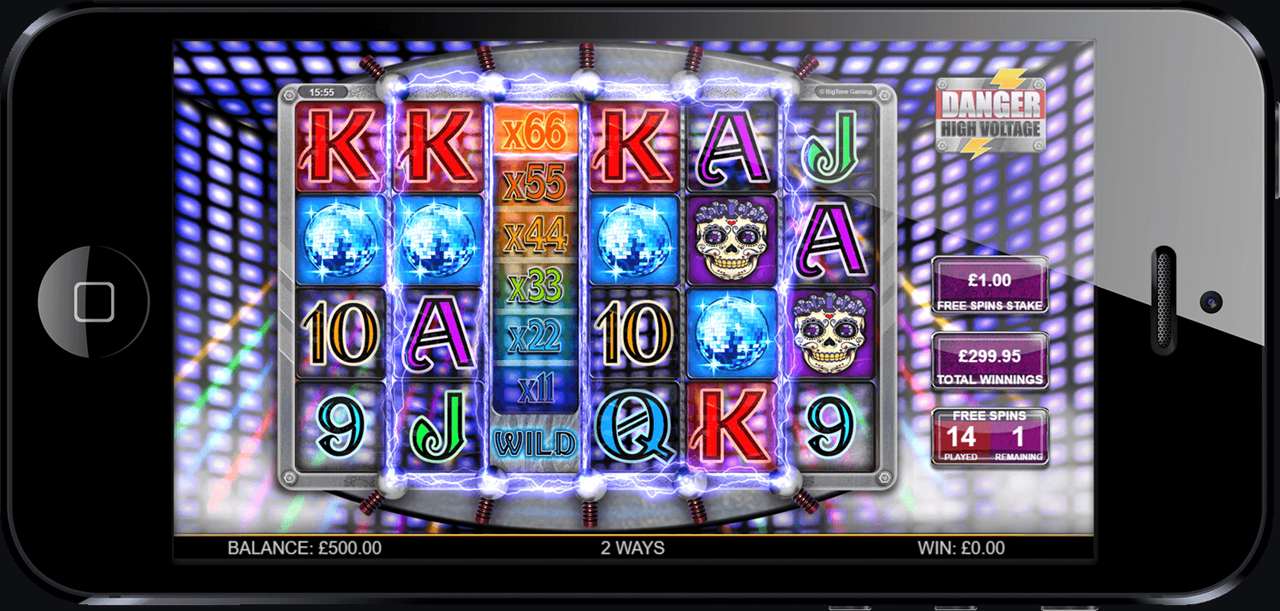
A wild adopts whatever regular symbol the line or cluster needs to complete.
It never invents a combination that was not already close to forming.
Two matching symbols and a wild pay because two matching symbols and a third match would have paid.
Everything beyond that is a behaviour layered on top by the studio.
Expanding, sticky, walking and multiplier wild symbols all still substitute the same way underneath.
Learning the base rule once covers every title in a Canadian lobby.
The rules screen then only needs checking for the behaviour layer.
One rule covers every variant.
Wild symbols substitute and nothing more, with behaviour layers added on top by the studio.
The rules screen names the layer.
Why do wild symbols not replace scatters?
Because scatters trigger features rather than complete lines. Allowing a wild to stand in for a scatter would make bonus rounds arrive far more often than the certified mathematics allows, so studios exclude them almost universally.
A handful of titles break the rule deliberately. The paytable states the exception where it exists.
The separation protects the feature frequency.
Scatters usually pay regardless of position and trigger free spins when enough land.
If wilds substituted for them, bonus rounds would arrive far more often than the certified build allows.
That would change the whole return distribution the laboratory tested.
So the exclusion is a mathematical necessity rather than a studio preference.
A handful of titles do allow it and compensate by making wild symbols rarer.
The paytable states the rule in one line either way.
Reading it prevents an expectation that never materialises.
Feature frequency is what the exclusion protects.
Wild symbols completing scatter triggers would break the certified distribution entirely.
What is an expanding wild?
Expanding wild symbols cover the entire reel they land on. One symbol becomes three or four positions, which lets a single wild complete multiple lines at once instead of one.
Book style slots built their reputation on this. The expanding symbol is chosen at random before free spins begin.
The effect on a payline grid is substantial.
One symbol becoming a full reel means every line passing through that reel now has a guaranteed match.
On a ten line slot that can complete four or five lines from a single landing.
Book style titles apply this during free spins with a symbol chosen at random before the round starts.
If the chosen symbol is a high value one the round pays enormously.
If it is a low card symbol the round returns little.
That randomisation is where almost all the variance in those titles lives.
Expanding wild symbols therefore create a very long tailed distribution.
One landing, a whole reel covered.
Expanding wild symbols are why book style titles produce such long tailed results during free spins.
What is a sticky wild?
Sticky wild symbols stay locked in position across subsequent spins. It usually appears during free spins and holds for the remainder of the round, so every later spin benefits from a position already filled.
Two or three sticky wilds on one line produce the largest results those titles offer.
The compounding is what makes them valuable.
A wild locked on reel three benefits every remaining spin of the round rather than one.
Two sticky wild symbols on the same payline effectively guarantee a win on every later spin.
Three of them produce results measured in thousands of times the stake.
Reaching that state is rare by construction.
Titles built around sticky wilds concentrate their return into those rounds.
Between features the base game usually pays very little.
The volatility rating reflects that concentration.
Position held, every later spin improved.
Sticky wild symbols concentrate a title into its feature round and leave the base game quiet.
What is a walking wild?
Walking wild symbols move one reel position on each respin. It triggers a respin when it lands, walks left or right, and keeps going until it leaves the grid entirely.
Each step brings another free respin. A wild landing on the far reel produces the longest sequence.
The respin chain is the appeal.
Each step the wild takes triggers another free respin, so a wild landing on the rightmost reel and walking left produces five respins.
Every one of those is a spin the player did not pay for.
Multiple walking wild symbols on the grid extend the chain further.
Certain titles add a multiplier that climbs with each step.
Direction varies by title and the rules screen states it.
Walking wilds are less common than sticky or expanding versions.
They produce a distinctive rhythm when they appear.
Each step buys a free respin.
Walking wild symbols produce the longest chains when they land on the far reel.
What is a multiplier wild?
Multiplier wild symbols multiply any win they help complete. A two times multiplier wild on a winning line doubles that award, and two of them on the same line usually multiply together rather than adding.
The paytable states whether multipliers combine. That single rule changes the ceiling considerably.
Whether multipliers combine or add is the detail that matters.
Two separate two times wild symbols on one line multiply to four times where they combine, and total three times where they add.
Across a long session that difference is material.
Studios state the rule in the paytable rather than on the tile.
Titles where multipliers combine carry far higher ceilings.
They also carry higher variance, because the large results depend on two rare events coinciding.
Reading that line predicts the shape of the game.
It takes one look at the wild entry.
Combining beats adding by a wide margin.
Multiplier wild symbols that multiply together carry far higher ceilings than ones that total.
What are stacked wilds?
Stacked wild symbols arrive as a block covering two or more positions on one reel. A full stack behaves like an expanding wild that landed naturally rather than by rule, and two stacked reels can fill most of a grid.
They appear in the base game as well as in features. Reel strips decide how often full stacks land.
Stacking is a reel strip decision rather than a feature.
Studios place wild symbols in consecutive positions on the strip so they arrive together.
A full stack covering a reel behaves like an expanding wild without any rule being invoked.
Partial stacks land more often and cover two positions.
Titles with heavy stacking feel generous in the base game and usually publish ordinary figures.
The return is redistributed rather than increased.
Nothing about a stack changes the certified percentage.
It changes when the money arrives.
Reel strips create stacks rather than rules.
Stacked wild symbols redistribute the return toward the base game without raising it.
Do wild symbols improve your odds?
Wild symbols are already counted in the return figure. A slot with generous wilds publishes the same kind of percentage as one without, because the mathematics accounts for every symbol on the reel strips.
What wilds change is how the return feels. Frequent substitutions read as a generous game.
The reel strips already account for them.
A laboratory testing a certified build simulates millions of spins including every wild landing.
The published figure is the result of that simulation.
So a title advertising generous wild symbols has already paid for them somewhere in the paytable.
Usually the base symbol awards are lower to compensate.
Comparing two titles on wild generosity is comparing presentation.
Comparing them on the published percentage is comparing price.
Only the second appears in the information panel.
Already priced into the figure.
Generous wild symbols mean a lower base paytable somewhere, because the percentage covers everything.
The comparison worth running is between titles rather than within one.
Two slots at the same published figure cost the same per spin whatever their wild symbols do.
Only the shape of the session differs.
Do wilds pay on their own?
On a portion of the catalogue, yes. Where a wild carries its own paytable entry, five of them on a line pays directly, and that award is usually the highest in the game.
Plenty of titles pay nothing for wilds alone. The paytable settles it in one look.
The distinction shows up in the paytable layout.
Titles where wilds pay list them at the top of the symbol table with their own awards.
Titles where they do not list them separately with a substitution note.
Five paying wild symbols on a line is usually the single largest fixed award a slot offers.
It is also among the rarest outcomes.
Where wilds pay nothing alone, the ceiling sits in a feature instead.
Neither design pays better overall.
The paytable makes the structure visible in one look.
The paytable settles it in one look.
Where wild symbols carry their own award, five on a line is usually the highest fixed prize.
Where do wild symbols appear on the reels?
Wild symbols sit frequently on the middle reels only. Restricting wilds to reels two, three and four is a common design choice because it keeps the maximum win reachable while limiting how often lines complete.
The rules screen states which reels carry them. That detail affects hit frequency directly.
Reel restrictions are a volatility lever.
Placing wild symbols only on reels two, three and four means the first and last reels never help complete a line.
That lowers hit frequency and protects the maximum win from being reached too easily.
Titles allowing wilds on every reel land wins more often and usually cap lower.
The rules screen states which reels carry them.
Players who check that line understand the hit frequency before staking anything.
It is one of the most informative sentences in a slot rules screen.
Almost nobody reads it.
Reel restrictions are a volatility lever.
Wild symbols confined to the middle reels lower hit frequency and protect the ceiling.
Do cluster and ways games use wilds?
Yes, and wild symbols matter more there. On a cluster pays grid a single wild bridging two separate groups merges them into one far larger cluster, which pays far more than the two groups would have.
On ways to win titles a wild fills a reel gap that would otherwise break adjacency.
The bridging effect on a cluster grid is dramatic.
Two groups of four matching symbols pay nothing on their own.
A single wild between them creates a cluster of nine, which pays many times what two fours would have.
That is why cluster titles with frequent wild symbols feel far more generous than their figures suggest.
On ways to win titles the effect is smaller but still meaningful.
A wild filling a reel gap keeps an adjacency chain alive.
Both formats count wilds inside the certified mathematics.
Neither gains return from them.
Bridging is where they earn most.
A single wild joining two groups on a cluster grid pays many times what the groups would have.
Are wild symbols the same in every Canadian lobby?
Wild symbols belong to the title rather than the operator. A certified build behaves identically at a crown corporation site and at an Ontario registered operator, because the wild logic sits inside the tested mathematics.
What differs between sites is the deployed return figure. The wild behaviour does not change.
Certification travels with the build rather than the site.
A title deployed at a provincial crown corporation and at an Ontario registered operator runs identical wild logic.
The laboratory tested that logic once and both operators deploy the tested package.
What an operator chooses is the return build rather than the feature rules.
So wild symbols never behave differently between licensed Canadian sites.
Players noticing a difference are noticing a different certified build of the same title.
The information panel names the deployed figure.
The rules screen names the wild behaviour.
The build carries the rules.
Wild symbols behave identically at every licensed Canadian operator running the same certified title.
Can a slot be fair with hardly any wilds?
Yes, because the return figure covers the whole design. A title with rare wilds compensates elsewhere, usually through a stronger base paytable or a more generous feature.
Counting wilds tells a player nothing about value. The published percentage does.
Design budgets balance across the whole title.
Money spent on frequent wild symbols comes out of the base paytable or the feature awards.
Money saved by restricting them goes back into one of those.
Both approaches can publish ninety-six percent.
A player counting wilds is measuring one input rather than the output.
The output is the percentage in the information panel.
Certified builds make that number reliable at a licensed Canadian operator.
Nothing else on screen substitutes for it.
Counting wilds measures an input.
The published percentage measures the output, and only that number describes what a title costs.
What should you check about wilds before playing?
Three things about wild symbols in the rules screen. Which reels carry wilds, whether they substitute for scatters, and whether any multiplier attached to them combines or adds.
All three take one read. They explain most of what a session will feel like.
Recording the answers builds a useful shortcut.
Noting which reels carry wild symbols and how multipliers behave takes seconds per title.
Those rules never change once a build is certified.
Only the return figure moves, and only when an operator switches build.
Twenty titles noted this way covers a year of play.
Demo mode at a licensed Canadian operator makes the exercise free.
Two minutes per title is the whole cost.
Nothing else about wilds requires research.
Three lines in the rules screen.
Which reels carry wild symbols, whether they cover scatters, and how multipliers behave.
The licence check still comes first.
Wild symbols behave identically everywhere, and recourse does not.
The provincial register settles that in seconds.
Which slot pages are worth reading next?
Symbol behaviour is one layer of a slot that also has a scoring rule, a return figure and a volatility rating. The pages below cover the rest.
- How to judge any slot on three measures
- Touching symbols instead of paylines
- The engine that recounts the ways on every spin
- Titles with the strongest published return figures
- Money symbols that lock while the counter resets
Wild symbols are the most visible part of a slot and the least useful for judging one. Read the return figure and the volatility rating first, then read the wild rules to understand how the session will play.