
The gambler who beat the roulette wheel Canada readers ask about was a Croatian called Niko Tosa, and Bloomberg’s Kit Chellel spent six months chasing him across Europe to find out how he did it. The chase ended in a fish restaurant on the Croatian coast, with a man who insisted he never used a computer. If you want to see where roulette sits among the games Canadian players reach for first, our Canadian casino rankings are a good starting point.
The gambler who beat the roulette wheel Canada story matters because it changed the game itself. Casinos redesigned their wheels, live dealer studios rebuilt their floors, and regulators commissioned laboratory tests. That is a large legacy for one night at a London table.
| Fact | Detail |
|---|---|
| Central figure | Niko Tosa, a Croatian roulette player whose real name Bloomberg agreed not to publish |
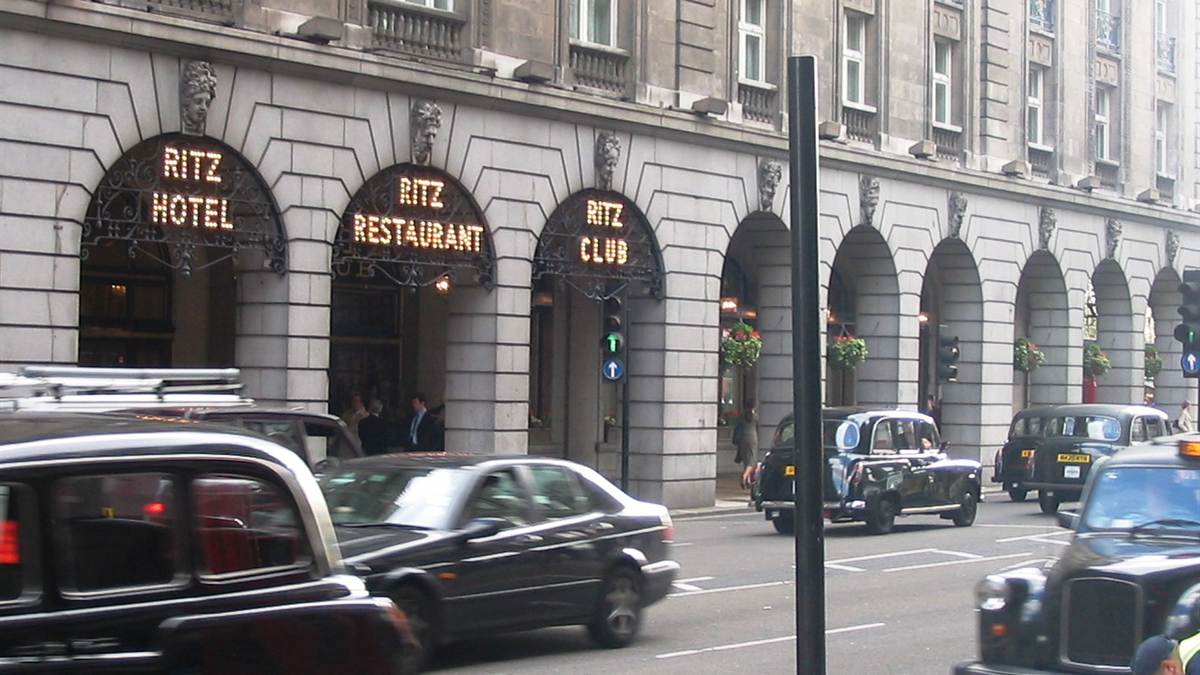
| Venue | The Ritz Club, a members-only casino in London’s West End |
| Night of the big win | March 15, at a table in the Carmen Room, watched on closed-circuit cameras from a back office |
| Companions | Nenad Marjanovic, a Serbian businessman, and Livia Pilisi of Hungary |
| Opening stakes | Chips worth 30,000 pounds for Tosa and 60,000 pounds for Marjanovic |
| Winnings | A 310,000-pound cheque for Tosa and 684,000 pounds for Marjanovic |
| Group total | About 1.3 million pounds once earlier sessions are counted |
| Method claimed by the press | A laser paired with a microcomputer, reported by the Mirror |
| Method Bloomberg established | No device was ever found, and Tosa denied owning one |
| Legal outcome | No charges were brought, and the Ritz had to pay |
| Industry response | New wheel designs, precision balancing and studio rebuilding |
| Legacy in one line | Roulette prediction moved from myth to accepted operational risk |
Who was Niko Tosa, and what did London casino staff see when he walked in?
Niko Tosa was a tall Croatian with rimless glasses, and Ritz Club staff greeted him with hushed reverence because the gambler who beat the roulette wheel Canada readers debate had already won thousands of pounds on earlier visits.
Bloomberg describes him as attentive as a hawk as he scanned the gaming floor. He had been to the Ritz half a dozen times in the previous two weeks.
Each of those visits ended with thousands of pounds in his pocket. Nobody at the club had worked out how he was doing it.
Bloomberg found no record of him in company registries, property records, news reports or social media. He had spent his career trying not to be found, and the search took the reporter through a long list of playing partners before a neighbour in Croatia pointed the way.
How did the Ritz Club first react to a player nobody understood?
The club simply watched and logged everything at first, because the gambler who beat the roulette wheel Canada readers study was winning over hundreds of rounds rather than in one lucky burst.
Bloomberg reports that the casino inspected a wheel he had played and found no sign of tampering.
Large wins were routine at the Ritz. Members made millions of pounds in an evening and left with designer bags full of cash.
What stood out was the pattern. The trio won as often as they lost, and then far more often than plain chance allows.
Bloomberg reports that a manager later described Tosa as the most successful player he had seen in twenty-five years on the job. That statement was written down, and the gambler who beat the roulette wheel Canada readers now quote it whenever they describe how unusual the run was.
What did the trio do differently at the table?
They waited six or seven seconds after the croupier launched the ball, then rushed chips onto the felt, and the gambler who beat the roulette wheel Canada forums discuss covered up to fifteen numbers in one move.
An assistant manager told investigators the three moved in unison, as though waiting for a starting gun.
The chips landed before the dealer called the end of betting. That narrow window sits at the heart of predictive play.
Bloomberg notes that the bets covered pie-sliced segments of the wheel rather than random numbers.
The crew was drawn to the part of the felt reserved for wheel segments, including wagers known as orphelins and le tiers du cylindre. Neighbours bets were their favourite, and the gambler who beat the roulette wheel Canada file shows that preference in every piece of footage the club reviewed.
Who were the two companions who walked into the Ritz with Niko Tosa?
One was Nenad Marjanovic, a Serbian businessman carrying an old Yugoslavian passport, and the other was Livia Pilisi of Hungary, and the gambler who beat the roulette wheel Canada coverage describes all three as a tight unit.
Bloomberg reports that Marjanovic did most of the actual gambling while Pilisi ordered drinks.
She appeared to be romantically involved with Marjanovic. She said later that she knew little about his gambling.
Bloomberg reports that the three travelled together and stayed in the same hotel. Police later found travel documents and passports in other names, which added to the sense of a practised operation rather than a night out.
Why did the crew settle at a wheel in the Carmen Room?
They chose the Carmen Room because the wheel there was the one Tosa had studied and confirmed he was able to beat, which is the detail the gambler who beat the roulette wheel Canada mystery turns on.
Bloomberg reports that the trio paused on the gaming floor and scanned the room before choosing a table.
The Carmen Room sat apart from the main playing area. The wheel there spun under a golden chandelier.
Tosa later said he had identified that particular wheel on sight, even after the club moved it to a different spot.
The club had moved that wheel into the Carmen Room the day before, according to Bloomberg. Staff had no idea the change would help a man who was already studying their equipment one table at a time.
What kind of wheel was spinning, and what does its pocket count mean?
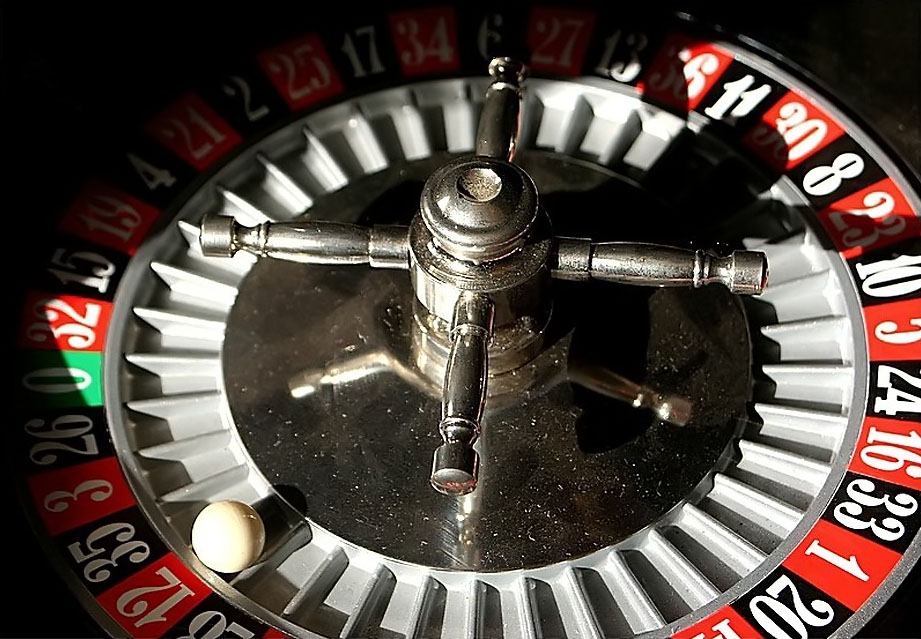
It was a standard European model with thirty-seven red and black pockets and a single green zero, and the gambler who beat the roulette wheel Canada story shows why that single zero matters.
Bloomberg lists the pocket order as 32, 15, 19, 4 and so on, in a sequence that looks random to the eye.
The single zero gives the house a smaller edge than a double-zero wheel. That detail shaped every payout in the gambler who beat the roulette wheel Canada story.
| Wheel type | Pockets | Straight-up payout | True odds against one number |
|---|---|---|---|
| European single zero | 37 | 35 to 1 | 36 to 1 |
| American double zero | 38 | 35 to 1 | 37 to 1 |
What did the opening stakes of the evening cost the players?
Tosa began with chips worth 30,000 pounds and Marjanovic began with 60,000 pounds, and the gambler who beat the roulette wheel Canada readers follow then watched both men break six figures.
Bloomberg reports that the pair soon raised their exposure, risking as high as 15,000 pounds on one spin.
A dozen chips on the table cost about 1,200 pounds in total. A winning number paid 35 to 1 on the money behind it.
Even at that level, the sums were modest beside the club’s normal business. The Ritz counted members whose fortunes dwarfed the stakes on the felt, which is why the manner of winning mattered more than the size. The gambler who beat the roulette wheel Canada readers ask about was never the biggest bettor in that room.
How long were the winning streaks that alarmed the security team?
The crew did not hit the right number on every spin, but the streaks ran to eight, ten and thirteen in a row, and the gambler who beat the roulette wheel Canada legend rests on that consistency.
Bloomberg reports that security staff watched nervously as the chip stack grew higher and higher.
Tosa’s Serbian partner later told police he had a skill level that won seventy per cent of the time.
He said only self-discipline held his profits back.
What did Tosa leave with, and what did his Serbian partner collect?
Tosa left the club with a 310,000-pound cheque, Marjanovic turned his 60,000 pounds into 684,000 pounds, and the gambler who beat the roulette wheel Canada case ended with a group total near 1.3 million pounds.
Bloomberg reports that Marjanovic asked for half a million pounds in two cheques and the rest in cash.
Tosa told casino employees he planned to come back the next day. That promise set up the arrest.
| Player | Chips at the start | Result on the night | Final form |
|---|---|---|---|
| Niko Tosa | 30,000 pounds | 310,000 pounds | Cheque |
| Nenad Marjanovic | 60,000 pounds | 684,000 pounds | Two cheques and cash |
| Group total including earlier sessions | Not stated | About 1.3 million pounds | Mixed |
Why did a 35-to-1 payout turn a modest spread of chips into six figures?
A neighbours bet spreads money across five pockets, so one winning number pays 35 to 1 on the chip that covered it, and the gambler who beat the roulette wheel Canada numbers show how fast that compounds.
By our sums, five chips placed on five adjacent pockets cost five units and return 36 units when the ball lands inside the spread.
A dozen chips worth 1,200 pounds placed across numbers at that rate brings back far more than the stake on a hit.
Repeat that across hundreds of spins and the table swings hard in the player’s favour.
The spread also buys speed, which matters when a player must commit chips in the last seconds of a spin. A five-pocket wager can go down with one movement of the hand, and that is the practical reason the crew favoured it.
What happened when the Serbian player wagered 10,000 pounds and looked away?
Marjanovic threw down 10,000 pounds in chips and turned away while the ball was still travelling, and the gambler who beat the roulette wheel Canada accounts treat that shrug as a sign of true confidence.
He was walking towards the bar when the ball settled. He lost that spin and showed no reaction at all, a calm typical of the gambler who beat the roulette wheel Canada crew.
Bloomberg reports that the crew showed neither joy nor dismay at any result. They simply played on.
What made the casino anxious when rich members lost fortunes there nightly?
The worry was not the size of the win but the method behind it, because the gambler who beat the roulette wheel Canada readers ask about was beating the wheel over hundreds of rounds rather than riding one hot night.
Bloomberg reports that customers routinely made millions of pounds in an evening without causing alarm.
Stephen Hawking once wrote that predicting a roulette number is practically impossible, and that physicists would otherwise make a fortune in casinos.
That quotation appeared in Bloomberg’s article, and it frames why the club’s staff felt unnerved.
The Ritz had hosted royalty, hedge fund owners and film stars without alarm. Bloomberg reports that one executive told the reporter the industry still loses sleep over the case. The gambler who beat the roulette wheel Canada story left a mark that ordinary big wins never did.
Why did the club’s own inspection of the wheel find nothing wrong?
Engineers examined the wheel for signs of tampering and found none, which is why the gambler who beat the roulette wheel Canada case turned into a two-decade puzzle for the industry.
Bloomberg reports that the wheel was a plain European model of the kind found in clubs across Europe.
No magnets, no altered pockets, no hidden wiring. The equipment passed every check the club ran.
Wheel engineers, police and lawyers went over the events within a week. Bloomberg reports that the case remained a mystery to insiders almost two decades later. One executive told the reporter that the industry still loses sleep over it. The gambler who beat the roulette wheel Canada story has that effect on operators.
What did the British press claim the gang had used?
The Mirror reported that a high-tech gang had pulled off a laser scam, pairing a device hidden in a mobile phone with a microcomputer, and the gambler who beat the roulette wheel Canada headlines grew from that claim.
Bloomberg states plainly that the newspaper reports were wrong about the laser.
Casino Guru also notes that the Mirror published a sensational account describing a high-tech gang at work.
The journalists were right about one thing, though. Roulette is beatable.
Bloomberg reports that the laser theory was as good a guess as any at the time. Nobody outside the crew had a better one, and the gambler who beat the roulette wheel Canada puzzle stayed open for the next twenty years.
Who was John Wootten, and how did his first day as security chief end?
John Wootten was a former Grenadier Guards soldier who ran a punk rock pub before joining the casino trade, and the gambler who beat the roulette wheel Canada story turns on his first day at the Ritz.
Bloomberg reports that he was drinking in a West End pub to celebrate the new job when a colleague phoned.
The message was blunt. The club was losing money quickly, and staff wanted instructions.
Wootten asked for the players’ names and told them to stop. By the time he reached the club, the trio had gone.
Wootten had tried to warn the trade about tiny computing devices and was mocked for it. Bloomberg reports that he made it his business to learn the subject after that. The gambler who beat the roulette wheel Canada case gave him the chance to prove the point.
Why did Wootten decide a computer was behind the wins?
He studied the closed-circuit footage, saw how late the bets went down, and concluded that the pause gave the players time to time the wheel, which is why the gambler who beat the roulette wheel Canada inquiry assumed a hidden device.
Bloomberg reports that Wootten had written off the theory of small computing devices at an industry event and been laughed off stage.
He had also read The Eudaemonic Pie, a book about physicists who tried to build a roulette computer.
After that experience he made a point of learning the subject properly.
He concluded that six seconds gave a device enough time to clock the ball and the rotor and produce a forecast. Wootten then decided to call the police rather than simply bar the players from the club.
What did officers take from the hotel rooms of the three players?
Police seized burner phones, a PalmPilot-style device and hundreds of thousands of pounds in cash, and the gambler who beat the roulette wheel Canada case gained a paper trail with a list of casinos marked with ticks, crosses, pluses and minuses.
Bloomberg reports that the searches produced no earpieces, no wiring and no timer.
Detectives also found passports showing travel to Angola and Kazakhstan.
The marked-up list suggested the crew graded casinos by how beatable each one was.
Detectives interviewed all three separately and released them on bail. Bloomberg reports that Tosa, Marjanovic and Pilisi then stopped outside the club for a brief conversation with a doorman. The gambler who beat the roulette wheel Canada saga had entered its legal phase.
What did the list of marked casinos suggest to detectives?
The symbols looked like a scouting report, with ticks for a fruitful wheel and crosses for a poor one, and the gambler who beat the roulette wheel Canada investigators read the sheet as evidence of planning rather than fraud.
Bloomberg reports that the list was among the items found in the hotel rooms.
Nothing on the sheet named a device, a partner or a payout. It recorded the quality of venues.
Tosa later said the condition of a wheel was everything, which lines up with that reading.
Police already suspected that Jovanovic belonged to a syndicate run by Tosa. The marked sheet pointed in the same direction. Bloomberg reports that the link was never proved. The gambler who beat the roulette wheel Canada investigation ended without a named organisation behind it.
How did Niko Tosa answer police questions?
Tosa said almost nothing at the station, and the gambler who beat the roulette wheel Canada file records a man who was robotically unhelpful while his companions talked around the subject.
Bloomberg reports that all three were interviewed separately through an interpreter.
Both men denied using any kind of computer. Neither offered an explanation for the win rate.
Marjanovic was more talkative and just as confounding. He claimed a professional standard of skill. Neither man offered a method that the police were able to test.
What did Nenad Marjanovic claim about his own win rate?
Marjanovic told police he was a professional gambler whose skill at roulette won seventy per cent of the time, which is why the gambler who beat the roulette wheel Canada readers debate skill against equipment.
Bloomberg reports that he attributed his limits to self-discipline alone.
A seventy per cent strike rate on neighbours bets would flip the table’s edge far into the player’s favour.
By our sums, even a small gain over the house edge turns a losing game into a paying one over hundreds of spins.
The figure became part of the police record. Bloomberg reports that Marjanovic denied using any computer, and no analysis contradicted him. The gambler who beat the roulette wheel Canada readers who accept the number must also accept that a human skill was at work.
What did Livia Pilisi say when a detective showed her the footage?
A detective showed her filmed footage of her partner winning half a million pounds and remarked that she showed no emotion, and the gambler who beat the roulette wheel Canada transcript records her reply as a shrug and two words.
Bloomberg reports her response was simply, “So what?”
She said she knew little about how Marjanovic gambled and gave a vague account of how she met Tosa.
The exchange appears in Bloomberg as a small, telling moment. A half-million-pound win drew a shrug. The gambler who beat the roulette wheel Canada case had three calm people at its centre, and that calm puzzled the club more than the money did.
Why did the money laundering unit of the Metropolitan Police take over?
Officers decided the sums involved were large enough to bring in the force’s money laundering division, and the gambler who beat the roulette wheel Canada investigation briefly became a financial crime case.
Bloomberg reports that the Ritz was authorised to halt payment on the two cheques while that inquiry ran.
The club’s owners did not want the players to take the money and leave the country.
Detectives told Wootten that the sums justified the handover. Bloomberg reports that the club was left waiting while the inquiry ran. The result was a long delay and, in the end, a payment it had tried hard to avoid.
What happened when the trio returned to the Ritz the next evening?
They returned at ten that night as promised, but officers took them to a private room and arrested them on suspicion of deception, placing the gambler who beat the roulette wheel Canada case under direct police scrutiny.
Bloomberg reports that a squad from the Metropolitan Police was waiting for them inside the club.
Officers led Tosa, Marjanovic and Pilisi away to a nearby police station for separate interviews.
The late return mattered. It showed the group was ready to face the club again after its largest night.
Why did a suspected computer not automatically settle the legal question?
Even if police had proved a computer was used, British law did not clearly ban it, so the gambler who beat the roulette wheel Canada case exposed a gap between casino suspicion and a criminal offence.
Bloomberg says Nevada banned electronic devices in its casinos decades ago.
The British gaming statute dated from the middle of the nineteenth century and was aimed at stopping noblemen from ruining family fortunes.
It did not mention computers. That left the gambler who beat the roulette wheel Canada investigators with a hard legal problem.
What evidence did police IT specialists find on the seized phones?
The specialists found evidence that data had been deleted from the phones but found no roulette-beating software, leaving the gambler who beat the roulette wheel Canada investigation with suspicion but no proof.
Bloomberg reports that investigators treated the deletion as suspicious.
Yet no analysis showed a program, timing system or signal from an outside partner.
The difference between deleted material and evidence of deception decided the case.
The phones were treated as objects of suspicion rather than proof. Bloomberg reports that no roulette-beating software ever surfaced on them. The gambler who beat the roulette wheel Canada file contains a gap where the method ought to be.
Why did the players’ lawyer propose a demonstration at the Colony Club?
The lawyer proposed a live demonstration to show that roulette was beatable without fraud, turning the gambler who beat the roulette wheel Canada dispute into an experiment in front of police and casino security chiefs.
Bloomberg reports that the police inquiry had stalled. The lawyer said a practical display would answer the question.
The Colony Club agreed to host it and invited security leaders from across London’s West End.
The meeting was meant to settle a question that equipment searches had not resolved.
The event was held about six months after the arrest. Bloomberg reports that security chiefs from across the West End were invited alongside the police. The gambler who beat the roulette wheel Canada dispute had become a demonstration for the trade.
Who played in the Colony Club demonstration instead of Tosa?
Ratomir Jovanovic, a grim-faced Croatian, played with Lebanese partner Youssef Fadel while Tosa stayed out, and the gambler who beat the roulette wheel Canada story later confirmed that Jovanovic taught Tosa.
Bloomberg reports that Jovanovic and Fadel had made about 380,000 pounds in London using the same late-betting style.
Police suspected Jovanovic belonged to a Tosa-led syndicate, but they were unable to prove that link at the time.
What did Jovanovic and Fadel do at the Colony Club wheel?
They used the familiar pause, late wager and neighbours spread, but they failed to hit enough numbers in the hostile room, giving the gambler who beat the roulette wheel Canada mystery no public resolution.
Bloomberg reports that Jovanovic missed the first spins and barely improved later.
He blamed the room’s bad vibes for disrupting his instincts. Security staff were not persuaded.
The pressure was extreme, with police and hostile casino executives surrounding the table.
Bloomberg reports that casino executives began complaining about wasted time. One of them started mouthing off about the pair. The gambler who beat the roulette wheel Canada demonstration ended in irritation rather than clarity.
What did Jovanovic mean by offering to play naked?
He was insisting that no hidden device was involved, offering a body search in front of the room, yet the gambler who beat the roulette wheel Canada demonstration ended before that claim was tested.
Bloomberg reports that a casino representative grabbed toward his jacket and told him to go ahead.
A detective stopped the confrontation before it became physical and escorted the players out.
The moment shows how tightly suspicion and fear had gripped the casino side.
Why did the public demonstration fail to prove the crew’s method?
It failed because Jovanovic did not reproduce the Ritz results under pressure, but one bad session did not disprove a wheel-specific skill, leaving the gambler who beat the roulette wheel Canada question unresolved.
In the gambler who beat the roulette wheel Canada story, prediction relies on the wheel, the ball, the rotor and the timing of a particular spin.
Bloomberg reports that Tosa later said the condition of a chosen wheel was vital.
A substitute player at a different table, with eyes on him, was not the same test.
Why did police decide not to bring charges against the Ritz trio?
Detectives found no evidence of dishonesty or cheating and no definitive link to the other group, so the gambler who beat the roulette wheel Canada file closed without charges against Tosa, Marjanovic or Pilisi.
Bloomberg says officers also ended their investigation of Jovanovic and Fadel.
No hidden device was found. No program was found. The law did not supply an alternative charge.
That conclusion forced a result the Ritz did not want.
Bloomberg reports that the group had lawyered up and refused further questions. Detectives had footage, cash and a marked list, but nothing that proved dishonesty. The gambler who beat the roulette wheel Canada case closed on evidence that never arrived.
Why did the Ritz ultimately have to pay the disputed winnings?
Police told Wootten there was no legal route to stop payment, so the Ritz had to honour the cheques, making the gambler who beat the roulette wheel Canada story a paid victory rather than an unpaid controversy.
Bloomberg reports that Wootten dreaded telling the casino’s billionaire owners.
The club had stopped the cheques during the investigation. Once that inquiry ended, the hold fell away.
| Stage | What investigators knew | What they did not establish |
|---|---|---|
| Ritz footage | Late, coordinated bets over adjacent pockets | How the forecast was made |
| Equipment search | Phones and a PalmPilot-style device existed | A roulette timing device or software |
| Hotel search | Cash and a marked casino list existed | Dishonest conduct |
| Colony Club test | Jovanovic used the same betting style | That the style worked on that wheel |
| Police outcome | No proof of cheating | A charge that held up |
The club owners had watched a stranger take more from one table in one night than most members lose in a year. The gambler who beat the roulette wheel Canada case ended with the house paying and the players walking free.
What older scientific experiment made roulette prediction less absurd?
Edward Thorp and Claude Shannon treated roulette as a physics problem, not magic, which gave the gambler who beat the roulette wheel Canada story a serious scientific predecessor.
Bloomberg reports that the pair focused on gravity, friction, air resistance and centripetal force.
A ball travels around a circular track while the rotor turns below it. Those movements have measurable speed and direction.
The difficulty begins when the ball falls inward and strikes metal dividers between pockets.
Thorp went on to become a well-known figure in gambling mathematics. Bloomberg describes him as an American mathematician and a pioneer of the field. His work with Shannon set the template that later players followed.
What did Thorp and Shannon build to test their equation?
They built the first wearable computer, a matchbox-sized device wired to a timing switch hidden in a shoe, proving that the gambler who beat the roulette wheel Canada discussion has roots in real experimentation.
Bloomberg reports that Thorp tapped his foot twice after calibrating the machine for a specific wheel.
The taps supplied speed readings to the equation. In laboratory work, the forecast was often off by a small number of pockets.
The wiring failed in casinos, which kept the idea from becoming a field success then.
The pair drew their own electrical diagrams and schematics, which are held in Thorp’s papers. Bloomberg reproduces a plan for a wheel and a wearable computer from that archive.
Why did the ball’s second phase make physics hard to use at a table?
Once the ball left the outer rim it ricocheted from metal slats and pocket dividers, making its route chaotic, so the gambler who beat the roulette wheel Canada account hinges on finding a weakness before that scramble dominates.
Bloomberg says scientific consensus regarded this second phase as strong enough to ruin a precise prediction.
Thorp and Shannon nevertheless found that speed timing narrowed the likely destination to a nearby range.
That is not a promise of an exact number. It is a narrower target zone, the same idea behind the gambler who beat the roulette wheel Canada debate.
What did J. Doyne Farmer’s Eudaemonic Enterprises try to accomplish?
Farmer and his partners built a hidden-buzzer system that divided the wheel into eight likely sections, and the gambler who beat the roulette wheel Canada story inherited their basic idea of timing movement.
Bloomberg reports that the group called itself Eudaemonic Enterprises after Aristotle’s term for a fulfilled life.
Its goal was a community of inventors financed by gambling profits. Field hardware made that dream difficult.
Why did the Eudaemonic system not become a casino weapon?
The computer overheated, shorted out and burned skin during field tests in Lake Tahoe and Las Vegas, so the gambler who beat the roulette wheel Canada case arrived long after this early effort had ended.
Bloomberg says the team spent years and thousands of dollars before abandoning the project after years of failed field tests.
One member wrote The Eudaemonic Pie about the experience. The title became a landmark in gambling technology lore.
Failure in a real casino taught the team that a laboratory proof is not the same as usable play.
| Project | Input recorded | Output | Field limitation |
|---|---|---|---|
| Thorp and Shannon device | Ball and rotor speed through shoe taps | Likely nearby pockets | Fragile wiring |
| Eudaemonic device | Wheel and ball timing | One of eight wheel sectors | Heat, shorts and physical discomfort |
| Barnett system | Timed video of a moving ball and wheel | Numbers treated as less likely | Required favourable wheel conditions |
Who was Mike Barnett, and why did the Ritz bring him from Australia?
Mike Barnett was an electrician turned professional gambler and casino security consultant, and the gambler who beat the roulette wheel Canada inquiry brought him in to explain predictive roulette to police and casino staff.
Bloomberg reports that he flew in with his own roulette timers and predictive software.
He did not claim to know what Tosa used. He wanted to show that a roulette computer was technically possible.
His work changed what the wider industry believed about its own wheels.
What did Barnett ask casino audiences to do with a handheld clicker?
He asked them to time video footage of a moving ball and wheel accurately enough for his program to forecast outcomes, and the gambler who beat the roulette wheel Canada debate suddenly became hands-on.
Bloomberg reports that most audience members were able to do it.
Once people timed the motion themselves, roulette prediction stopped looking like fantasy to them.
Barnett said his point was not mystical insight. It was a measurable input feeding a calculation.
Bloomberg reports that Barnett brought his own timers and software from Australia at the club’s expense. He wanted the industry to see the problem for itself rather than hear another warning from a security chief.
How did Barnett explain the tiny edge needed to change the game?
Barnett said that ruling out two numbers made the odds slightly better than even, flipping the house advantage, and the gambler who beat the roulette wheel Canada case put that proposition before casino leaders.
His statement refers to the thin advantage created by the green zero on a European wheel.
By our sums, ordinary roulette has a fixed negative expectation for a random bet. Excluding outcomes with reliable information changes that starting point.
The hard part, in the gambler who beat the roulette wheel Canada story and elsewhere, is obtaining reliable information before betting closes.
What did the government laboratory conclude about Barnett’s predictive system?
The laboratory confirmed that roulette computers worked when certain conditions were present, giving the gambler who beat the roulette wheel Canada story official support for the physics while not identifying Tosa’s personal method.
Bloomberg reports that the UK Gambling Commission ordered the test.
The conclusion mattered because it came from a government laboratory rather than a player or security consultant.
The conditions were faults and patterns in the equipment, not a universal weakness in every roulette game.
The laboratory verdict turned a disputed theory into a documented risk. Bloomberg reports that the study also set out the conditions that made prediction work, which became a checklist for equipment buyers across the trade.
Why was the government report not released publicly?
Bloomberg reports that casinos made sure the finished laboratory report was never released to the public, so the gambler who beat the roulette wheel Canada history became insider knowledge across the industry.
Within the business, the test supplied official backing for a concept that had once looked fanciful.
The report also offered practical defences. Casinos used those recommendations as a design brief.
Bloomberg reports that the study offered recommendations on wheel depth, dividers and balance. Casinos acted on those recommendations quickly. The gambler who beat the roulette wheel Canada story therefore reshaped equipment long before the public heard the details.
What is a roulette drop zone in the terms used by Bloomberg?
A drop zone is a repeated area where a tilted or worn wheel makes the ball leave the outer rim, and it is the physical flaw central to the gambler who beat the roulette wheel Canada explanation.
Bloomberg says a small tilt can force the ball to climb a slope, slow down and fall from the rim in the same place on repeated spins.
The later bounces remain chaotic. Yet a predictable start to the second phase gives a model useful information.
Barnett called the drop zone roulette’s Achilles’ heel.
Bloomberg calls the drop zone the Achilles heel of roulette. A small patch of predictability at the start of the fall is enough for software to narrow the outcome. The gambler who beat the roulette wheel Canada readers ask about may have relied on nothing more than that flaw.
How little tilt can create a meaningful weakness in a roulette wheel?
Bloomberg says even a fraction of one degree off level can send the ball toward a repeatable drop zone, which makes the gambler who beat the roulette wheel Canada story about precision rather than spectacle.
A quick check with a level no longer met the standard after the Ritz case.
Casinos learned to balance wheels with extraordinary accuracy. They also began looking for wear and residue around the wheel.
Hand lotion left by a croupier was one of the examples Bloomberg gave for a source of altered movement.
| Potential source of pattern | Effect described by Bloomberg | Casino response |
|---|---|---|
| Marginal tilt | A repeated drop area as the ball climbs a slope | Precision balancing and inclinometers |
| Wear from use | Patterns in where the ball travels | Inspection and replacement |
| Residue from hand lotion | Altered ball movement | Cleaning and monitoring |
| Deep dividers and pockets | Less chaotic final movement | Shallower bowls and smoother design |
Balance checks became a routine part of wheel maintenance after the case. Clubs bought inclinometers and laser sensors to detect a tilt too small for the human eye to catch. The gambler who beat the roulette wheel Canada episode sits behind that spending.
Why did Tosa say the condition of the chosen wheel was vital?
Tosa said wheel condition was vital because he had played one Ritz wheel enough to confirm that he was able to beat it, and the gambler who beat the roulette wheel Canada claim was never that every wheel gave him an edge.
Bloomberg reports that he found the same wheel after staff had moved it into the Carmen Room.
That detail supports a wheel-specific explanation rather than a broad betting system.
It also fits the marked casino list police found in the hotel rooms.
Bloomberg reports that he had played the wheel enough to confirm his edge before the big night. That preparation explains why the crew scanned the floor before sitting down. The gambler who beat the roulette wheel Canada readers follow chose a machine, not a betting plan.
What did Tosa say was his actual method when Bloomberg met him?
Tosa said practice trained his brain, and he showed Bloomberg a video of a roulette wheel kept at his house, framing the gambler who beat the roulette wheel Canada story as a trained human skill.
He said Ratomir Jovanovic taught him. The reporter had earlier seen Jovanovic fail at the Colony Club demonstration.
Tosa denied that a computer had ever been involved. He described himself and his crew as peasants, not James Bond figures.
Bloomberg reports that Tosa met the reporter at a fish restaurant in the old harbour at Dubrovnik. He was taller and more birdlike in person than the reporter expected. The gambler who beat the roulette wheel Canada readers read about bought a round of single malt whiskies and talked for hours.
What was Tosa’s response when asked again about a hidden device?
He said, “You can call me Nikola Tesla if I have such a device,” using humour to reject the allegation, and the gambler who beat the roulette wheel Canada interview records no admission of electronics.
Bloomberg reports that he became exasperated as the questions continued.
His friend explained that Tosa was asking how to make the reporter understand, not merely growing angry.
The denial leaves the gambler who beat the roulette wheel Canada story with competing explanations, not a proven secret.
The denial never satisfied the casino side. Wootten had spent a career collecting the gadgets that players used, and the gambler who beat the roulette wheel Canada file held no such item.
What did physicist Doyne Farmer say about a human predicting roulette?
Farmer said it was conceivable without a computer if the wheel was tilted and the rotor was not moving too fast, making the gambler who beat the roulette wheel Canada account physically plausible but not proven.
Bloomberg identifies Farmer as a professor at the University of Oxford when the reporter called him.
He compared cerebral clocking with musical talent, suggesting that similar brain areas for sound and rhythm may be involved.
That is an expert view on possibility, not confirmation that Tosa did it this way.
Bloomberg reports that Farmer now teaches at Oxford. His work on prediction is chronicled in The Eudaemonic Pie. The gambler who beat the roulette wheel Canada question was put to him as a sanity check on Tosa’s own account.
What does cerebral clocking mean in roulette circles?
Cerebral clocking is the claimed ability to sense a ball’s likely landing area after long practice with timing technology, and it is the human version of the gambler who beat the roulette wheel Canada puzzle.
Bloomberg reports that early prediction pioneers noticed this feeling after using technology thousands of times.
Mark Billings compared it with an athlete who looks at the wheel and simply knows where the ball is heading.
For the gambler who beat the roulette wheel Canada readers ask about, that perception still depends on a vulnerable wheel and a useful drop zone.
Bloomberg reports that the phenomenon appeared among pioneers who had used prediction technology thousands of times. Their sense of the wheel sharpened until the machine became optional. Whether Tosa reached that level is unknown.
Why did Barnett think Tosa may not have needed a computer at the Ritz?
Barnett argued that the old Ritz wheel was so predictable Tosa did not require a computer, and the gambler who beat the roulette wheel Canada analysis therefore does not have a single accepted answer.
Bloomberg reports that Barnett said even an unskilled observer was able to beat the wheel they played.
Wootten and Barnett still debate the point. Wootten suspected technology; Barnett highlighted the equipment itself.
The absence of evidence blocks a final verdict on the gambler who beat the roulette wheel Canada method.
Bloomberg reports that Barnett wanted to expose the method but found nothing to work with. He told the reporter that the only way to learn the truth was to ask Tosa. The gambler who beat the roulette wheel Canada mystery then travelled from London to a Croatian harbour.
What did Tosa admit about aliases and disguises after the Ritz affair?
He admitted using fake identity documents and disguising himself with a wig and false beard, which made the gambler who beat the roulette wheel Canada figure harder for casino security teams to recognise.
Bloomberg reports that he saw no wrongdoing in hiding his identity.
Wootten later received reports of a man fitting Tosa’s description in Romania, London, Poland and Slovakia.
Different names and partners made the tracking work harder, but his face remained recognisable to watchers.
What later report from Nairobi reached John Wootten?
A casino owner in Nairobi asked Wootten about a Croatian who won five million Kenyan shillings with late neighbours bets, and the gambler who beat the roulette wheel Canada trail appeared to extend far beyond London.
Bloomberg reports that the owner wondered if the player was the same man from the Ritz.
Wootten confirmed the identity. The owner said he hoped contacts in government would have Tosa arrested.
Wootten saw the incident as evidence that stronger European defences had made vulnerable wheels harder to find.
Bloomberg reports the Kenyan win as five million shillings, or about fifty-seven thousand dollars at the time. The player watched the wheel for a short spell and then placed neighbours bets, the same signature Wootten knew from London.
How did the Ritz rebuild its roulette wheels after the case?
The Ritz replaced all of its wheels within months, and the gambler who beat the roulette wheel Canada episode pushed London’s clubs to buy new equipment long before the rest of the world followed.
Bloomberg reports that London casinos were among the first to order wheels built to the new specifications.
Word travelled through the trade quickly. Club managers who had dismissed the threat began asking suppliers for details.
That purchasing wave is one reason the case still shapes the equipment a player meets today.
Suppliers changed pocket depth, divider height and bowl curvature to lengthen the chaotic phase of a spin. Bloomberg reports that these features make the ball hop in ways that even a powerful computer finds hard to model.
What did Barnett’s presentation do to opinion in Las Vegas?
Bloomberg reports that hardly anyone raised a hand when Barnett asked a Las Vegas audience if roulette prediction was possible, and the gambler who beat the roulette wheel Canada lesson had reached the industry’s centre.
By the end of the same talk, almost everyone in the room raised a hand.
The reversal shows how quickly a dismissed theory became accepted operational risk.
Casino groups started budgeting for equipment that resists a trained player.
How did earlier wheel trackers differ from Tosa’s crew?
Earlier players looked for wheels that favoured particular numbers through wear, while the gambler who beat the roulette wheel Canada story rests on timing a moving ball, so the two approaches are different problems.
Casino.org says a medical researcher recorded thousands of spins across European casinos and struck biased wheels over a run of years.
The Hustle writes that one Italian casino replaced all twenty-four of its wheels to stop him.
Those accounts disagree on small details, including his reported age at death and the currency used for his winnings. Both describe a bias hunter rather than a ball timer.
Longreads ran the Bloomberg feature as an Editor’s Pick, and Marcellus summarised the same reporting for its readers.
What did Evolution Gaming’s engineers find under a studio table in Riga?
They found a gap between the solid concrete base and the carpeted playing surface, and the gambler who beat the roulette wheel Canada style of prediction turned up in a live online studio as a result.
Bloomberg reports that the floor flexed slightly when a croupier stood beside the televised table.
The movement was invisible to the eye yet enough to tilt the wheel for anyone using prediction software.
One online player won tens of thousands of dollars from a major Evolution partner before engineers installed platforms to steady the wheels.
How did a hot room and a fan give online players an edge?
Bloomberg reports that croupiers worked in a hot room cooled by a fan that altered the movement of the ball, so the gambler who beat the roulette wheel Canada method reappeared in an air-conditioned studio.
The fan created a small physical influence on a supposedly closed system.
Studios learned that climate control, airflow and seating all belong to game integrity.
Live dealer roulette is a physical game with a camera in front of it, not a mathematical abstraction, and that is the gambler who beat the roulette wheel Canada lesson for studios.
What happens to live studio wheels after weeks of round-the-clock spinning?
Bloomberg reports that new equipment arrived with unglued pockets and degraded after only weeks of continuous use, giving the gambler who beat the roulette wheel Canada audience a reminder that wear never stops.
Certain wheels became so dependable that players bet the favoured section over and over without any equation.
Others spotted the faults before the operator’s own analysts did.
Continuous spinning removes the quiet periods that let land casinos rest and service equipment.
What is random rotor speed technology, and who uses it?
Random rotor speed is software that slows the wheel differently on each spin to defeat timing, and the gambler who beat the roulette wheel Canada problem drove live suppliers such as Evolution Gaming to adopt it.
Bloomberg reports that gambling firms are fighting back with this approach.
If the rotor speed varies, a timer that relies on a steady rotation loses part of its value.
The change must be handled carefully so that advertised odds for ordinary players stay intact.
| Studio flaw found | What it produced | Countermeasure reported |
|---|---|---|
| Flexing floor under a croupier | A repeatable drop area | Platforms to steady the wheel |
| Fan used to cool a hot room | Altered ball movement | Environmental control |
| Unglued pockets on new equipment | Predictable sections | Inspection and repair |
| Wear after weeks of spinning | Dependable favoured sections | Real-time wheel tracking |
| Steady rotor speed | Easier timing for software | Random rotor speed |
Why did Evolution Gaming build a game integrity department of four hundred staff?
Bloomberg reports that Evolution employed four hundred people in its game integrity and risk department, because the gambler who beat the roulette wheel Canada style of play kept evolving faster than the company’s defences.
The company hired specialists and paid consultants, including Barnett.
It developed software to track wheels in real time and flag any section winning more often than statistical models allow.
Croupiers received screens instructing them to toss the ball faster or slower as needed.
Bloomberg reports that the company warned in an annual report that its adversaries were growing more sophisticated every year. A spokesman told the reporter that protecting game integrity is a prerequisite for the business.
Why does the industry refuse to call an end to betting before the wheel spins?
Bloomberg reports that ending betting before the ball moves would cut into profits and deter casual players, so the gambler who beat the roulette wheel Canada loophole stays open by commercial choice.
That decision is the clearest single fix available to a land casino.
Operators prefer to pay a toll to the small number of players who know the secret while designing out the flaws that make prediction possible.
Every deep pocket, high wheelhead and curved bowl a player meets today reflects that trade-off.
What does Barnett say about the newest generation of online sharp players?
Barnett says a new generation uses software that scans the video feed and times the ball and wheel automatically, and the gambler who beat the roulette wheel Canada challenge has moved from casino floors to home computers.
Bloomberg reports that these players work with no security guards nearby.
Screen scanning removes the manual clicking that once limited the number of tables one person handled.
Casino Guru notes that widely available generative tools may sharpen such operations further.
What did Wootten collect from a career spent chasing roulette devices?
He filled a cabinet with PalmPilots, reprogrammed cellphones, flesh-coloured earpieces, miniature buttons and cameras, and the gambler who beat the roulette wheel Canada investigation produced none of them.
Bloomberg reports that he knew of a player who hid a roulette timer in his mouth.
He had heard a rumour about a player who tried to have a microprocessor embedded in his scalp.
Tosa was never caught with even a thumb drive. That gap gnawed at Wootten.
The collection became a museum of failed tricks and successful ones. Each item represented a player who had tried to beat a wheel with hardware rather than knowledge. The gambler who beat the roulette wheel Canada legend produced no exhibit at all.
How did the Ritz case change John Wootten’s own career?
The case made Wootten a sought-after speaker on casino security, and the gambler who beat the roulette wheel Canada mystery gave him a topic he carried to Macau, Las Vegas and Tasmania.
Bloomberg reports that he admired Tosa in part, seeing him as a cut above ordinary casino cheats.
He stayed in touch with a global network that passed him sightings of the Croatian.
His talks turned a single night in London into a teaching case for the industry.
When did the Ritz close, and what did that mean for Wootten?
Bloomberg reports that the Ritz shut its doors permanently during the Covid-19 pandemic and Wootten retired, closing the chapter in which the gambler who beat the roulette wheel Canada readers follow had been hunted.
He left with a shed full of confiscated gadgets and a reputation as the man who took the threat seriously first.
The club itself never recovered the money it had paid out.
What did Tosa say about the money he left behind at the Ritz?
He claimed that without the arrest he would have returned the next night and made ten million pounds, showing how the gambler who beat the roulette wheel Canada figure judged the casino’s escape.
Bloomberg reports that he felt the club got off lightly.
He also said he had been beaten up by casino thugs more than once during his career.
Bloomberg records the claim without any way to test it.
Why did Bloomberg agree to withhold Tosa’s real name?
The reporter agreed because Tosa’s family said he had enemies less forgiving than a security chief, and the gambler who beat the roulette wheel Canada readers read about is therefore a man without a public name.
Bloomberg reports that a former playing partner was shot dead in Belgrade in an apparent mafia feud.
Tosa had fallen out with other partners over money.
His anonymity is one reason no company record, property register or news archive offers a clean paper trail.
What did Tosa’s young relative remember about his first big win?
A young relative recalled the day Tosa first drove into their home village in a Ferrari, a memory that shows what the gambler who beat the roulette wheel Canada story meant at home.
Bloomberg describes the village as sitting in the foothills of the Dinaric Alps.
The area is not wealthy by Croatian standards, though Tosa comes from a prominent local family.
The car was the visible proof of a fortune made at tables thousands of kilometres away.
What did Tosa want to know about the article’s publication date?
He asked when the story would appear because he was planning another international trip, and the gambler who beat the roulette wheel Canada readers now know he wanted to keep his cover intact.
Bloomberg reports the question came with a smile near the end of their meeting.
He did not want the reporter to reveal where he was heading.
Two decades after the Ritz, the pattern of travel and disguise had not stopped.
Which books did Bloomberg’s reporting lean on?
Bloomberg draws on The Eudaemonic Pie and Mark Billings’s Follow the Bouncing Ball, and anyone wanting the gambler who beat the roulette wheel Canada story in long form will find both titles in the wider literature.
The first book describes physicists who tried to build a working roulette computer in the field.
The second comes from a lifelong player who argues that trained perception is real.
Casino Guru lists both as the main published material on how the feat may have been done. Readers who want more titles in this vein can browse our casino books for Canadian readers.
Casino Guru notes that no book is devoted to Tosa’s own method, because the method was never established in public. The Eudaemonic Pie and Follow the Bouncing Ball describe the wider tradition instead.
Why did the systems Bloomberg lists not work for anyone else on the felt?
Systems such as Oscar’s Grind and the D’Alembert change stake sizes rather than probabilities, so the gambler who beat the roulette wheel Canada case cannot be copied by betting patterns alone.
Bloomberg notes that casino owners welcome these systems because they do not change the underlying mathematics.
Doubling after a loss, the simplest of them, runs into table limits and finite bankrolls.
By our sums, no staking plan removes the house edge created by the green zero. If you want a balanced look at what betting plans actually do, see our roulette strategies for Canadian players.
Can a Canadian player practise reading a wheel without risking money?
A Canadian player can watch recorded spins and free tables to learn how a ball behaves before spending anything, and the gambler who beat the roulette wheel Canada story shows that long observation came first.
Tosa kept a wheel at his house for practice, according to what he told Bloomberg.
Free versions of the game let a player study pocket order, neighbour spreads and the pace of a spin at no cost.
Timing a live ball is a skill built by repetition. You can start with our free roulette games for Canada if you want a place to begin without a deposit.
What does the Tosa case mean for a Canadian player at a land casino today?
It means the wheels at a Canadian property are built and monitored to resist the gambler who beat the roulette wheel Canada playbook, so a casual player meets a game designed to be unpredictable.
Bloomberg reports that clubs began buying shallower wheels, smoother dividers and precision-balanced rotors after the Ritz affair.
Bloomberg reports that software now tracks wheels in real time and flags any section that wins too often.
Nothing in the gambler who beat the roulette wheel Canada story suggests an ordinary player gains an edge from watching the wheel for one evening.
How is live dealer roulette in Ontario different from a physical wheel at the Ritz?
Live dealer roulette streams a real wheel from a studio rather than a casino floor, and the gambler who beat the roulette wheel Canada case showed why studios must control floors, airflow and equipment wear.
Bloomberg reports that Evolution Gaming found a flexing floor, a cooling fan and unglued pockets at its own tables.
A studio has no crowd and no dress code, yet it keeps the physics of a real ball.
That is why live suppliers invest in wheel tracking and random rotor speed rather than treating the feed as immune.
How does RNG roulette change the picture for anyone hoping to predict?
RNG roulette uses a random number generator rather than a ball, so the gambler who beat the roulette wheel Canada approach of timing physical motion has nothing to time in that format.
There is no tilt, no drop zone and no croupier for the gambler who beat the roulette wheel Canada method to exploit. The result comes from software.
Ontario’s regulated market requires operators to follow technical standards and testing rules, which is separate from the question of whether a game can be beaten.
If you want to understand the difference between a physical wheel and a tested generator, read our explainer on whether online roulette in Canada is rigged.
What is the house edge on a European wheel, by our sums?
A European wheel carries a house edge of about 2.7 per cent on standard bets, which is why the gambler who beat the roulette wheel Canada readers follow needed a physical flaw rather than a betting trick.
The wheel has thirty-seven pockets. A winning number pays 35 to 1 while the true odds against it are 36 to 1.
By our sums, that one-pocket shortfall equals roughly 2.70 per cent of every stake over a long run.
The same edge applies to red or black, odd or even, and every other standard wager on that wheel. Our roulette odds page for Canada sets out the same figures bet by bet.
| Bet type | Payout | Pockets covered | House edge, by our sums |
|---|---|---|---|
| Straight up | 35 to 1 | 1 | About 2.70 per cent |
| Split | 17 to 1 | 2 | About 2.70 per cent |
| Street | 11 to 1 | 3 | About 2.70 per cent |
| Corner | 8 to 1 | 4 | About 2.70 per cent |
| Neighbours spread | 35 to 1 on the winning chip | 5 | About 2.70 per cent without a wheel flaw |
| Red or black | 1 to 1 | 18 | About 2.70 per cent |
What is the house edge on an American wheel, by our sums?
An American wheel adds a double zero and pushes the edge to about 5.26 per cent, so the gambler who beat the roulette wheel Canada players study had a kinder version of the game in Europe.
Thirty-eight pockets change the arithmetic on every wager while the payouts stay the same.
By our sums, the extra pocket nearly doubles the cost of play compared with a single-zero wheel.
Canadian players meet both formats, so checking the wheel before betting is worth the short pause it takes.
| Wheel | Pockets | Edge on a straight-up bet, by our sums | Edge on an even-money bet, by our sums |
|---|---|---|---|
| European single zero | 37 | About 2.70 per cent | About 2.70 per cent |
| American double zero | 38 | About 5.26 per cent | About 5.26 per cent |
| European with la partage | 37 | About 2.70 per cent | About 1.35 per cent |
How do the la partage and en prison rules soften the edge on even-money bets?
La partage returns half of an even-money stake when the zero appears, and en prison holds the bet for another spin, so the gambler who beat the roulette wheel Canada maths changes on those two bets alone.
By our sums, halving the loss on a zero cuts the edge on red or black from about 2.70 per cent to about 1.35 per cent.
Straight-up bets receive no such relief. The green pocket still costs the full shortfall.
Rule variations like these explain why two European tables can offer different long-run costs.
What is the real value of a neighbours bet, by our sums?
A neighbours bet covers one number plus two on each side, and the gambler who beat the roulette wheel Canada crew used that spread to move chips fast when the ball was already slowing.
Bloomberg describes the wager as five pockets in all, placed through the section of the felt set aside for wheel segments.
By our sums, a single chip on each of five adjacent pockets costs five units and returns thirty-six when the ball lands inside the spread.
On an honest wheel the edge stays at about 2.70 per cent. The spread buys speed, not value.
| Outcome of a five-pocket spread | Chance on a European wheel, by our sums | Return on five units staked |
|---|---|---|
| Ball lands inside the spread | About 13.5 per cent | Thirty-six units |
| Ball lands outside the spread | About 86.5 per cent | Nothing |
| Long-run expectation | Every spin treated the same | A loss of about 2.70 per cent per spin |
The spread is a way to cover a wide arc of the wheel with a small number of chips. It is popular with players who claim to read the ball. On an honest wheel the gambler who beat the roulette wheel Canada crew gained nothing from the shape of the bet alone.
What is the legal gambling age across Canada?
The legal age is nineteen in most provinces and eighteen in Alberta, Manitoba and Quebec, and the gambler who beat the roulette wheel Canada readers who are under that limit have no business at a table.
Provincial regulators set and enforce those limits at land properties and on regulated sites.
Age checks apply online as well as at the casino door.
| Province or territory group | Legal casino age |
|---|---|
| Alberta | Eighteen |
| Manitoba | Eighteen |
| Quebec | Eighteen |
| Ontario, British Columbia and most other provinces and territories | Nineteen |
Provincial lotteries and regulators publish the limits for their own jurisdictions. The gambler who beat the roulette wheel Canada readers who are underage have no legal route to a table.
How does Ontario regulate the online roulette market?
Ontario opened a regulated market for private online operators in recent years, and the gambler who beat the roulette wheel Canada readers who play there deal with registered operators under provincial oversight.
The Alcohol and Gaming Commission of Ontario registers operators and gaming suppliers.
iGaming Ontario conducts and manages the market and publishes a directory of approved sites.
Regulated status covers consumer protection, testing and complaint routes. It does not change the house edge.
How do deposit limits and session tools change a roulette evening?
A deposit limit and a reality check put a ceiling on time and money before play begins, and the gambler who beat the roulette wheel Canada story is a reminder that long sessions reward the house in the end.
Regulated sites let a player set deposit limits, take a time-out or self-exclude.
If you want a practical walkthrough of the settings, see our notes on setting gambling limits online in Canada.
Where does a Canadian player find help if roulette stops being fun?
ConnexOntario runs a free confidential helpline for problem gambling and mental health at all hours, and the gambler who beat the roulette wheel Canada fascination never justified chasing losses.
The service answers calls, texts and chats every day of the year. The number is 1-866-531-2600.
Players outside Ontario can call the gambling help line run in their own province.
Support services treat problem gambling as a health matter rather than a moral failing. ConnexOntario answers calls, texts and chats at any hour and refers people to local counselling, treatment and peer programmes.
What is the honest lesson of the Tosa story for a Canadian bettor?
The honest lesson is that one man beat one flawed wheel after long study, and the gambler who beat the roulette wheel Canada readers admire had no system that turns an honest table into a paying one.
Bloomberg never proved how Tosa did it. Tosa denied using a computer. Barnett pointed to the age of the wheel. Farmer said a trained human may plausibly do it.
Every gambler who beat the roulette wheel Canada explanation rests on a physical weakness that modern equipment is built to remove.
For anyone playing today, roulette stays a game with a fixed edge, a fixed payout table and no promised return.
Why does the Tosa case still matter two decades on?
It still matters because it forced the industry to admit that a wheel is a machine, and the gambler who beat the roulette wheel Canada readers ask about left behind better-built wheels and better-monitored studios.
Bloomberg reports that the case ended without charges, a court verdict or a recovered device.
What it produced instead was a change in equipment, a change in testing and a permanent item on every security brief.
The mystery survived. The roulette wheel did not.
Bloomberg closes with a man planning his next trip and asking a journalist not to blow his cover. The gambler who beat the roulette wheel Canada readers remember had no interest in a farewell tour.