
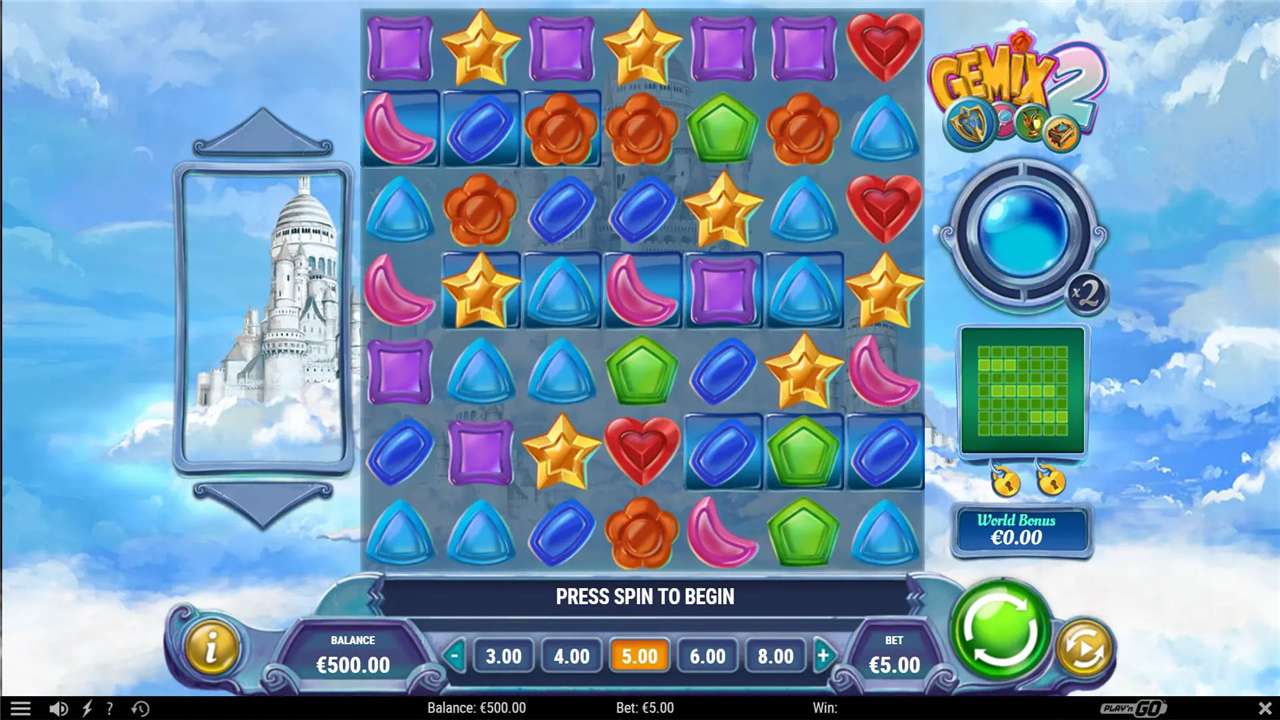
Cluster pays is a slot format that awards wins for groups of touching symbols anywhere on the grid rather than for combinations along a payline. Five or more identical symbols connected horizontally or vertically pay, and position on the grid is irrelevant. NetEnt introduced it commercially and dozens of studios now ship titles on the idea. For the wider market picture, start at our online Canada casinos hub.
The table below sets out how cluster pays works and what it does to a session. Read it first, then work through the detail beneath.
| Aspect | Position |
|---|---|
| Win rule | Groups of touching symbols, usually five or more |
| Grid | Commonly six by six or seven by seven |
| Paylines | None at all |
| Return band | Roughly 94 to 96.5 percent by title and build |
| Cascades | Standard on almost every cluster pays release |
| Canadian routes | Crown corporation sites and Ontario registered operators |
What are cluster pays slots?
Cluster pays slots in Canada award wins when a group of identical symbols touches horizontally or vertically anywhere on the grid. The threshold is usually five symbols, and the award scales sharply as the group grows larger.
No paylines exist and no leftmost reel rule applies. Position is irrelevant as long as the symbols connect.
The shift away from reels is the part worth absorbing first.
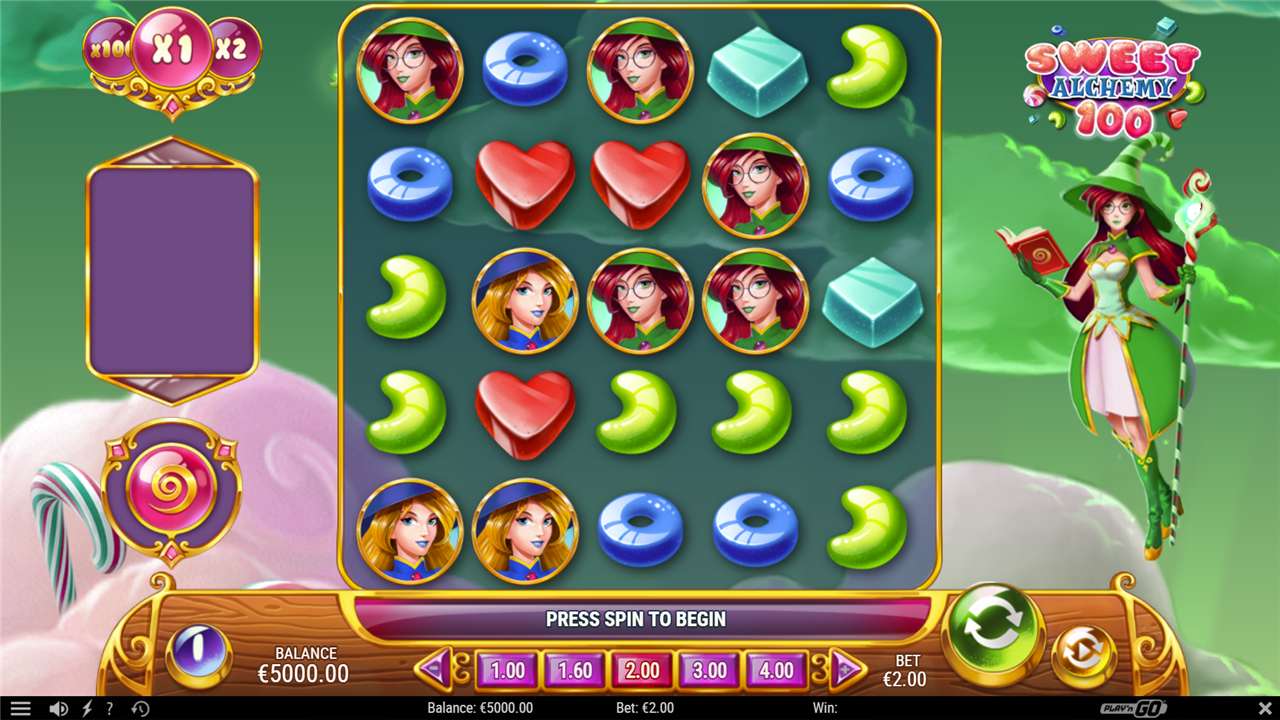
A payline slot defines fixed routes across the grid and pays only when symbols land on one of them.
A ways to win slot removes the routes and keeps the reels, paying for adjacency from the left.
Cluster pays removes both and treats the grid as a single field.
Any five touching symbols pay regardless of where they sit.
Players trained on paylines instinctively scan for horizontal rows and miss vertical groups entirely.
Ten minutes of demo play retrains the eye.
The paytable lists awards by cluster size rather than by line length.
Reading it once per title covers the whole scoring system.
Awards climb steeply as clusters grow.
A fifteen symbol cluster pays many times what a five symbol one does.
One practical habit follows from the scoring rule.
Scan the whole grid rather than the left side, because a cluster pays win can form entirely in the bottom right corner.
Payline players spend years training the opposite instinct.
Ten minutes of demo play corrects it.
The paytable is organised by cluster size rather than by symbol run, so reading it takes a different shape too.
Awards start at the minimum threshold and climb through size bands.
Larger bands pay disproportionately more.
That curve is the whole economy of a cluster pays title.
Three rules define the format completely.
Cluster pays counts touching groups, ignores position, and pays by group size.
Nothing in those three sets a price, which is why two cluster pays titles can cost a Canadian player two points apart.
The panel settles the price separately.
The learning curve is short and worth taking.
Ten minutes in demo mode teaches the scanning habit a cluster pays grid demands.
After that every title in the format reads instantly, which covers hundreds of games in any Canadian lobby.
The format now sits alongside paylines and ways to win as one of three standard scoring systems.
A Canadian lobby carries all three side by side with no visual cue on the tile.
The rules screen names which applies in a single line.
Reading it before the first spin prevents a whole category of confusion.
How does a cluster actually form?
Cluster pays counts symbols as connected when they share an edge. Two symbols touching only at a corner do not join, so a diagonal line of matching symbols forms no cluster at all under standard rules.
That single rule catches out players arriving from payline games. The rules screen states it plainly.
The edge sharing rule has one consequence worth testing.
Two separate groups of four matching symbols sitting side by side but not touching pay nothing at all.
Joining them requires a single symbol bridging the gap.
That is why a near miss on a cluster pays grid looks so painful.
Everything is visible and one position decides whether a large group forms.
Wild symbols exist precisely to bridge those gaps.
A wild landing between two groups merges them into one large cluster.
Titles with frequent wilds feel considerably more generous for that reason.
The rules screen states how wilds behave in the cluster calculation.
Most count as any symbol and a minority carry restrictions.
Wilds change the arithmetic considerably.
A single wild sitting between two groups of four merges them into a cluster of nine, which pays far more than two groups of four would have.
Titles with frequent wilds therefore feel generous without publishing a higher figure.
The rules screen states whether wilds substitute for every symbol.
A minority restrict them or exclude scatters.
Reading that line explains why a cluster pays grid sometimes pays nothing when it looks like it should.
Corner contact never counts.
Edge contact always does.
Edges join and corners do not.
That one rule explains almost every cluster pays grid that looks like a win and pays nothing.
Wilds exist to bridge the gaps corners leave.
Testing the rule in demo mode makes it stick.
Watch a few dozen spins and note which groups pay and which do not.
The edge rule becomes obvious within minutes and never needs relearning.
Symbol density decides how often groups reach the threshold.
A grid with six symbol types produces clusters far more often than one with twelve.
The paytable lists every symbol in the game.
Counting them gives a rough sense of hit frequency before a stake is placed.
Which studio invented cluster pays?
NetEnt brought cluster pays to a mass audience with Aloha Cluster Pays. The idea existed in simpler forms before that, and the commercial template every later title follows came from that release.
No studio owns the mechanic. Dozens now ship versions.
The commercial template mattered more than the idea.
Aloha Cluster Pays combined the grid rule with cascades, a sticky win respin and free spins on one screen.
Every studio copying the format copied that combination rather than the bare rule.
Cluster pays therefore arrived as a package rather than as a scoring change.
Later titles added multiplier ladders, charge meters and symbol upgrades on top.
None changed how a cluster is detected.
That stability is why a player who learns one title reads any of them.
It is also why the format can feel repetitive across a lobby.
Differentiation lives in the feature layers and the mathematics.
Both appear in the panel and the rules screen rather than on the tile.
The format spread because it solved a real problem.
Payline slots had reached a point where adding lines stopped feeling meaningful to players.
Cluster pays offered a genuinely different way to read a win without adding complexity.
Studios adopted it quickly for that reason.
Every major supplier now ships cluster pays titles alongside payline and ways to win releases.
The mechanic is unowned and freely copied.
Differentiation happens entirely in the feature layers built on top.
Those layers are what a player should compare.
Nobody owns the mechanic today.
Every major supplier ships cluster pays titles and the detection rule is identical across all of them.
Feature layers are where studios differ.
The template outlived its author commercially.
Grid, cascade, sticky respin and free spins is still the standard package on new releases years later.
Studios add layers rather than replacing the base.
How is cluster pays different from ways to win?
Ways to win still requires adjacency where cluster pays does not across consecutive reels from the left. Cluster pays removes the reel structure entirely and asks only that matching symbols touch each other somewhere on the grid.
A ways to win slot has reels. A cluster pays slot has a grid.
Comparing the two on one grid makes the difference obvious.
A ways to win slot with five matching symbols scattered across reels one, two and three pays only if at least one sits on each of those reels in sequence.
A cluster pays slot with the same five symbols pays if they touch each other, wherever they are.
Symbols on the rightmost columns can form a winning cluster with nothing on the left at all.
That is impossible under ways to win rules.
The practical effect is that cluster games produce wins in places a payline player does not watch.
Scanning the whole grid rather than the left side is the habit to build.
Both formats certify identically and both publish figures in the same band.
Only the scoring rule differs.
The rules screen states which one applies in a single line.
The practical consequence shows up in hit frequency.
Ways to win requires a symbol on each consecutive reel from the left, which is a demanding condition.
Cluster pays only requires contact, which is easier to satisfy on a dense grid.
So cluster titles produce more frequent small wins and fewer enormous line hits.
The published figure accounts for both distributions.
Neither format pays better across the long run at matched percentages.
They simply distribute the same return differently.
Preference decides which suits a given player.
Reels against a grid is the shortest answer.
Ways to win needs adjacency from the left and cluster pays needs contact anywhere.
Both publish figures in the same band.
Both formats certify identically.
The difference is a scoring rule rather than a fairness or value distinction.
A player who prefers one is choosing how wins are recognised rather than what they cost.
Hit frequency is where the two diverge in practice.
Contact anywhere is an easier condition than adjacency from the left, so cluster pays titles land small wins more often.
Line games concentrate more into rarer larger hits.
The published figure covers both distributions equally.
How is cluster pays different from Megaways?
Megaways varies the symbol count per reel where cluster pays fixes the grid and counts ways across those reels. Cluster pays keeps a fixed grid and counts touching groups, so the two formats resolve wins on completely different principles.
Both frequently cascade. That shared feature is why players confuse them.
Keeping the two apart avoids a common misreading.
Megaways changes how many symbols each reel shows and multiplies those counts into a ways figure.
Cluster pays keeps a fixed grid and looks for touching groups.
A Megaways title displays a live ways counter and a cluster title does not.
That counter is the fastest way to tell them apart at a glance.
Both frequently cascade and both frequently carry climbing multipliers during free spins.
Those shared features are what create the confusion.
Neither engine sets a return figure, so both span the same band.
A player choosing between them is choosing a scoring style rather than a price.
The panel settles the price separately.
Telling them apart takes one glance at the interface.
A Megaways title shows a live ways counter above the reels that changes every spin.
A cluster pays title shows a fixed grid with no counter at all.
Both cascade and both frequently carry multipliers, which is why the confusion persists.
Neither engine sets a return figure and both span the same band.
The panel settles what any individual title costs.
Choosing between the formats is a preference about how wins are read.
It is never a decision about price.
A live ways counter means Megaways.
A fixed grid with no counter means cluster pays, and the shared cascades are what confuse the two.
Neither engine sets a return figure.
Mixed titles exist and confuse the picture further.
A handful of releases apply cluster detection to a variable grid, borrowing from both formats.
The rules screen names whichever combination is running.
Do cluster pays slots use cascading reels?
Almost every cluster pays title cascades. Winning clusters are removed, replacements drop into the gaps, and any new cluster formed by the refill pays again inside the same spin.
The cascade is not part of the cluster rule. Studios pair them because the two combine naturally.
The pairing changes how a session reads more than what it costs.
One press on a cascading cluster pays title can produce six or seven resolutions in sequence.
Each triggers animation and sound as though it were a separate win.
A chain returning less than the spin cost still feels like a run of successes.
The industry calls that a loss disguised as a win and this format produces plenty of them.
The balance below the grid is the only honest scoreboard during a chain.
Watching it across fifty spins with the sound off recalibrates expectations permanently.
Demo mode makes that test free at any licensed Canadian operator.
The published figure already accounts for every chain length.
Counting resolutions rather than money consistently overstates how a session is going.
A minority of titles skip the cascade entirely.
Those resolve once per spin and pay the clusters present without removing anything.
Hit frequency then means what it appears to mean, which is unusual in this format.
Players frustrated by chains that flatter a losing spin find those titles clearer.
They are harder to find because the cascade sells better in a lobby.
The rules screen is the only reliable way to identify them.
Return figures across both groups overlap completely.
Neither structure pays better.
Chains multiply events rather than money.
A cluster pays sequence of six clears can still return less than the spin cost.
The balance is the only honest scoreboard.
Fifty silent spins settle the question for any title.
Turn the sound off, ignore the animations and watch only the balance.
What a cascading grid actually returns becomes obvious immediately.
Chain length is worth watching for its own sake.
Most cluster pays chains stop after one or two clears.
The long sequences that carry the return arrive rarely and account for almost all of the ceiling.
Counting them across a demo session sets the expectation correctly.
What grid sizes do cluster pays slots use?
Six by six and seven by seven dominate cluster pays layouts. Larger grids hold more symbols and produce bigger potential clusters, while smaller grids resolve faster and pay more modestly.
Some titles expand the grid during features. The rules screen states the layout.
Grid size drives the whole feel of a title.
A six by six layout holds thirty-six positions and resolves quickly.
A seven by seven holds forty-nine and produces longer chains with larger potential clusters.
Eight by eight titles exist and push both further.
Larger grids on cluster pays slots increase the chance of a very large group forming during a cascade sequence.
They also dilute individual symbol density, so ordinary spins return less.
That combination raises variance rather than return.
The layout is visible before the first spin and stated in the rules screen.
Titles that expand the grid during free spins state the expanded size separately.
Reading both takes one look.
Grid size interacts with the minimum cluster threshold.
A five symbol minimum on a thirty-six position grid is easier to hit than the same threshold on a forty-nine position one, because symbol density falls as the grid grows.
Studios compensate by adjusting the paytable.
That is why two cluster pays titles with identical thresholds can feel completely different.
The layout and the threshold appear together in the rules screen.
Reading both takes one look.
Expanding grids during free spins change the calculation mid round.
Titles doing that state the expanded size separately.
Six by six and seven by seven dominate cluster pays layouts.
Larger cluster pays grids raise variance by diluting symbol density and enabling bigger groups.
The layout is visible before the first spin.
Expanding grids add a second layer to check.
Titles that grow the field during free spins change the cluster odds mid round.
The rules screen states the expanded dimensions separately.
Position count is the number to note.
Thirty-six, forty-nine and sixty-four are the common totals across the format.
Larger totals mean longer chains and rarer full clears.
Both effects raise variance without touching the published figure.
How big does a cluster need to be?
Five symbols on most cluster pays titles. A minority set the threshold at four or six, and the paytable lists the award for every cluster size from the minimum upward.
Awards rise steeply rather than linearly. A twelve symbol cluster pays far more than double a six symbol one.
The award curve is where the mathematics lives.
A paytable listing five, six, seven, eight and then bands of nine or more is typical.
Awards rise steeply through those bands rather than in a straight line.
A cluster of twenty symbols on a cluster pays grid can pay a hundred times what five pays.
That curve is why the format produces such long tailed outcomes.
Most spins produce nothing or a minimum cluster.
The rare spin producing a large connected group carries the session.
Reading the paytable shows exactly where the curve steepens.
Two titles with identical minimum thresholds can have completely different curves.
That difference is invisible without opening the paytable.
Comparing two paytables shows how much the curve matters.
One title might pay ten times the stake for a fifteen symbol cluster.
Another might pay a hundred times for the same group.
Both can publish the same return figure, because the first pays more often on small clusters and the second concentrates everything in large ones.
That is variance rather than value.
The paytable on a cluster pays title reveals the whole distribution shape.
Reading it is the closest a player gets to seeing the mathematics directly.
Nothing else on screen carries that information.
Five symbols on most cluster pays titles.
The award curve above that minimum is where two cluster pays games with identical thresholds diverge completely.
Only the paytable shows it.
The threshold and the curve work together.
A low minimum with a flat curve pays often and small, and a high minimum with a steep curve does the opposite.
Both appear in the paytable.
Two titles can share a threshold and nothing else.
The award curve above the minimum decides whether a cluster pays game grinds or spikes.
Reading the paytable is the only way to see it.
Nothing on the lobby tile carries that information.
What RTP do cluster pays slots pay?
Cluster pays titles return roughly between ninety-four and ninety-six point five percent depending on the title and the deployed build. The format sets no return figure, so the number belongs to the individual game rather than to the mechanic.
The panel inside the game states the deployed figure. Nothing else does reliably.
The band matches the wider video slot market.
Nothing about counting clusters instead of lines costs return.
What costs return is an enormous advertised ceiling, and cluster titles with climbing multipliers carry those often.
So the correlation between the format and a weaker figure is real and indirect.
Cluster pays titles with modest ceilings publish figures at the top of the band.
Finding them means reading panels rather than filtering on the mechanic.
Across ten thousand spins at fifty cents, two percentage points is a hundred dollars.
The information button inside the game reveals the deployed figure in seconds.
Licensed Canadian operators are required to make it reachable.
Review sites quote studio defaults that operators do not always deploy.
One habit removes the whole problem.
Read the return line the first time you open a cluster pays title at a new operator and note it.
Twenty entries cover a year of play at that site.
Only an operator switching build invalidates an entry, and switches are infrequent.
The note reflects the site you actually use rather than a market average.
Review sites quote studio defaults, which are the highest certified versions.
Almost nobody deploys the highest version everywhere.
Ten seconds per title closes that gap permanently.
The format costs nothing in return.
Cluster pays titles sit in the same band as every other video slot, and large advertised ceilings are what pull individual figures down.
The panel names the deployed build.
Two operators can run one title points apart.
The certified build list allows it and the deployed figure is required to be visible inside the game.
Comparing takes a minute and occasionally moves a deposit.
Recording the figure per title turns selection into a lookup.
Twenty entries take four minutes to compile and cover a year of play at one operator.
Only a build switch invalidates an entry.
Switches happen rarely once a title is live.
What volatility do cluster pays slots run?
Medium to high on most cluster pays titles. The cascade structure concentrates the return into rare long chains, which produces long stretches returning little between larger results.
Low variance exceptions exist and receive less promotion. The rating in the panel names them.
The cascade structure is what drives the variance.
A chain that clears repeatedly and builds a multiplier produces the largest results the format offers.
Those chains are rare by construction.
Between them the grid returns small clusters that barely cover the stake.
Matching the rating to the bankroll is arithmetic rather than preference on a cluster pays title.
A high variance release wants five hundred spins of bankroll before it is a fair test.
A low variance one survives on two hundred.
The rating appears beside the return figure in the panel.
Nothing about the artwork or the grid size communicates it reliably.
One tap settles it.
Session shape follows directly from the rating.
A high variance cluster pays title produces long stretches of small clusters that barely cover the stake, punctuated by a chain that pays properly.
A low variance one keeps the balance moving.
Both publish figures in the same band.
A player with two hours and fifty dollars wants the second.
A player chasing a large result wants the first.
Naming the session before opening the lobby makes the choice immediate.
The rating sits one tap from the spin button.
Medium to high across the format.
Cluster pays chains concentrate the return into rare long sequences, which is the definition of high variance.
The rating states it before a stake is placed.
Bankroll follows from the rating rather than the theme.
Two hundred spins covers medium variance and five hundred covers high.
Stake is the lever that reaches either count from a fixed deposit.
The rating predicts the evening better than the theme does.
A cheerful looking cluster pays title can run harsher variance than a dark one.
Artwork carries no information about the distribution.
The panel does and it takes one tap.
Which cluster pays slots are best known in Canada?
Aloha Cluster Pays, Reactoonz, Sweet Bonanza and Jammin Jars lead the cluster pays field lobby recognition here. All four appear on Ontario registered operators and the first two turn up on crown sites as well.
Each comes from a different studio. Return figures across them differ by more than a point.
Each of the famous titles represents a different design generation.
Aloha Cluster Pays is the original commercial template with sticky wins and free spins.
Reactoonz added a charge meter and escalating character features.
Sweet Bonanza applied the grid rule to a tumble structure with multiplier bombs.
Jammin Jars built the format around a moving wild that multiplies as it travels.
Between them those four cover most of what cluster pays does structurally.
Return figures across them vary by more than a percentage point.
Recognition tracks how widely each was licensed rather than how well any pays.
Testing all four in demo mode costs an hour.
The resulting shortlist beats any published ranking.
Recognition and current value diverge here as elsewhere.
The famous cluster pays titles are the oldest and the most widely licensed.
Newer releases from the same studios frequently publish stronger figures with far less visibility.
Sorting a lobby by release date surfaces them in one click.
Testing five unfamiliar titles alongside the famous four costs an hour in demo mode.
The resulting shortlist reflects numbers rather than name recognition.
That shortlist stays useful for years because cluster titles remain in Canadian lobbies once licensed.
Rechecking the deployed figures occasionally keeps it accurate.
Four titles dominate recognition here.
Each represents a different generation of cluster pays design and each publishes its own figure.
Familiarity tracks licensing rather than quality.
Testing beats reading on this question.
An hour of demo play across four titles teaches more than any ranking article manages.
The shortlist reflects the operator actually being used.
Availability is stable once a title is licensed.
Canadian lobbies keep the established releases in place for years.
That makes a tested shortlist unusually durable in this format.
Rechecking the deployed figures occasionally is the only maintenance needed.
What is Reactoonz known for?
A cluster pays charge meter that fills as groups land and triggers escalating character features. It layers a progression system on top of the cluster rule and became the reference point for feature heavy cluster design.
Volatility runs high. The sequel raised both the ceiling and the variance.
The layered progression is what separates it.
A charge meter fills as clusters land and unlocks a sequence of character features once full.
Each feature transforms symbols, adds wilds or clears sections of the grid.
That progression rewards sustained play on one title rather than hopping between games.
High volatility means reaching the later features takes patience and bankroll.
A short session frequently sees none of them.
The sequel raised the ceiling and the variance together.
Both remain in Canadian lobbies with separate certified builds and figures.
Comparing the two panels takes twenty seconds.
Neither number can be inferred from the other.
Its influence shows across the format.
Charge meters and escalating feature sequences appear on dozens of later cluster pays titles because this one proved the idea worked.
What it also proved is that layered features raise variance sharply.
Each layer takes money from the base game to fund itself.
A cluster title with four feature stages pays less per ordinary spin than one with none.
The published figure covers all of it.
The rating states the resulting variance.
Both sit in the same panel.
Layered features on top of the grid rule.
It proved that progression systems work on a cluster pays base and raised variance in the process.
Every layer is funded from the base game.
Sequels carry separate certified builds.
A number after a familiar name signals different mathematics rather than a continuation.
The panel settles it in ten seconds.
Why do multipliers matter so much in cluster games?
Because a cluster pays cascade chain multiplies the same money repeatedly. A multiplier climbing through successive clears turns a modest sequence into the largest result the title offers, which is where the ceiling comes from.
Titles without a climbing multiplier pay more evenly and cap lower. The rules screen states which applies.
The arithmetic explains the ceiling.
A cascade chain of six clears with a multiplier climbing one step per clear ends at six times whatever the final cluster pays.
Chains of ten or more push that far higher.
Without a climbing multiplier the same chain pays the sum of six ordinary clusters.
That difference is the entire gap between a modest cluster pays title and one advertising twenty thousand times the stake.
Titles with carrying multipliers during free spins push higher still.
Almost all of the maximum win potential lives in those rounds.
The rules screen states whether the multiplier resets between spins.
Reading that line predicts the variance better than the rating alone.
It takes seconds and it is rarely emphasised.
The compounding is what creates the long tail.
A chain of eight clears with a multiplier stepping up each time ends at eight times whatever the final cluster pays.
Chains of fifteen or more push far beyond that.
Almost every famous cluster pays result came from a chain of that kind during free spins.
Almost every disappointing session came from chains ending at two or three.
The distribution favours the short chain overwhelmingly.
The published figure averages both.
Entering with that expectation is what makes the format enjoyable.
Compounding creates the ceiling.
A cluster pays chain with a climbing multiplier ends far above where the same chain would land without one.
The rules screen states whether it carries between spins.
One line in the rules screen predicts the variance.
Carrying multipliers mean extreme outcomes and resetting ones mean a gentler ride.
Nothing on the lobby tile distinguishes them.
Base game and free spins behave differently.
Most cluster pays titles reset the multiplier between base game spins and carry it through a feature round.
That single difference is why features pay so much more than the base game.
The rules screen states both behaviours.
Can Canadians play cluster pays slots legally?
Yes, cluster pays is legal on both licensed routes. Provincial crown corporations carry the established titles, and Ontario registered operators license the newer and harsher entries alongside.
Offshore sites carry everything and answer to no Canadian authority. The catalogue gap is modest.
Route decides breadth rather than access.
Provincial crown corporations curate toward established studios and moderate volatility.
Ontario registered operators license studio catalogues in full and carry the harsher entries.
Both attach a complaints process to the account.
Offshore sites carry every cluster pays title and answer to no Canadian authority when a withdrawal stalls.
Age rules apply on every licensed route.
Nineteen is the minimum outside Alberta, Manitoba and Quebec, where it is eighteen.
Provincial sites restrict play to residents of the province operating them.
Ontario registered operators restrict play to people physically inside Ontario.
Verification happens once when the account opens.
Payment routing separates the licensed routes from the rest.
Licensed Canadian operators settle to a Canadian bank account through Interac and standard cards.
Offshore sites frequently see card transactions declined and push players toward cryptocurrency or third party processors.
Each additional step adds a place for a withdrawal to stall.
On a format producing rare large results, that is exactly the withdrawal a player most wants to arrive cleanly.
The licensed routes remove the risk entirely.
Withdrawals generally return by the deposit method.
Choosing Interac at deposit speeds up the exit too.
Both licensed routes carry the format.
Crown corporations stock the established cluster pays titles and Ontario adds the harsher newer entries.
Nobody here needs an offshore account.
Age and residence rules apply on both routes.
Nineteen is the minimum outside Alberta, Manitoba and Quebec, where it is eighteen.
Verification happens once and lasts for the account.
Responsible gambling tooling sits on both licensed routes.
Deposit limits, loss limits and self exclusion are built into provincial and Ontario accounts.
On a format this absorbing those controls matter.
Setting them takes under a minute in the account settings.
Do crown corporation sites carry cluster pays slots?
The familiar cluster pays titles, yes. Crown catalogues favour established studios and moderate volatility, which admits the older cluster titles while leaving out several newer extreme releases.
Ontario carries the full range. Every province reaches the classics.
What crown catalogues screen for explains the pattern.
Selection favours studios with a long track record and mechanics players already understand.
Cluster pays passes both tests because the rule is easy to explain and the leading titles come from established suppliers.
Volatility is where individual titles fail.
The extreme end of the format sits outside what a crown catalogue stocks.
Aloha and Reactoonz usually make the cut.
Newer high variance cluster releases frequently do not.
A player wanting the full range needs an Ontario registered operator.
Every province reaches the classics through its crown site.
The game list on each site confirms availability in one visit.
Checking availability before registering avoids disappointment.
Every provincial crown site publishes a searchable game list.
Searching for a specific cluster pays title returns an immediate answer.
A player whose shortlist appears has no reason to look further.
Ontario residents can register with a private operator carrying the full range instead.
Residents elsewhere weigh a curated licensed catalogue against an unsupervised offshore one.
For most recreational bankrolls the curated catalogue is sufficient.
The check takes one visit and no account.
The familiar cluster pays titles, yes.
Crown catalogues admit cluster pays titles from established studios and leave out the extreme volatility releases.
A searchable game list confirms it in one visit.
Curation explains what is present and absent.
Established studios and moderate volatility pass the filter and extreme releases do not.
The province publishes the list either way.
Do cluster pays slots have bonus buys?
On part of the cluster pays catalogue where the market permits it. A purchase costs a fixed multiple of the stake and drops the player into the free spins round without waiting for a natural trigger.
Crown sites generally leave the feature out. Ontario operators carry it selectively.
The value question has a clean answer.
Buying converts a variable wait into a fixed cost, and the published return on the purchase says whether the price is fair.
Anything at or above the base game figure is priced correctly.
Buying into a cluster pays free spins round does not reduce the variance inside it.
A purchased round can end with short chains and almost nothing to show.
Ten consecutive purchases returning little is an ordinary sequence.
Bankroll requirements rise rather than fall when buying features.
Most operators void an active bonus if a purchase is made while wagering is live.
The terms page names that restriction and the game does not.
Crown sites generally leave the feature out entirely.
Availability splits by route in Canada.
Offshore lobbies carry the feature almost universally.
Ontario registered operators carry it on part of the catalogue depending on the studio build.
Provincial crown sites generally leave it out.
A cluster pays title showing a buy button at one Canadian site and not another is running two different market builds.
Neither version is more or less certified.
The rules screen names which is present.
The terms page names whether using it voids an active bonus.
Where the market permits, on part of the range.
Buying into a cluster pays free spins round keeps the whole variance and removes only the wait.
Crown sites generally leave the button out.
Two published figures settle whether a buy is fair.
The base return and the purchase return appear separately where the feature exists.
Comparing them takes one read.
How do free spins work on cluster pays slots?
Cluster pays free spins usually run a multiplier that persists across the round. Scatters trigger the feature and the multiplier carries between spins rather than resetting, which is where the largest results concentrate.
Extra scatters during the round add spins. That structure is close to standard.
The persisting multiplier is the structural signature.
In the base game a cascade multiplier usually resets at the end of each spin.
During free spins it carries forward across the whole round.
A round with many chains therefore ends at a multiplier the base game never reaches.
That single rule is where almost all of the maximum win potential lives on a cluster pays title.
Extra scatters landing during the round add spins and more chances to climb.
Rounds that end early with a low multiplier return very little.
Rounds that run long return the amounts the format is known for.
The distribution is heavily weighted toward the first.
The published figure accounts for both.
Retriggers extend the compounding substantially.
Extra scatters during the round add spins, and every added spin lets the multiplier climb further.
A round that retriggers twice can run far longer than the base award suggests.
Because the multiplier never resets, those later spins are worth many times the early ones.
Almost all of the ceiling on a cluster pays title lives in long retriggered rounds.
Rounds ending at the base award return modestly.
The rules screen states the retrigger conditions.
They vary more than the multiplier rules do.
The persisting multiplier is the signature.
Almost all of the ceiling on a cluster pays title lives in long rounds where the multiplier never resets.
Short rounds return modestly.
Round length decides almost everything.
A short feature returns modestly and a long retriggered one produces the results the format is known for.
The distribution favours the short round heavily.
Are cluster pays slots good for a small bankroll?
It depends on the cluster pays title. Low variance cluster games stretch a modest deposit across a long session, while the high variance releases consume the same money before a meaningful chain arrives.
Minimum stakes start around twenty cents. The rating decides survivability rather than the stake.
Spin count is the measure that decides it.
A bankroll needs enough presses to reach the chains that carry the return, which means two hundred on a medium volatility title and five hundred on a high one.
Most cluster pays releases sit toward the higher end.
Fifty dollars at twenty cents buys two hundred and fifty spins, which is thin on the harsher titles.
Dropping to ten cents doubles the count at the same expected percentage.
The low variance corner of the format stretches a deposit furthest.
Those titles receive almost no promotion.
The rating in the panel identifies them in one look.
Artwork gives no clue at all.
Demo mode shows the pattern before any money moves.
Stake control is the lever that matters.
Most cluster pays titles start around twenty cents, so a fifty dollar deposit buys two hundred and fifty spins.
Dropping to ten cents doubles that at the same expected percentage.
On a high variance title the extra spins are what reach the chain that pays.
Raising the stake shortens the session without improving anything.
The arithmetic favours patience on every volatile format.
Demo mode shows how often chains arrive before any money moves.
Licensed Canadian operators offer it widely.
Only with the right volatility.
A low variance cluster pays title stretches a modest deposit properly and a high variance one consumes it fast.
Stake is the lever that changes spin count.
Spin count is what a small deposit needs.
Dropping the stake buys more chances at the chains that carry the return.
The expected percentage never moves with the bet size.
Are cluster pays slots fair?
Certified cluster pays titles are independently tested. Laboratories examine the random number generator, the symbol distribution, the cluster detection logic and the cascade behaviour before a game reaches a licensed operator.
Every element that touches an outcome sits inside certification. Regulators audit compliance afterwards.
The certification boundary is worth understanding precisely.
Laboratories test the random number generator, the symbol distribution, the cluster detection logic, the cascade behaviour and the multiplier rules.
Every element that touches an outcome sits inside that boundary.
Artwork, sound and the celebration animation sit outside it because none can influence a result.
A cluster pays title from a certified studio on a licensed Canadian site carries the same assurance as any three reel classic.
Regulators audit ongoing compliance rather than trusting the original certificate indefinitely.
The testing laboratory is named in the operator footer and maintains public records.
Cross checking a title against that record takes one search.
An unlicensed site carries none of that regardless of its footer claims.
The provincial register separates the two.
Verification is open to anybody who wants it.
Licensed Canadian sites name their testing laboratory in the footer and those laboratories publish records of certified titles.
Cross checking a cluster pays release takes one search.
Almost nobody does it and the option existing keeps the system honest.
What genuinely protects a balance is the operator rather than the game.
A certified title on an unregistered site leaves a stalled withdrawal nowhere to go.
The provincial register is public and unambiguous.
One search settles it.
Certification covers the whole calculation.
The detection logic and the cascade behaviour on a cluster pays title are tested before release.
The operator is the part a player checks.
The register outranks every other check.
A certified title on an unregistered site leaves a stalled withdrawal with nowhere to go.
Searching the provincial register takes seconds.
Complexity and opacity are different things here.
Detecting touching groups across a large grid involves more computation than reading a payline.
Every step of it sits inside the certified build and the laboratory testing.
Nothing about the difficulty of following a chain affects the mathematics.
Do cluster pays slots work on mobile?
Cluster pays runs well on square grids. A six by six or seven by seven layout fits a portrait phone screen better than a wide six reel grid, which is a genuine advantage of the format.
Cascades animate constantly and demand more from older hardware. Demo mode settles any individual title.
The square grid is a genuine advantage on a phone.
A six by six layout fits a portrait screen naturally, with the grid centred and controls beneath.
Compare that against a six reel Megaways grid showing forty-two symbols across a wide layout.
Cluster pays titles read considerably better at small sizes.
What they demand is frame rate, because cascades animate constantly.
A phone from the last three or four years handles it without difficulty.
Older hardware shows dropped frames during long chains rather than outright failure.
Data consumption runs moderate to high across a session.
Demo mode on the actual device answers all of it in two minutes.
Licensed Canadian operators offer it across most of the catalogue.
The square layout is the underrated advantage.
A portrait phone screen is taller than it is wide, which suits a square grid far better than a wide reel set.
Symbols stay large and the whole cluster pays field remains visible without scrolling.
That is genuinely better than most formats manage on a phone.
What it demands is frame rate during cascades.
A phone from the last three or four years handles it comfortably.
Older hardware drops frames during long chains rather than failing.
Demo mode on the actual device settles it in two minutes.
Better than any wide reel format.
A square cluster pays grid fits a portrait phone screen naturally with symbols staying large.
Cascades demand frame rate rather than screen space.
Portrait suits a square field naturally.
Symbols stay large and the whole grid remains visible without scrolling on a modern phone.
Older conversions vary more than current releases.
What is the biggest criticism of cluster pays?
Cluster pays draws criticism for loss disguised as win sequences. A chain of small clusters returning less than the spin cost triggers celebration animation, which reads as paying when the balance says otherwise.
The criticism is fair and the balance display is the remedy. Watching it rather than the animation gives an accurate reading.
A second criticism sits alongside the first.
Grid formats make it genuinely hard to see how a win was calculated.
A player watching twenty symbols clear across three cascades cannot verify the award without opening the paytable.
Payline games make the same information visible on screen.
That opacity is a design consequence rather than dishonesty, because certification covers the calculation.
It does mean a player has to trust the display more than on simpler formats.
The balance figure is the check that always works.
Watching it across fifty spins reveals what a cluster pays title is actually doing.
Celebration animation reveals nothing.
The two frequently disagree.
A defence belongs beside the criticism.
Every entertainment product is designed to hold attention and cascading grids do it particularly well.
Nothing about the design changes the certified mathematics.
What it changes is how easily a player reads their own position.
Deposit and loss limits at a licensed Canadian operator cap the total regardless of how absorbing a cluster pays session becomes.
Those tools sit in the account settings rather than in the game.
Setting them takes under a minute.
They apply to every title equally.
Chains that flatter losing spins.
Cluster pays produces more of those than any other format because each clear triggers its own celebration.
The balance display is the whole remedy.
Awareness is the only defence that works.
Recognising a chain that flatters a losing spin costs nothing and changes how a session reads.
The balance figure never lies.
Who should play cluster pays slots?
Cluster pays suits players who enjoy watching a grid resolve repeatedly from one press. The format delivers more visible events per spin than any payline game and reads clearly on a phone.
Players clearing bonuses or wanting steady returns are better served elsewhere.
Naming who the format suits badly closes the question.
Players clearing a wagering requirement want steadiness and return, and the harsher cluster titles offer neither.
Players funding fewer than two hundred spins rarely reach a chain that matters.
Players who find loss disguised as win sequences irritating will find plenty here.
Everybody else with a sized bankroll gets a format that reads well, fits a phone and produces more visible events per spin than anything else.
Setting a deposit or loss limit before starting is the correct response to the variance.
Licensed Canadian operators build both into the account settings.
Setting them takes under a minute.
They apply regardless of which title is open.
The rating states the shape in advance.
One group is worth naming specifically.
Players who dislike waiting through long feature animations get an outcome resolving in seconds with visible progress throughout.
A cluster pays chain shows exactly what is clearing and what is refilling.
Nothing hides behind a cutscene.
That transparency suits anybody who wants to follow their own session.
The trade is a base game that returns little between the chains that matter.
Bankroll has to cover that gap.
The rating states how wide the gap usually is.
Players who want visible progress.
A cluster pays chain shows every clear and refill as it happens with nothing hidden behind a cutscene.
The price is a quiet base game.
Preparation matters more than title choice.
Size the bankroll for the variance, set a limit and read the multiplier rule first.
Licensed Canadian operators supply the limits in the account settings.
What should you check before playing a cluster pays slot?
Four numbers and one licence. The deployed return figure, the volatility rating, the minimum cluster size and whether the free spins multiplier carries, plus confirmation that the operator holds provincial registration.
All five are published. Demo mode at a licensed operator covers the rest for free.
The multiplier question deserves its place on the list.
Whether the free spins multiplier carries or resets predicts the variance and the ceiling better than anything else about a cluster pays title.
Titles with a carrying multiplier sit at the extreme end.
Titles resetting it pay more often and cap lower.
Nothing on the lobby tile communicates which is which.
Recording the answers turns the routine into a permanent reference.
A note per title covering the deployed return, the volatility rating, the minimum cluster size and the multiplier behaviour covers everything.
Twenty titles logged this way cover a year of play.
Demo mode makes the compilation free at every licensed Canadian site.
Two minutes per title is the entire cost.
Recording the answers makes the routine compound.
Five fields per title covering the deployed return, the volatility rating, the minimum cluster size, the grid layout and the multiplier behaviour describe everything a cluster pays game does.
Twenty titles logged takes under an hour.
Only the return figure changes and only when an operator switches build.
A personal record beats any published ranking because it reflects the operator being used.
Demo mode makes the compilation free.
Two minutes per title is the entire cost.
Nothing else about the format requires research.
Five checks, two minutes, once per title.
Licence, deployed return, volatility, minimum cluster size and multiplier behaviour cover every cluster pays title a Canadian lobby carries.
Only the return figure changes.
The record outlives every ranking article.
Twenty titles logged with five fields each answers future selection questions instantly.
Only the deployed figure ever needs rechecking.
The licence check comes before any game question.
Confirming provincial registration settles recourse before the return figure matters at all.
The register is public and the search takes seconds.
Everything else follows from being on the right side of that list.
Which slot pages are worth reading next?
One scoring rule is a slice of a Canadian lobby holding thousands of titles across a dozen formats. The pages below cover the neighbouring choices.
- Grids that clear winners and refill from above
- The engine that recounts the ways on every spin
- How to judge any slot on three measures
- The studio that brought the format to a mass audience
- Money symbols that lock while the counter resets
Reading across formats sharpens judgement on any single one.
A cluster pays grid compared against a payline slot shows exactly how differently the same house edge can be presented.
Each link below narrows a Canadian lobby by a different property.
Each page below narrows a lobby a different way.
Read them alongside this one and a cluster pays grid stops being the only format you recognise.
Comparing formats is how judgement improves.
A grid that clears and refills reads nothing like a payline slot at the same published figure.
The format changes how a win is recognised and nothing about what a title pays. Read the panel, check whether the multiplier carries, and a grid full of touching symbols becomes readable rather than mysterious.
2 thoughts on “Cluster Pays Slots Canada: Touching Symbols Instead of Paylines”