
No Canadian province licenses a VR casino, and no operator anywhere runs one for real money at scale. What exists is a small set of virtual reality poker and slot environments playing for chips rather than cash, a longer list of announcements that never shipped, and a supervised online market that has shown no interest in headsets. This page separates what a Canadian player can actually put on a headset today from what the industry keeps promising, and covers where the licensing, the hardware and the economics stand. For the wider market picture, start at our online Canada casinos hub.
The table below sets out the VR position for a Canadian player. Read it first, then work through the detail beneath.
| Aspect | VR casino in Canada |
|---|---|
| Licensed VR casino | None in any province |
| Real money VR gambling | Not available from a licensed Canadian route |
| What exists instead | Social VR poker and casino apps, play money only |
| Main platform | Meta Quest headsets |
| Best known title | Vegas Infinite, formerly PokerStars VR |
| Live dealer streaming | The closest real money equivalent |
| Ontario position | No VR specific rules, no registered VR operator |
| Main obstacle | Headset ownership, not regulation |
| Age rule if it arrived | Eighteen or nineteen, by province |
Is there a VR casino in Canada?
No province or territory licenses a VR casino, and no registered operator in Ontario offers a virtual reality product, which makes real money VR gambling unavailable through any supervised Canadian route.
Offshore operators have announced VR products repeatedly without shipping them.
What a Canadian player can reach today is social VR gambling for play chips.
The distinction between those two is the whole of this page.
Holding one distinction through the rest of this page makes every claim easy to sort.
Social VR gambling exists and real money VR gambling does not.
The first is downloadable today, free, and handles no cash at any point.
The second is announced constantly and has never shipped in a regulated market.
A player searching for a VR casino meets marketing describing the second while linking to the first.
Reading which of the two an app actually is takes one look at whether a withdrawal option exists.
Readers who take one thing from this page take the split between social VR and real money VR.
Every section below sits on one side of it.
A search from any Canadian address returns pages describing a product nobody has launched.
Affiliate listings for VR casinos are usually listing browser operators with a headset viewer.
Nothing on the rest of this page contradicts that opening summary.
One side of the split is downloadable and free, and the other has never shipped.
Affiliate pages describing VR casinos are describing the second while linking to browser operators.
Reading the store listing rather than the marketing settles it in seconds.
A player who holds the split will never mistake one for the other.
Social VR is downloadable and real money VR is a press release.
Everything below sits on one side of that line.
A withdrawal option is the fastest test of which side an app belongs to.
No provincial register lists a VR operator anywhere in the country.
That single fact settles the question a search result obscures.
What is a VR casino supposed to be?
A VR casino places a player inside a rendered gaming floor wearing a headset, where they walk to tables, sit down, handle chips with motion controllers and see other players as avatars.
Slots appear as three dimensional cabinets rather than as a browser window.
Dealers are either rendered characters or streamed video placed inside the scene.
Voice chat between players is usually part of the design.
The vision has been stable for a decade and the execution has not.
Rendered floors, avatar players, motion controlled chips and spatial voice chat appear in every concept video.
Vegas Infinite delivers all four of those with play chips.
Adding real money to that experience is a licensing and commercial problem rather than a technical one.
Nothing in the concept requires technology that does not already work.
What it requires is an audience large enough to pay for the build.
Concept and execution have not converged in a decade of trying.
The rendered venue, the avatars and the motion controls all work today in social apps.
What has never been attached to them is a licensed real money wallet.
That missing piece is commercial rather than technical.
Every element of the concept already exists in shipped software.
Rendered venues, avatars, motion controls and voice chat all work today.
Attaching a licensed real money wallet is the step nobody has taken.
Commercial appetite rather than engineering explains the gap.
The concept video has been accurate for years and the market has not followed.
The concept has been achievable for years and unfunded for just as long.
Rendering is solved and licensing plus economics are not.
Vegas Infinite proves the experience works without the money attached.
Walking a floor, sitting at a table and handling chips describes the whole pitch.
Social apps already deliver every part of it.
Can you gamble with real money in VR from Canada?
Real money VR gambling is not available to Canadian players from any licensed operator, and the offshore products advertising it are almost always browser casinos with a headset compatible viewer rather than native VR.
A browser casino viewed inside a headset is a large floating screen.
Nothing about that experience is what VR marketing describes.
Checking whether an app is native or a viewer takes one look at the store listing.
Two products get confused constantly and separating them ends most of the confusion.
A native VR casino renders the environment and runs on the headset directly.
A browser casino in a headset shows the same web page on a virtual screen floating in space.
The second requires no development from the operator and delivers none of the experience.
Operators advertising VR compatibility almost always mean the second.
Checking whether an app exists in the headset store settles which one is on offer.
Checking which product is on offer takes one question.
Is there an app in the headset store, or is this a website opened in a headset browser?
A website in a browser is a floating screen with none of the VR experience.
Operators advertising VR compatibility almost always mean exactly that.
A headset browser renders a website on a curved screen in an empty room.
That experience is worse than a laptop rather than better.
Native VR requires an application built for the headset, and none handles real money.
Operators using the word compatible are describing the browser case.
The store listing is the fastest way to tell them apart.
Headset compatible almost always means a website on a floating screen.
Native VR means an application built for the device.
Nothing in the second category handles Canadian real money.
Native applications and browser viewers are different products sold under one word.
Only the first is what VR marketing describes.
What is Vegas Infinite and can Canadians use it?
Vegas Infinite, formerly PokerStars VR, is a free social casino for Meta Quest headsets offering poker, blackjack, roulette and slots for virtual chips, and Canadian players can download and use it.
No real money changes hands on the tables.
Chips are purchased or earned and cannot be cashed out.
It is the closest thing to a functioning VR casino that exists.
The product history explains why it is the reference point for the whole category.
PokerStars built it, ran it for years and then spun it out under a new name.
Poker remains the strongest part, with real tables, real opponents and voice chat.
Blackjack, roulette and slots sit alongside it in the same rendered venue.
Chips are purchased with real money and cannot be converted back.
That one restriction is what keeps it outside gambling regulation entirely.
Nothing in the app can be cashed out, which is what keeps it outside provincial regulation.
Chips bought with real money stay chips permanently.
Canadian players face no geographic restriction on downloading it.
It is free, and the spending happens inside rather than at the door.
Poker is the strongest room in the product and the reason most people stay.
Real opponents, real time voice and physical chip handling all work well.
Blackjack, roulette and slots occupy the rest of the venue.
Chips purchased with real money never convert back.
That one design decision keeps the whole product outside gambling law.
Free to download, chips purchasable, nothing convertible back.
Canadian players face no geographic block.
Spending happens inside the app rather than at the door.
Poker carries the product and the rest of the venue fills it out.
Nothing inside converts to cash at any point.
Do social VR casinos count as gambling?
Social VR casinos sit outside provincial gambling regulation because no prize of monetary value is available, which is the same test that keeps social casino apps on phones outside the framework.
Purchasing chips is a purchase rather than a wager.
No provincial licence is required to operate one.
No provincial protection applies to anybody using one.
The legal test turns on the prize rather than on the wager.
Staking something of value on an uncertain outcome for a prize of value is gambling.
Social casinos remove the third element by making chips non redeemable.
Purchasing chips is therefore a purchase of entertainment rather than a bet.
Provincial regulators take no interest and provincial protections do not apply.
Spending in a social VR casino carries none of the limits a licensed account would impose.
Chip purchases in a social VR casino carry no deposit limit, no loss limit and no exclusion register.
Provincial tools exist only where provincial licensing does.
A player who spends heavily on chips has no framework protecting them at all.
That gap deserves more attention than it usually gets.
The prize test rather than the wager test decides the classification.
Non redeemable chips remove the prize and remove the activity from the definition.
Provincial deposit limits, loss limits and exclusion registers therefore do not apply.
A heavy spender inside a social VR casino has no framework protecting them.
That absence deserves more attention than the category usually gets.
No redeemable prize means no gambling under provincial law.
No licence is required and no protection applies.
Chip spending sits outside every provincial limit.
Spending on chips is unlimited by any provincial tool.
The absence of a prize is what removes the whole framework.
Why has no licensed VR casino launched?
Headset ownership is the obstacle rather than regulation, because an operator building a VR product reaches a fraction of a percent of the audience a browser reaches for a fraction of the development cost.
Quest headsets sit in a minority of Canadian households.
Session lengths in VR are shorter than on a phone.
Neither figure supports the investment a native casino would require.
Running the arithmetic explains the absence more clearly than any regulatory argument.
A browser casino reaches every adult with a phone.
A VR casino reaches the minority who own a headset, are willing to wear it for a gambling session, and live somewhere the operator is licensed.
Development costs more and the reachable audience is orders of magnitude smaller.
No operator has found a version of that calculation that works.
Headset adoption rather than regulation is the variable that would change it.
Headset ownership in Canada sits far below the threshold an operator would need.
Session lengths in VR run shorter than on any other device.
Development costs more per player reached than any other channel.
Three unfavourable numbers together explain a decade of announcements without launches.
Three numbers work against the build and all three are structural.
Headset ownership sits in a small minority of Canadian households.
Average session length in VR is shorter than on a phone or a laptop.
Development cost per reachable player is the highest of any channel.
No operator has found an arrangement of those figures that pays.
Small audience, short sessions and high build cost together.
Regulation has never been the binding constraint.
Headset adoption is the number that would change the answer.
The economics have never worked and nothing suggests they are about to.
Regulation was never what stopped it.
Is VR gambling legal in Canada?
Nothing in Canadian law addresses virtual reality specifically, so a VR casino offering real money play would fall under the same provincial rules as any other online casino.
Conducting and managing gaming remains a provincial power.
An operator would need provincial authorisation exactly as a browser operator does.
The medium changes nothing about the legal test.
Two separate questions hide inside the word legal and separating them removes the confusion.
Would a real money VR casino be lawful in Canada? Only with provincial authorisation, exactly like any other online casino.
Can a Canadian play at an offshore one? Yes, with no provincial recourse, exactly like any other offshore site.
The Criminal Code reserves conducting and managing gaming to the provinces regardless of delivery medium.
Nothing about a headset creates an exception in either direction.
The medium is invisible to the legal test.
Provincial authorisation is the test and the medium is irrelevant to it.
A VR operator would need the same licence a browser operator needs.
A Canadian playing offshore in VR has the same absent recourse as one playing offshore in a browser.
Nothing about the headset changes either answer.
Provincial authorisation decides it and the display technology is irrelevant.
An operator would need a provincial licence exactly as a browser operator does.
A Canadian playing offshore in VR carries the same absent recourse as anybody offshore.
Enforcement attention falls on operators rather than on players in both cases.
The headset changes nothing on either side of the question.
Provincial authorisation is the test and the medium is irrelevant.
Players carry no legal exposure either way.
Operators carry the authorisation question exactly as they do online.
Authorisation of the operator rather than permission for the player is the question.
The headset is invisible to that test.
Could Ontario license a VR casino?
Ontario could register a VR operator under its existing framework without new legislation, because the province regulates operator conduct rather than the technology a game is delivered through.
Verification, limits and dispute rules would apply unchanged.
No operator has applied with a VR product.
The absence reflects commercial appetite rather than a regulatory barrier.
The Ontario framework is technology neutral by design.
Registration conditions cover verification, limits, advertising, dispute handling and game certification.
Every one of those transfers to a headset without modification.
An operator arriving with a VR product would face the same process a browser operator faces.
No application has been made, which places the gap on the commercial side.
Ontario is the only Canadian jurisdiction where such an application would have a route at all.
The framework is ready and the applicant is missing.
Registration conditions cover conduct rather than technology.
Verification, limits, advertising and dispute rules all transfer to a headset unchanged.
Ontario is the only Canadian jurisdiction where the route exists at all.
Registration conditions in Ontario describe conduct rather than technology.
Verification before play, deposit limits, advertising standards and dispute handling all transfer unchanged.
Game certification requirements apply to the mathematics rather than to the rendering.
An operator arriving with a VR product would face the ordinary process.
The absence of any applicant is the whole story.
The framework is technology neutral and ready.
No operator has applied with a VR product.
The gap is commercial rather than regulatory.
Conduct rules transfer to a headset without amendment.
Ontario is the only Canadian route where the application would go anywhere.
What about crown corporations and VR?
Provincial crown corporations run curated catalogues aimed at broad accessibility, which makes a headset dependent product close to the opposite of what their mandates favour.
PlayNow, PlayAlberta, Loto-Quebec and Atlantic Lottery have announced nothing.
Each serves a population where headset ownership is marginal.
Nothing suggests any of them is considering it.
Crown mandates pull in the opposite direction from headset gambling.
Accessibility, broad appeal and conservative game selection describe every provincial catalogue.
A product requiring a several hundred dollar device fails the first test immediately.
Curated libraries already exclude mechanics far more mainstream than VR.
Nothing published from any crown corporation mentions virtual reality.
The silence is consistent rather than surprising.
Crown catalogues exclude mechanics far more mainstream than virtual reality.
Broad accessibility is the mandate and a several hundred dollar device fails it.
No provincial corporation has published anything on the subject.
Consistent silence rather than active rejection describes the position.
Provincial catalogues run conservative across every category.
Mechanics far more mainstream than VR are already excluded from them.
A product requiring a several hundred dollar headset fails the accessibility mandate outright.
No crown corporation has published a word on the subject.
Consistent silence rather than active refusal describes it.
Accessibility mandates and headset dependence pull in opposite directions.
Nothing has been published by any provincial corporation.
Curated libraries already exclude far more mainstream mechanics.
Nothing published, nothing announced, nothing consulted on.
The mandate explains the silence completely.
What hardware would a Canadian player need?
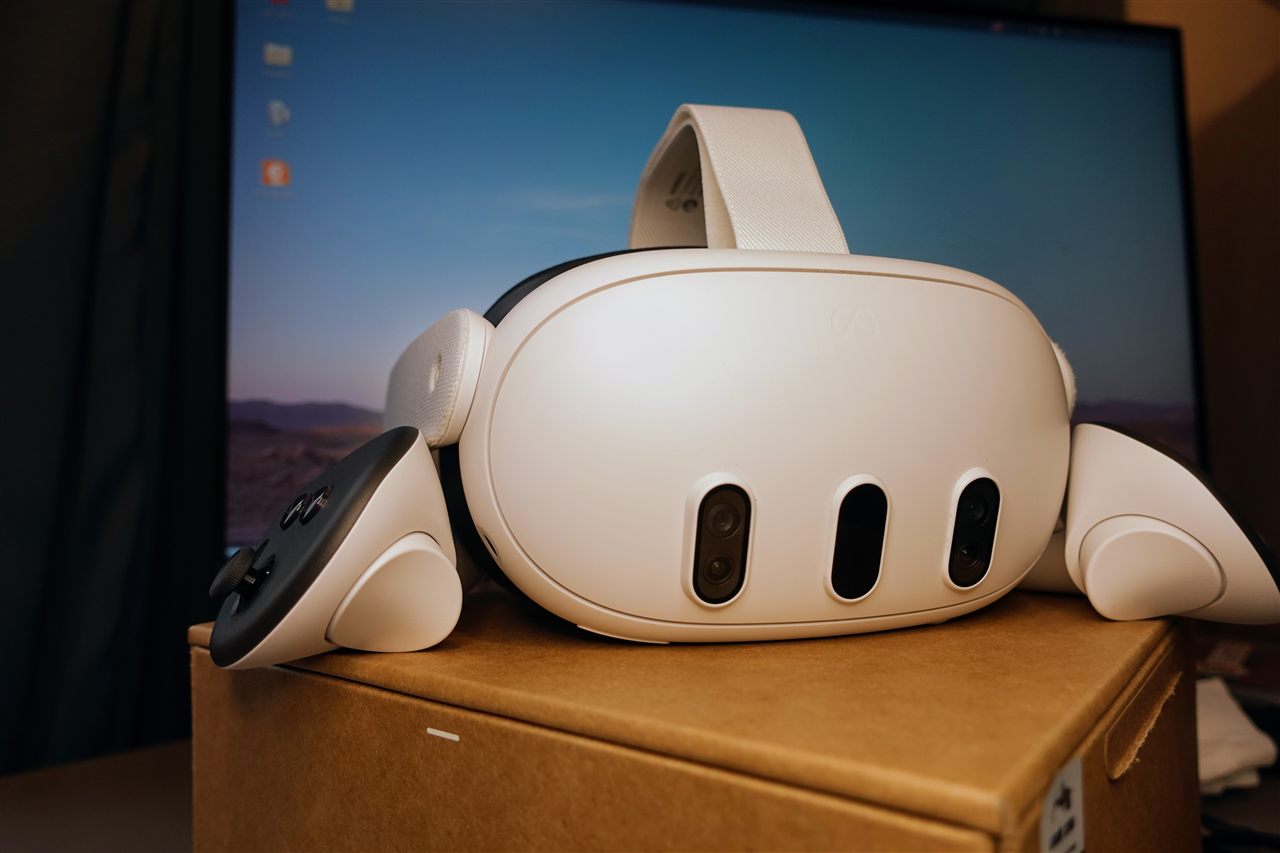
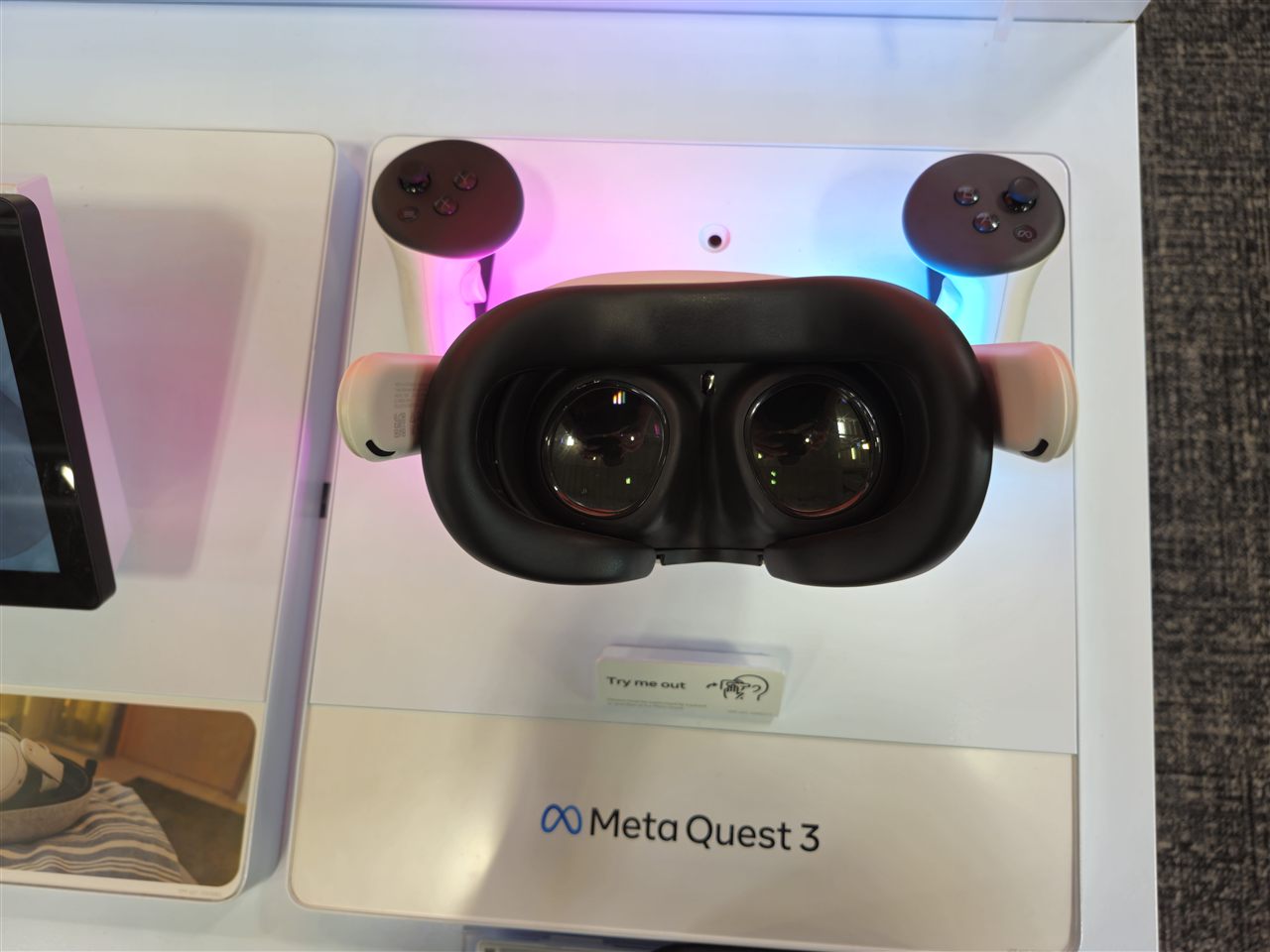
A standalone Meta Quest headset covers everything currently available, and a tethered headset with a gaming computer covers the small number of PC based experiences.
Quest hardware sits between three and eight hundred dollars depending on the model.
No additional equipment is required for the social apps.
Hand tracking and controllers both work in the major titles.
The hardware question is simpler than the software one.
Meta Quest headsets run standalone and require no computer.
Everything currently available in the category runs on them.
PC tethered headsets add graphical quality and a computer requirement most players will not meet.
Controllers ship with the headset and hand tracking works in the major titles.
Nothing beyond the headset itself is needed to try the category today.
A standalone Quest headset covers everything in the category today.
No computer, no external sensors and no additional purchase are required.
PC tethered setups add fidelity and a hardware requirement most players will not meet.
Hardware is the smallest obstacle in this whole picture.
Standalone headsets removed the computer requirement that held the category back.
Everything available today runs on a Quest without anything else attached.
Controllers ship in the box and hand tracking works in the major titles.
PC tethered setups add fidelity nobody in this category needs.
Hardware is the smallest obstacle in the entire picture.
A standalone Quest headset and nothing else.
Controllers ship in the box and hand tracking works.
Hardware is the least of the obstacles here.
One standalone headset covers the entire category.
Nothing else is required to try it today.
How does live dealer compare with VR?
Live dealer streaming delivers most of what VR promises, because a real dealer, a real table and real time interaction already exist in a format that runs on any device a player owns.
What live dealer lacks is spatial presence and player avatars.
What it has is real money play under a provincial licence.
For a Canadian player wanting immersion with recourse, it is the practical answer.
Comparing the two honestly favours live dealer on almost every practical measure.
A live table streams a real dealer handling real cards in real time.
The player sees the same game every other player at the table sees.
Real money moves under a provincial licence with verification, limits and dispute escalation attached.
What is missing is walking around a room and seeing avatars.
Weighing spatial presence against provincial recourse is not a close contest for most players.
Live dealer already supplies a real dealer, a real table and real time play.
What it lacks is spatial presence and avatars.
What it has is real money under a provincial licence with recourse attached.
For most Canadian players wanting immersion, that trade settles the question.
Live dealer solves the immersion problem with technology that already reaches everybody.
A real dealer deals real cards on a stream any device can display.
Real money moves under a provincial licence with verification and limits attached.
Spatial presence and avatars are what it lacks.
Weighing those against provincial recourse is not close for most players.
Real dealer, real table, real money, provincial licence.
Missing only spatial presence and avatars.
That trade favours live dealer for most players.
Immersion with recourse beats immersion without it.
Live dealer supplies the first and VR currently supplies neither.
Are VR slots different from online slots?
VR slots run identical mathematics to browser slots and differ only in presentation, because the reels, the paytable and the random number generator are unchanged by rendering the cabinet in three dimensions.
RTP is a property of the game rather than of the display.
Nothing about a headset alters a return figure.
Players expecting different odds in VR are expecting something the medium cannot provide.
The mathematics is unchanged and only the presentation moves.
A slot is a random number generator, a reel mapping and a paytable.
Rendering the cabinet in three dimensions touches none of those.
Return figures, volatility and hit frequency stay exactly where the studio set them.
Players expecting a headset to alter the odds have misunderstood what a slot is.
What VR changes is how long a session feels rather than what it returns.
The random number generator does not know what device is displaying it.
RTP, volatility and hit frequency are properties of the game rather than of the screen.
A three dimensional cabinet renders the same reel mapping a browser renders flat.
Presentation changes and mathematics does not.
A slot is a random number generator, a reel map and a paytable.
None of those three is touched by rendering the cabinet in three dimensions.
Return, volatility and hit frequency stay exactly where the studio set them.
Reading the RTP inside the game still matters and still gives the same answer.
What changes is how long a session feels rather than what it pays.
Identical mathematics, different presentation.
RTP belongs to the game rather than to the screen.
A headset cannot change a return figure.
Reading the RTP inside the game still applies and still returns the same number.
Only the cabinet changes.
What would VR change about responsible gambling?
Immersion is the concern regulators raise about VR gambling, because a rendered casino removes the ordinary cues that mark time passing and separates a player from their surroundings.
Deposit limits and session reminders work identically in any medium.
Delivering a reminder inside a headset is a design problem rather than a technical one.
No Canadian regulator has published guidance because no product exists to guide.
Immersion cuts in a direction worth taking seriously.
A rendered casino removes clocks, windows and the ordinary interruptions that end a session.
Time distortion is already a documented problem on a phone and a headset amplifies it.
Deposit limits and loss limits function identically whatever the display.
Session reminders would need designing into the environment rather than into a browser tab.
None of that is difficult and none of it has been built because no product exists.
Removing clocks, windows and interruptions is exactly what a rendered casino does.
Time distortion already affects phone play and a headset intensifies it.
Limits and reminders work in any medium once somebody builds them in.
Nobody has, because no licensed product exists to build them into.
A headset removes the clock, the window and the person walking past.
Those interruptions end more sessions than any deliberate decision does.
Deposit and loss limits work identically in any medium.
Session reminders would have to be designed into the environment rather than a browser tab.
None of that work has been done because no licensed product exists.
Immersion removes the cues that normally end a session.
Limits function identically in any medium.
Nobody has built reminders into a headset because no product exists.
Time distortion is the specific risk worth naming.
Every existing tool would still work once built in.
Has any regulator addressed VR gambling?
No Canadian regulator has issued VR specific rules, and international regulators that have looked at it treat the headset as a delivery channel rather than as a new category requiring separate law.
Existing conduct standards would apply on arrival.
Age verification, advertising rules and limits transfer unchanged.
Nothing about VR requires a new framework.
Regulatory silence in this area is informative rather than negligent.
Regulators write rules for products in the market rather than for concepts in press releases.
Where VR has been examined, the conclusion has been that existing conduct standards apply unchanged.
Age verification, advertising limits and dispute processes all transfer.
A headset is a screen with a strap from a regulatory point of view.
Nothing about that framing is likely to change.
Regulators write rules for shipped products rather than for concepts.
Where the question has been examined, existing standards were found sufficient.
A headset is treated as a display rather than as a new category.
Canadian regulators have published nothing because there is nothing to address.
Rules follow shipped products rather than press releases.
Where the question has been examined abroad, existing standards were judged sufficient.
A headset is a display with a strap in regulatory terms.
Age verification, advertising limits and dispute processes all transfer.
Canadian regulators have published nothing because nothing exists to regulate.
Existing conduct standards were judged sufficient wherever the question arose.
A headset is a display in regulatory terms.
Canadian regulators have published nothing.
Silence here reflects an empty market rather than an oversight.
Standards are ready whenever a product arrives.
What VR gambling apps exist on Quest?
The Meta Quest store carries Vegas Infinite, several poker environments and a handful of casino themed social apps, all play money and none licensed for real money gambling anywhere.
Store policies restrict real money gambling apps directly.
That restriction is a second obstacle alongside the audience problem.
Sideloading exists and carries every risk an unlicensed download carries.
Store policy is a second obstacle sitting alongside the audience problem.
Platform holders restrict real money gambling apps and enforce those restrictions in review.
An operator wanting a native VR casino would need store approval as well as a provincial licence.
Social casino apps pass because no cash is involved.
Sideloading routes around the store and around every consumer protection with it.
Anybody sideloading a gambling app is installing unreviewed software that handles payments.
Platform store policy restricts real money gambling apps directly.
An operator would need store approval alongside a provincial licence.
Social casino titles pass review because no cash is handled.
Sideloading avoids the store and every protection that comes with it.
Store policy restricts real money gambling applications directly.
An operator would need platform approval alongside a provincial licence.
Social casino titles pass review precisely because no cash moves.
Sideloading routes around the store and around every consumer protection.
Installing an unreviewed application that handles payments is a poor trade.
Store policy blocks real money gambling applications.
Social titles pass because no cash moves.
Sideloading bypasses the store and every protection with it.
Play money titles only, and store policy is why.
An operator would need approval on two fronts rather than one.
Are VR casino announcements reliable?
VR casino announcements have a poor record, with press releases about metaverse casinos, virtual land and headset gambling appearing regularly since the last VR hype cycle and producing almost no shipped products.
Announcement volume peaked alongside broader metaverse interest.
Shipped real money products remain at zero in regulated markets.
Treating a press release as availability is the commonest error in this category.
The announcement record deserves stating because it shapes how to read new ones.
Metaverse casinos, virtual land gambling districts and headset native operators have all been announced repeatedly.
Almost none reached a launch and none reached a regulated market with real money.
Press releases cost nothing and generate coverage, which is why they keep appearing.
A shipped product in a licensed market is the only evidence worth acting on.
Nothing in the category currently meets that standard.
Press releases cost nothing and generate coverage, which is why they recur.
Shipped real money products in regulated markets remain at zero.
Treating an announcement as availability is the commonest error here.
A store listing or a provincial register entry is the only evidence worth acting on.
The category has produced a decade of coverage and almost no launches.
Metaverse casinos, virtual gambling districts and headset native operators have all been announced.
Regulated market launches with real money remain at zero.
Coverage is cheap and shipping is expensive, which explains the imbalance.
A store listing or a register entry is the only evidence worth acting on.
A decade of announcements and no regulated launches.
Coverage is cheap and shipping is not.
Only a store listing or a register entry counts as evidence.
Zero regulated launches across a decade of coverage.
That record is the honest answer to any new announcement.
What about metaverse casinos and crypto?
Metaverse casinos built on blockchain platforms accept cryptocurrency and operate without any provincial licence, which places them alongside every other offshore operator in terms of Canadian recourse.
Rendering a casino inside a virtual world changes nothing about who supervises it.
Player funds sit wherever the operator holds them.
No Canadian body can compel payment from any of them.
These products exist and they are offshore operators with better graphics.
Virtual worlds hosting casino buildings accept cryptocurrency and run whatever rules they choose.
No provincial regulator supervises any of them.
Player balances sit in wallets the operator controls or in tokens the operator issues.
Recovering funds from one that stops paying is not realistically possible from Canada.
Rendering quality is unrelated to whether anybody will honour a withdrawal.
These are offshore operators with a rendering budget.
Cryptocurrency removes the payment processor that would otherwise impose compliance.
No Canadian body supervises any of them or can compel a payout.
Graphics quality tells a player nothing about whether a withdrawal will arrive.
Rendering quality and player protection are unrelated variables.
Cryptocurrency removes the payment processor that would otherwise force compliance.
Balances sit in wallets or tokens the operator controls entirely.
No Canadian body supervises any of them or can compel a payout.
A beautifully rendered casino that stops paying is still an operator that stopped paying.
Offshore operators with a rendering budget.
No provincial supervision and no route to compel a payout.
Graphics tell a player nothing about withdrawals.
Offshore is offshore whatever the rendering engine.
Recourse from Canada is nil in both cases.
Would a VR casino verify your identity?
A licensed VR casino would verify identity before funding exactly as every licensed Canadian route does, because verification is a condition of the licence rather than a feature of the interface.
Headsets add biometric possibilities that no regulator has required.
Social VR apps verify nothing because they handle no wagers.
The verification question only arises once real money does.
Verification would arrive with the licence rather than with the technology.
Every licensed Canadian route verifies identity before an account can be funded.
A VR operator would face the same condition and would collect the same documents.
Headsets add biometric capabilities that no Canadian regulator has asked for.
Social apps verify nothing because there is nothing to verify against.
The question becomes live only when real money does.
Verification arrives with the licence rather than with the headset.
The same documents a browser operator requests would be requested in VR.
Biometric options exist in the hardware and no regulator has asked for them.
Social apps verify nothing because they handle nothing.
Verification is a licence condition rather than an interface feature.
The same identity, address and payment documents would be requested.
Headsets offer biometric options no Canadian regulator has asked for.
Social apps verify nothing because they handle no wagers.
The question becomes real only when the money does.
Verification comes with the licence rather than the hardware.
Social apps verify nothing because they handle nothing.
The same documents would be requested in any medium.
Documents before funding is the licensed standard in every medium.
Nothing about a headset changes it.
Is VR gambling likely to arrive in Canada?
A licensed VR casino in Canada depends on headset ownership rising far enough to justify the build, and nothing in current adoption figures suggests that threshold is close.
Ontario has the framework ready and no applicant.
Crown corporations have neither the mandate nor the audience.
A player planning around VR gambling is planning around a product that does not exist.
Forecasting is not this site business and describing the conditions is.
A licensed VR casino needs headset ownership high enough to justify a build.
It needs an operator willing to fund development for a fraction of its usual audience.
It needs platform store approval or a route around it.
Ontario supplies the only regulatory path and has received no applicant.
None of those conditions is close to being met.
Adoption, operator appetite and store policy all have to move together.
None of the three is close.
Ontario supplies the regulatory path and has received nobody.
Planning around VR gambling means planning around a product that does not exist.
Adoption, operator appetite and platform policy would all have to move together.
None of the three shows movement.
Ontario supplies the only regulatory route and has received no applicant.
Crown corporations have neither the mandate nor the audience.
A player planning around VR gambling is planning around nothing.
Adoption, appetite and store policy would all have to move.
None of the three is moving.
Ontario has the route and no applicant.
Three conditions, none of them close.
The framework is the only one already in place.
What should a Canadian player do instead?
Play the social VR apps for the experience, use live dealer tables at a licensed operator for real money immersion, and treat any site advertising a real money VR casino as offshore and unsupervised.
The two activities are separate and both are available today.
Combining them into one product is what nobody has managed.
Nothing is lost by waiting for somebody to.
Two things are available today and both work.
Vegas Infinite and the other social VR titles deliver the rendered casino experience for free.
Live dealer tables at a licensed operator deliver real money play with a real dealer and provincial recourse.
Treating any site advertising real money VR as offshore is the correct default.
Nothing is lost by using both and waiting for somebody to combine them.
A player who understands the split stops looking for a product that has never existed.
Social VR apps for the experience and live dealer for the money is the honest answer.
Both are available today and neither requires waiting.
Any site advertising real money VR should be treated as offshore until a provincial register says otherwise.
Combining the two is what nobody has managed.
Two things work today and neither requires waiting.
Social VR titles deliver the rendered casino for free.
Live dealer at a licensed operator delivers real money with recourse.
Treating any real money VR advertisement as offshore is the correct default.
A player who understands the split stops searching for a product nobody has built.
Social VR for the experience, live dealer for the money.
Both work today.
Treat any real money VR advertisement as offshore by default.
Use both products for what each actually does.
Stop looking for the one that combines them.
The position is short because the market is empty. No Canadian province licenses a VR casino, the social apps handle no real money, live dealer already delivers most of the immersion with a licence attached, and the announcements have a decade of failing to ship behind them. Anybody in Canada who understands that can choose deliberately rather than by accident.
Nothing in the Canadian VR gambling picture is likely to shift quickly. Headset ownership is not rising fast enough to justify a build, platform stores restrict real money gambling apps, Ontario has the framework and no applicant, and crown corporations have neither the mandate nor the audience. A reader returning to this page in a year will find the same split between social VR that handles no money and real money VR that has never shipped.