
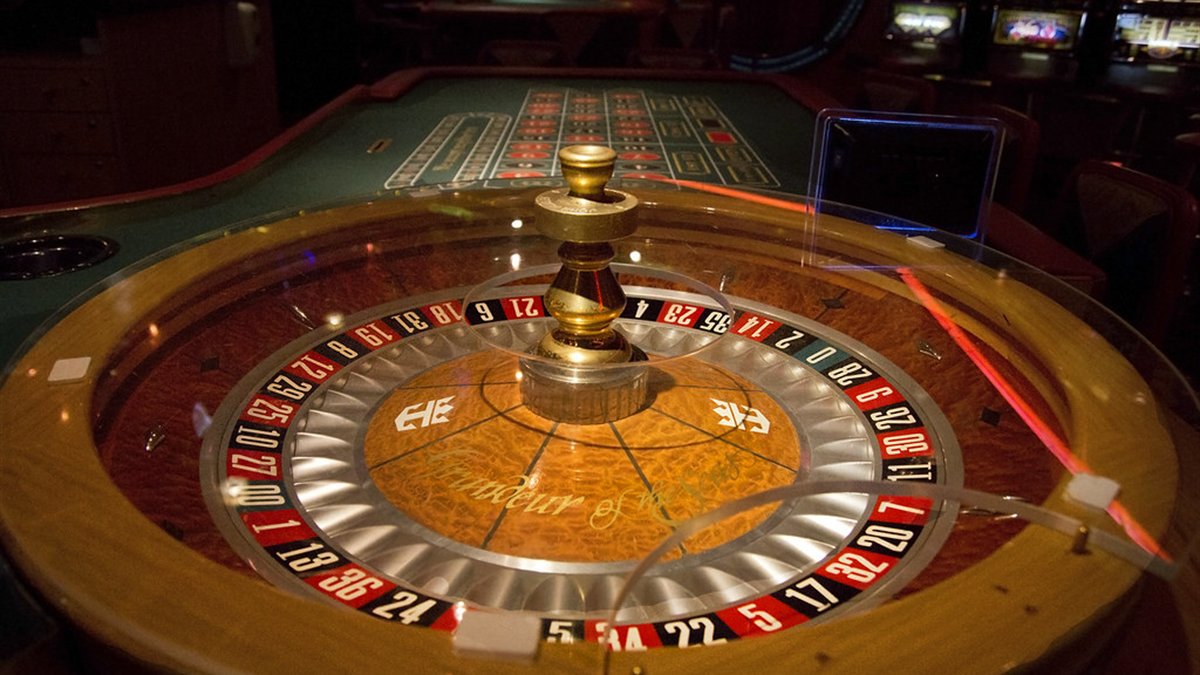
Live roulette streams a real wheel and a real croupier to a Canadian player’s screen, with a physical ball deciding every result and the betting layout handled through software that accepts wagers until the croupier closes them. This page covers wheel types, the house edge on each, studio providers, the game show variants, betting layouts, racetrack calls, statistics panels, table limits, provincial availability, bonus weighting and the strategies players bring to the table. For the wider market picture, start at our online Canada casinos hub.
The table below sets out how the game behaves at a Canadian-facing cashier. Read it first, then work through the detail beneath.
| Aspect | Live roulette for a Canadian player |
|---|---|
| Wheel | Physical, spun by a croupier on camera |
| European house edge | 2.70 percent on every bet |
| American house edge | 5.26 percent with the double zero |
| French house edge | 1.35 percent on even money bets with La Partage |
| Spins per hour | Roughly forty to sixty |
| Betting window | About twenty seconds between spins |
| Table limits | Ten cents to several thousand per spin |
| Provincial availability | Offered at OLG, PlayNow, Loto-Québec and licensed Ontario sites |
| Bonus weighting | Commonly ten percent or excluded entirely |
| Seats | Unlimited, every player bets on the same spin |
What is live roulette at a Canadian casino?
Live roulette is a streamed table game in which a croupier spins a physical wheel and releases a ball, while players place bets through an on-screen layout that closes shortly before the ball drops.
The format removes the seat limit that constrains card games. Everybody watching the same wheel bets on the same spin, so a table never fills regardless of how many Canadians join it.
Our live dealer casinos page covers the wider category. Roulette is the format that scales best within it, which is why almost every operator lists half a dozen tables.
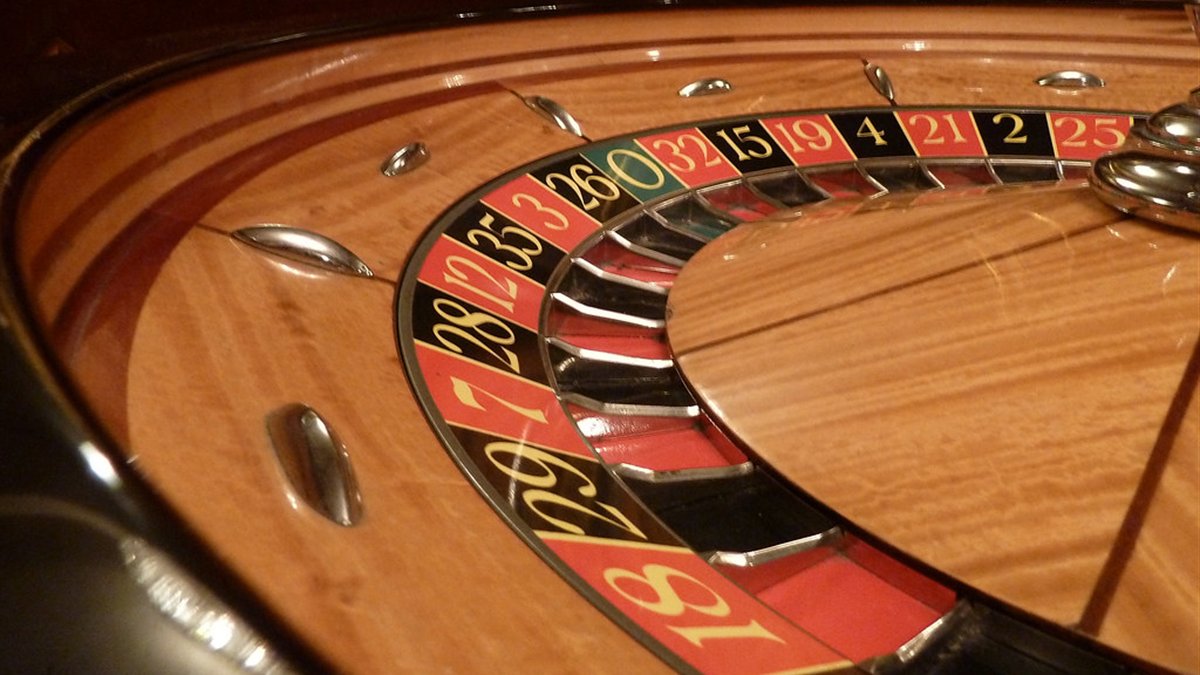
Results come from the wheel rather than from software. That verifiability is the whole appeal for players who distrust a random number generator.
Everything else about the experience is a web interface.
The economics of the format explain why operators list so large a number of tables. A card game serves seven players at a time and a wheel serves an unlimited number, which makes the streaming cost per player far lower.
That difference shows up in the minimums. A live roulette table opening at ten or twenty cents exists because the studio does not need a high stake per player to cover the stream.
Canadians therefore find more roulette tables than any other live game at almost every operator serving this country.
Choice within the category is the practical consequence, and choosing well saves real money.
Comparing the format against a physical casino floor clarifies what is gained and lost. The wheel, the ball and the croupier are identical, and the chips, the table talk and the room are absent.
What replaces them is a betting grid, a countdown and a chat box. A live roulette session delivers the mechanical honesty of a physical game inside a software interface.
Players who value the room find the format thin. Players who value the wheel find it sufficient.
Neither reaction is wrong and both are worth knowing before depositing.
Holding one distinction through the rest of this page makes every decision easier. The wheel decides the result and the operator decides everything about the account holding the money.
A live roulette table streams identical mathematics to a provincial player and an offshore one. What differs is who answers a complaint about a withdrawal.
That split explains why this page spends as much space on licensing as on wheel types.
A live roulette table is the most widely listed live game at every Canadian-facing operator, and the choice within that category is where a player saves or loses money.
Everything below concerns choosing well rather than playing differently.
Unlimited seating is the structural feature that separates this game from every card table in the same lobby. Nobody ever waits, whatever the hour or the operator.
That capacity is why minimums fall as low as they do.
The wheel is the product and the interface is the delivery, and a live roulette lobby is judged on how well it presents both.
A live roulette lobby at a Canadian operator typically lists more tables than every other live game combined, and a live roulette player benefits from reading the differences between them.
How does a live roulette table work?
Cameras film the wheel and the croupier, a sensor or optical system reads the winning pocket, and the software settles every bet placed at the table before opening the next betting window.
The cycle is fixed. Bets open, players place chips on the layout, a countdown runs, betting closes, the croupier spins, the ball lands and payouts settle automatically.
Reading the pocket is done by hardware at most studios rather than by a person. A live roulette result is captured by the wheel itself and confirmed on camera.
Disputes are resolved from the recording, which every licensed studio retains for a defined period.
Nothing in the sequence depends on trusting an unseen process.
Wheel sensors report the winning pocket to the game server directly rather than through a camera reading. That hardware path removes the recognition errors that occasionally interrupt card games.
Camera angles typically include a wide table view, an overhead wheel shot and a close view of the pocket. Players switch between them freely during a live roulette session.
Game control staff monitor the tables and void spins where the ball leaves the wheel or a mechanical fault occurs.
Void spins return every stake rather than settling anything.
Betting closes several seconds before the ball drops rather than at the moment of release. That buffer prevents late betting from gaining any information about the ball path.
The countdown is visible throughout. A live roulette player watching the timer knows precisely how long remains to complete a layout.
Chips are placed by clicking a denomination and then a position on the grid. Undo and clear controls sit beside the chip tray.
Nothing about the interface changes between studios in any meaningful way.
Void spins occur when the ball leaves the wheel, when a foreign object enters it or when the croupier releases incorrectly. Every stake returns rather than settling.
Those events are rare and announced on screen. A live roulette table voiding a spin displays the reason before reopening betting.
Recordings support any later dispute about a voided or contested result.
The cycle repeats identically every spin, which makes a live roulette session predictable in a way card games are not.
Nothing depends on other players acting first.
Sensors report the pocket, software settles the layout and the camera confirms it for anybody watching. Three independent records of the same result exist for every spin.
Disputes are consequently rare and quickly resolved.
Bets open, chips land, the countdown runs, betting closes, the ball drops and payouts settle automatically in that fixed order.
What is the difference between European and American live roulette?
A European wheel carries thirty-seven pockets with a single zero and a house edge of 2.70 percent, while an American wheel adds a double zero for thirty-eight pockets and a house edge of 5.26 percent.
The extra pocket nearly doubles the cost of playing. Every bet on an American wheel pays at the same odds as on a European one while facing one more losing outcome.
Canadian-facing operators list European tables far more often. A live roulette lobby containing both makes the choice obvious to anybody who reads the table name.
American wheels persist mainly in land-based North American rooms and in a handful of streamed tables aimed at that market.
Choosing the single zero table is the cheapest decision available in the game.
Putting the numbers side by side settles the choice permanently. A hundred dollars wagered on a European wheel costs two dollars and seventy cents in expectation, and the same amount on an American wheel costs five dollars and twenty-six cents.
Payouts are identical on both. A straight up number pays thirty-five to one whether the wheel carries thirty-seven pockets or thirty-eight.
That asymmetry is the entire mechanism. A live roulette player on a double zero wheel is paid European odds against American probabilities.
Nothing about the American table compensates elsewhere.
Pocket order also differs between the two wheels, which matters for racetrack bets rather than for odds. The French section names apply to the European wheel layout specifically.
A live roulette player using called bets on an American wheel finds the sections either absent or redefined.
Canadian lobbies list the European wheel as the default at nearly every operator. Finding an American table usually requires deliberately looking for one.
That default is a genuine convenience and worth confirming rather than assuming.
The five number bet exists only on American wheels and carries a house edge of 7.89 percent, the worst single bet in the entire game.
Nothing on a European table matches it for cost. A live roulette player who avoids American wheels entirely never encounters the bet at all.
That single fact is a sufficient argument for the single zero wheel by itself.
A single zero live roulette table costs 2.70 percent and a double zero table costs 5.26 percent for identical play.
Reading the table name settles which one is in front of you.
Thirty-seven pockets against thirty-eight, with identical payouts on both, is the entire mechanism behind the price difference.
The five number bet on the American wheel is worse again at 7.89 percent.
Choosing the single zero wheel is the cheapest decision available anywhere in a live roulette lobby and it takes one glance at the table name.
What is French live roulette and why is it cheaper?
French roulette uses the same single zero wheel as the European game and adds La Partage or En Prison, which return half of an even money bet when the ball lands in zero and cut the house edge to 1.35 percent.
La Partage returns half the stake immediately. En Prison holds the bet for one more spin, returning it in full if the next result wins.
Both rules apply only to even money bets: red or black, odd or even, high or low. A live roulette player betting straight up receives no benefit from either.
The difference is substantial for anybody who bets even money exclusively. Half the house edge is the largest saving available anywhere in the game.
French tables are less common in Canadian lobbies and worth looking for.
The two rules achieve the same result through different mechanics. La Partage settles immediately at half and En Prison defers the decision by one spin.
Expected value works out identically across a long session. A live roulette player betting even money faces 1.35 percent under either rule rather than 2.70.
Inside bets receive nothing. A straight up number on a French table costs exactly what it costs on a European one.
The saving is therefore precisely targeted at the most popular bets in the game.
Availability is the practical obstacle rather than the rules themselves. Fewer studios stream French tables and fewer Canadian-facing operators list them.
A player committed to even money betting has a strong reason to search the lobby carefully. A live roulette table with La Partage costs half what the table beside it costs on those bets.
Certain European tables apply the rule without advertising it in the table name. The information panel states it plainly.
Checking that panel takes seconds and identifies the cheapest table available.
The rule applies automatically rather than on request. A player betting red on a La Partage table receives half the stake back on zero without doing anything.
Nothing about the interface signals it during play. A live roulette player unaware of the rule simply notices a smaller loss on zero spins.
Reading the information panel before sitting is the only way to know in advance.
La Partage cuts even money bets to 1.35 percent, which is the lowest price any live roulette table in a Canadian lobby offers.
Inside bettors gain nothing from it.
Half a stake returned on zero halves the cost of every even money bet across a session. Nothing else in the game delivers a saving of that size.
Finding those tables takes a lobby search rather than a strategy.
La Partage and En Prison reach the same expected result through different mechanics, and both apply automatically without any action from the player.
Which studios run live roulette for Canadian players?
Evolution supplies most tables reaching Canada, with Playtech, Pragmatic Play Live and Authentic Gaming providing the rest, and each streams from studios licensed for the markets they serve.
Authentic Gaming specialises in streaming from real casino floors rather than from purpose-built studios. A live roulette table sourced that way shows a working casino behind the wheel.
Ontario’s regulated market prompted the larger providers to build local studios, which reduced latency for players in that province.
Table quality tracks the provider rather than the casino. Two operators listing the same studio stream an identical wheel.
The provider name appears on the table tile at most operators.
Studio location affects latency rather than fairness. A stream originating in Europe reaches a Canadian player a fraction of a second later than one originating in Ontario.
That delay matters only at the edge of the betting window. A live roulette player placing bets in the final two seconds occasionally finds them rejected on a distant stream.
Placing bets early avoids the issue entirely regardless of where the studio sits.
Provider identity appears in the table name at most regulated operators.
Table variety tracks the provider closely. A large studio streams standard European, French, speed, immersive, lightning and auto formats from a single lobby.
Smaller providers offer two or three tables. A live roulette player at an operator using a minor studio has correspondingly fewer choices.
Casino floor streams from Authentic Gaming show a working venue behind the wheel, which appeals to players who want the room as well as the game.
Recognising provider names in the lobby predicts what will be available.
White label branding disguises the provider at part of the market. A table named after the casino rather than the studio usually still comes from one of the major providers.
Opening the table information reveals the source. A live roulette table refusing to name its provider is unusual and worth noting.
Regulated markets generally require that disclosure and offshore markets do not.
Two or three providers supply almost every live roulette table a Canadian will encounter, whatever branding sits on top of it.
Table variety follows the provider rather than the casino.
Studio location affects latency and nothing else. Fairness, odds and payouts are identical wherever the wheel physically sits.
Placing bets early removes the only practical consequence.
Evolution, Playtech, Pragmatic Play Live and Authentic Gaming account for almost every table reaching this country.
Where can Canadians play live roulette legally?
Provincial operators serve residents of their own provinces, Ontario licenses private operators through its own regulator, and offshore sites accept Canadians everywhere without any provincial oversight.
OLG serves Ontario, PlayNow serves British Columbia and Manitoba, Loto-Québec serves Quebec and Atlantic Lottery serves the eastern provinces. Each lists live roulette among its live dealer tables.
Ontario additionally licenses private operators, producing a competitive regulated market that exists nowhere else in the country.
Our Ontario online gambling laws page covers how that market works in practice.
The legal position for the player is identical in every case, and the recourse available is not.
Provincial enforcement has never targeted an individual player for choosing an offshore operator. The regulation governs who may offer gambling rather than who may play.
What a player gives up offshore is recourse rather than legality. A live roulette dispute at a provincial site reaches a Canadian body with authority over the operator.
Offshore complaints reach whichever authority issued the licence, under rules written elsewhere.
Establishing which regime applies before depositing is the whole of the preparation.
Provincial sites carry fewer tables than the private Ontario market or the offshore market. Their lobbies prioritise breadth of game type over depth within one game.
A live roulette player wanting French rules or a specific variant will find more of them outside the provincial lottery sites.
What the provincial route offers instead is a Canadian regulator standing behind the account.
Weighing table selection against recourse is the decision every player outside Ontario faces.
Ontario players hold a genuine choice of licensed operators and everybody else chooses between one lottery corporation and the offshore market.
That asymmetry shapes the whole Canadian picture. A live roulette player in Alberta has one regulated option and dozens of unregulated ones.
Nothing in law prevents the second choice and nothing in law protects it either.
Ontario licenses a competitive market and every other province offers one regulated live roulette option alongside the offshore field.
Recourse rather than legality is what separates them.
Nothing in Canadian law penalises a player for choosing an offshore operator. The regulation governs who may offer the game.
What changes is who answers a complaint afterwards.
OLG, PlayNow, Loto-Quebec and Atlantic Lottery each carry live roulette, and Ontario adds a field of licensed private operators alongside them.
What are the live roulette table limits in Canada?
Tables run from about ten cents a spin to several thousand, and operators typically list four or five limit tiers so any bankroll finds a wheel it can afford.
Minimums here sit far below the card game equivalents because roulette accepts unlimited players. A studio does not need a high minimum to make a table profitable.
Maximums apply per bet type rather than per spin. A live roulette table capping straight up bets at two hundred still accepts several thousand on red.
Those inside and outside limits appear separately in the table information panel.
Reading both before sitting prevents a rejected bet mid-session.
Inside and outside limits differ because the payouts differ. A straight up bet paying thirty-five to one exposes the operator to far more than an even money bet of the same size.
A live roulette table capping straight up bets at two hundred therefore risks seven thousand on a single number while accepting several thousand on red.
Those figures appear in the information panel rather than on the table tile at most studios.
Checking them matters most for players who bet inside numbers heavily.
Bankroll sizing works differently here than in card games because a single spin can carry dozens of bets. A player covering twenty numbers stakes twenty chips at once.
Counting total exposure per spin rather than per chip is the correct approach. A live roulette session budget divided by expected spins gives the stake per spin.
Tables display the total staked before the window closes, which makes that check immediate.
Ignoring it is how a session ends far earlier than planned.
Low limit tables fill the lobby at every operator because the format supports unlimited players at any stake.
A live roulette table opening at twenty cents lets a small bankroll last an entire evening across forty or fifty spins.
High limit tables exist for the opposite requirement and frequently offer private streams.
Inside and outside maximums differ at every live roulette table because the payouts differ.
Both figures sit in the information panel before joining.
Counting total exposure per spin rather than per chip is what keeps a session inside its budget.
The interface displays that figure continuously while the window is open.
Tiers running from cents to thousands per spin mean a bankroll of any size finds an appropriate wheel.
How many spins per hour does live roulette run?
A standard table completes forty to sixty spins an hour, with the betting window lasting around twenty seconds and the spin and settlement taking the remainder of each cycle.
Speed variants exist and compress the cycle considerably. A speed table runs close to a hundred spins an hour by shortening the betting window and settling during the next spin.
Pace determines cost rather than edge. A live roulette player facing twice the spins at the same stake faces twice the expected loss per hour.
Slower tables are therefore cheaper to play at identical stakes and identical house edge.
Choosing pace deliberately is worth more than most betting systems.
Calculating hourly cost makes the pace question concrete. Ten dollars a spin at fifty spins an hour on a European wheel costs about thirteen dollars fifty in expectation.
The same stake at a hundred spins costs twenty-seven. A live roulette player choosing a speed table has doubled the hourly cost without changing anything else.
Auto roulette formats run faster still by removing the croupier entirely and spinning mechanically.
Pace is the single largest cost lever available to a roulette player.
Auto roulette removes the croupier and spins mechanically on a fixed cycle. Those tables run fastest of all and cost the most per hour at identical stakes.
They also run continuously without breaks. A live roulette table with a human croupier pauses for shift changes and the mechanical tables do not.
Players who enjoy the croupier find auto tables sterile and players who want pace prefer them.
The house edge is identical across all of them on the same wheel type.
Choosing a slower table is the single cheapest decision available after choosing the wheel type. It halves hourly cost without touching stake size.
Players rarely think about pace because operators never present it as a cost. A live roulette lobby lists table names rather than spins per hour.
Counting spins for five minutes establishes the figure directly.
Pace doubles hourly cost without changing the house edge, which makes it the largest lever a live roulette player controls.
Counting spins for five minutes measures it directly.
Standard tables run forty to sixty spins an hour, speed tables approach a hundred and auto tables run faster again.
Hourly cost scales directly with that number.
Halving the spin rate halves the hourly cost at identical stakes, which no betting system anywhere can match.
A live roulette table advertising speed is advertising a higher hourly cost, and a live roulette table running slowly is the cheaper choice at the same stake.
What is Lightning Roulette?
Lightning Roulette adds random multipliers to between one and five straight up numbers on each spin, paying up to five hundred to one on a hit while reducing the standard straight up payout from thirty-five to thirty.
The reduced base payout funds the multipliers. A live roulette player who never hits a lightning number is being paid less than the standard game pays.
The house edge rises accordingly. The format costs more per spin than plain European roulette while offering a considerably larger top outcome.
Outside bets are unaffected and pay normally, which makes the variant pointless for anybody betting only red or black.
It is entertainment priced above the standard table rather than value.
The reduced straight up payout is easy to miss and worth stating plainly. Thirty to one rather than thirty-five to one is a fourteen percent cut to the base payout on the game’s most popular inside bet.
Multipliers compensate on average and increase variance enormously. A live roulette player can go hundreds of spins without a lightning hit.
The house edge on the format sits above the standard European figure as a result.
Players choosing it are buying the large outcome rather than the better price.
The format spawned a family of imitators across every major studio. Each applies multipliers to a stripped base payout under a different name.
The mechanism is consistent throughout. A live roulette variant offering multipliers is funding them by paying less on ordinary wins.
Reading the payout table rather than the marketing identifies the trade immediately.
Outside bettors gain nothing from any of these formats and should stay on standard tables.
Multiplier values are drawn at random from a published range and applied to between one and five numbers per spin.
Hitting a multiplied number is the entire appeal. A live roulette player striking a five hundred times multiplier on a straight up bet wins substantially more than the standard game would ever pay.
The frequency of that outcome is exactly what the reduced base payout accounts for.
Reduced base payouts fund the multipliers, so a live roulette player choosing the format is buying variance rather than value.
Outside bettors gain nothing at all.
Straight up wins pay thirty to one instead of thirty-five, and multipliers on selected numbers reach five hundred to one.
The trade is explicit once the payout table is read.
A family of imitator formats now exists across every major studio, and each funds its multipliers the same way.
What is Immersive Roulette?
Immersive Roulette films the wheel with multiple cameras including a high speed one that replays the ball landing in slow motion, without changing any of the underlying rules or odds.
The production is the entire difference. A live roulette table in this format uses the same single zero wheel at the same 2.70 percent house edge as any standard European table.
Slow motion replays appear automatically after each result. Players watching for wheel bias find them useful and everybody else finds them decorative.
Pace runs slightly slower because the replays take time.
Choosing it costs nothing and gains nothing beyond the presentation.
Production value is the entire proposition and the odds are untouched. A player choosing between Immersive and a standard European table is choosing a camera package.
Slow motion replays show the ball bouncing between pockets in detail. A live roulette player watching for bias finds them satisfying and gains nothing measurable.
The format runs slightly slower because the replays occupy time between spins.
That slower pace makes it marginally cheaper per hour at identical stakes.
Camera work rather than mathematics defines the format, which makes it the rare variant that costs nothing extra to enjoy.
A live roulette player choosing Immersive over a plain European table pays the identical 2.70 percent and receives a better production.
The slower pace is a small additional benefit for anybody counting hourly cost.
It is the one enhanced format on this page that takes nothing from the player.
The format demonstrates that presentation and price are separable. A better production at the same cost is unusual across gambling generally.
A live roulette player who enjoys watching the ball settle has a free upgrade available in most lobbies.
Nothing about the variant requires learning a new payout table or a new rule.
Better cameras at the same price makes this the one enhanced live roulette format that costs the player nothing.
The odds are untouched.
Multiple cameras, slow motion replays and a marginally slower pace describe the whole variant.
Rules, odds and payouts match a standard European table exactly.
Presentation and price are separable here, which is unusual across gambling generally and worth taking advantage of.
What are Double Ball and Multi Wheel roulette?
Double Ball releases two balls on a single spin and settles bets against both results, while Multi Wheel formats run eight wheels simultaneously with one bet applied across all of them.
Double Ball changes the payout structure substantially. A straight up bet pays seventeen to one and wins if either ball lands on the number, and a jackpot bet requires both balls in the same pocket.
Multi Wheel multiplies exposure rather than odds. A live roulette bet placed across eight wheels is eight separate bets settled together.
Both formats increase variance without improving the underlying edge.
Understanding the payout table before playing either is essential rather than optional.
Double Ball halves the straight up payout because either ball can win. Seventeen to one against two chances is priced close to thirty-five to one against one.
The jackpot bet requiring both balls in the same pocket pays enormous odds and hits correspondingly rarely. A live roulette player taking it is buying a lottery ticket.
Multi Wheel formats multiply the stake rather than the odds. Eight wheels means eight identical bets settled simultaneously.
Bankroll consumption accelerates sharply in both formats.
Novelty formats generally increase variance and rarely improve price. Both of these follow that pattern.
A live roulette player attracted by the jackpot bet on Double Ball is accepting a very long shot at a correspondingly long price.
Multi Wheel exposure grows linearly with the wheel count while the edge stays constant on each.
Sizing stakes down proportionally is the only sensible way to play either.
Both formats reward players who enjoy complexity and punish players who assume familiar payouts apply.
A live roulette player treating Double Ball like a standard table will misprice every bet on the layout.
Reading the payout table once before playing settles the whole question.
Both formats raise variance and exposure without improving the price of a live roulette bet.
Reading the payout table first prevents mispricing every wager.
Two balls on one spin, or one bet across eight wheels, both multiply exposure rather than improving price.
Stakes should be sized down proportionally in either format.
Familiar payouts do not apply in either format, and assuming they do misprices every bet on the layout.
What is the racetrack on a live roulette table?
The racetrack is an oval representation of the wheel’s physical pocket order, used to place called bets that cover neighbouring numbers rather than the grid sections of the standard layout.
Voisins du Zéro covers seventeen numbers around the zero. Tiers du Cylindre covers twelve numbers opposite the zero. Orphelins covers the eight numbers those two sections leave out.
Neighbour bets cover a chosen number and a set number of pockets either side of it. A live roulette player placing five neighbours stakes eleven chips in a single click.
None of these bets changes the house edge. Every combination pays the same 2.70 percent cost on a European wheel.
They exist for convenience and for players who think in wheel positions.
The called bets originate in French casinos and describe physical wheel sections rather than grid patterns. Their names are French for that reason.
Voisins covers seventeen numbers for nine chips, Tiers covers twelve for six and Orphelins covers eight for five. A live roulette player using the racetrack places all of them in one action.
Coverage feels safer and costs identically. Seventeen numbers at 2.70 percent is the same price as one number at 2.70 percent.
Convenience rather than advantage is what the racetrack delivers.
Neighbour bets are the most used racetrack feature and the easiest to place accidentally. Clicking a number on the oval stakes five or more chips rather than one.
Checking the total staked before the window closes prevents that surprise. A live roulette interface displays it continuously.
The racetrack also supports final bets covering every number ending in a chosen digit.
All of them cost the same house edge as any other bet on the layout.
Called bets originated as verbal instructions to a croupier in French rooms and survive as an interface feature online.
Nothing about them is exotic mathematically. A live roulette racetrack bet is a bundle of straight up and split bets placed in one action.
Their popularity comes from covering wheel sections rather than grid patterns.
Called bets bundle straight up and split wagers by wheel position, and every one of them carries the standard live roulette house edge.
Convenience rather than advantage is the benefit.
Voisins, Tiers and Orphelins together cover the whole wheel between them in three named sections.
Neighbour and final bets complete the racetrack options.
The oval represents physical pocket order rather than the numerical grid, which is the whole reason it exists.
What do the statistics panels show?
Every table displays recent results, hot and cold numbers and a heat map of the layout, all drawn from the table’s own recent history rather than from anything predictive.
The panels are accurate and useless for prediction. A wheel has no memory, and a number appearing ten times in an hour is no more or less likely on the next spin.
Operators display them because players want them. A live roulette table without a statistics panel would be perceived as offering less.
The gambler’s fallacy is precisely the reasoning these displays encourage.
Reading them as history rather than as a forecast is the correct approach.
Hot and cold displays are the clearest example of a feature built for a belief rather than for a use. Past results carry no information about future spins on a fair wheel.
Players nonetheless bet on them constantly. A live roulette table showing seven reds in a row produces a surge of black bets on the next spin.
The probability of black is unchanged at eighteen in thirty-seven regardless of what preceded it.
Recognising the fallacy is worth more than any statistic on the panel.
Part of the audience uses the panels as a record rather than as a forecast, which is a legitimate use. Reviewing a session afterwards is different from predicting the next spin.
A live roulette player treating the display as history is using it correctly. One treating it as a signal is not.
Operators are not obliged to explain the distinction and none of them do.
Understanding it is entirely the player’s responsibility.
Heat maps colour the layout by frequency across a recent window of spins. The window length is usually adjustable.
None of it predicts anything. A live roulette wheel produces independent results and the panel is a record of what already happened.
Players who understand that use the display harmlessly and players who do not lose money to it.
A live roulette wheel has no memory, which makes hot and cold displays a record rather than a signal.
Using them as history is correct and using them as a forecast is not.
Recent results, hot and cold numbers and a heat map drawn from the table history. All accurate and none predictive.
The gambler fallacy is exactly what the display encourages.
Operators display them because players want them rather than because they carry any predictive information.
Do betting systems work at live roulette?
Martingale, Fibonacci, D’Alembert and Labouchère all redistribute variance without touching the house edge, which means none of them turns a negative expectation game into a positive one.
Martingale doubles after every loss and fails at the table maximum. A live roulette player on a ten dollar table hitting seven consecutive losses needs a bet the table will not accept.
The mathematics is not in dispute. Each spin is independent, each bet carries the same edge, and no sequencing of stakes changes the sum.
What systems provide is structure, which part of the audience values for bankroll discipline rather than for profit.
Treating them as a staking plan rather than as an edge is the honest framing.
Table maximums are what break progressive systems in practice. A martingale run from ten dollars reaches over twelve hundred by the seventh doubling.
Most tables cap even money bets below that point. A live roulette player following the system to its conclusion finds the table refusing the bet that would recover the sequence.
Negative progressions therefore convert a run of small wins into one catastrophic loss.
Flat staking produces the same expected result with far lower variance.
Positive progressions raise stakes after wins rather than after losses and carry the opposite risk profile. They produce runs of small losses and occasional large wins.
Neither direction changes the expected result. A live roulette bankroll faces the same 2.70 percent whichever staking pattern sits on top of it.
What systems genuinely provide is a rule for when to stop, which has real value for discipline.
Framing them that way is honest and framing them as an edge is not.
Every system on this page has been tested exhaustively by people with far more computing power than a casino floor. None of them alters the expectation.
That result is not controversial and not disputed by mathematicians anywhere. A live roulette wheel with a house edge produces a negative expectation under every staking pattern.
Believing otherwise is the most expensive belief a roulette player can hold.
No staking pattern changes the expectation on a live roulette wheel carrying a house edge.
What systems supply is a stopping rule, which has real value on its own terms.
Martingale, Fibonacci, D Alembert and Labouchere all redistribute variance and leave the expectation untouched.
Table maximums are what break the progressive versions in practice.
Flat staking produces the same expected outcome as any progression with considerably lower variance attached to it.
Can you beat live roulette with wheel bias?
Wheel bias exploitation requires thousands of recorded spins on a single physical wheel, and studios rotate wheels, service them regularly and would notice the betting pattern long before it became profitable.
The technique worked historically in land-based rooms with neglected equipment. Modern wheels are precision engineered and monitored for exactly this reason.
Streaming adds a further obstacle. A live roulette table a player watches today may use a different wheel tomorrow without any announcement.
Recording spins is permitted and pointless at the sample sizes a recreational player can gather.
Nothing available to an online player makes the approach viable.
Sample sizes required run into the thousands of spins on one identified wheel. A recreational player recording forty spins an hour needs weeks of continuous observation.
Studios rotate and service wheels on a schedule. A live roulette table observed for a fortnight may have been rebalanced twice within it.
Betting patterns consistent with bias exploitation also attract operator attention under their own terms.
The technique belongs to casino history rather than to online play.
Dealer signature is the related claim and fails for the same reasons. Predicting a croupier’s release pattern requires consistency no professional exhibits.
Studios rotate croupiers on shift schedules. A live roulette table watched for an hour changes hands before any pattern could be established.
Both techniques belong to a period when equipment and staffing were less controlled.
No online implementation is vulnerable to either.
Physics based prediction using ball speed and wheel velocity is a separate claim and equally impractical online. Betting closes before the information exists.
A live roulette table closing bets several seconds before release removes the window such a technique would require.
That timing is deliberate rather than incidental.
Sample size, wheel rotation and bet timing together close every advantage route a live roulette player could attempt online.
The techniques belong to casino history.
Thousands of spins on one identified wheel are required, and studios rotate and service wheels long before that sample accumulates.
Bet timing closes the physics route separately.
Precision engineering, scheduled servicing and monitored betting patterns together close the route completely.
Does live roulette work on mobile?
Every current table streams to mobile browsers and apps with a layout redesigned for a small screen, and the betting grid zooms so individual numbers remain reachable with a thumb.
Mobile is the majority of play at most operators. Studios design the interface around it rather than adapting a desktop layout afterwards.
Portrait mode shows the wheel above a scrollable layout. Landscape shows the full grid and suits a live roulette player placing complex bets across multiple sections.
Favourite bets can be saved and repeated with one tap, which matters when the betting window is twenty seconds.
Data consumption is substantial because the game is a continuous video stream.
Favourite bet storage is the feature that makes mobile play practical. Complex layouts take longer than twenty seconds to place by hand on a small screen.
Saving a pattern and repeating it converts a live roulette session on a phone into a single tap per spin.
Battery consumption is heavy because the screen and network both run continuously throughout a session.
Wifi rather than cellular avoids the data cost entirely.
Zooming the layout is supported at every current table and matters most for inside bets on a small screen.
Misplaced chips are the commonest mobile complaint. A live roulette player tapping a split rather than a straight up number discovers the difference at settlement.
Reviewing the placed bets before the window closes catches those errors.
Landscape orientation reduces them considerably by enlarging the grid.
Chip denomination selection is the second most common mobile error after misplaced positions. Tapping a larger chip than intended stakes more than planned.
Checking the total before the window closes catches both. A live roulette interface displays the staked amount continuously above the layout.
The undo control removes the last chip placed rather than clearing everything.
Saved favourite bets make a live roulette session practical on a phone within a twenty second window.
Checking the staked total before betting closes catches misplaced chips.
Portrait and landscape both function fully, favourite bets repeat in one tap and the layout zooms for inside numbers.
Data and battery consumption are the real costs.
Mobile is the majority of live roulette play at most operators, and studios now design the interface around it first.
What internet speed does live roulette need?
A stable connection of around five megabits per second carries the stream, and stability matters more than speed because a stutter during the betting window costs a spin rather than a hand.
The software drops video quality before it drops the connection, which keeps a live roulette table playable on a weakening link.
A disconnection between bets loses nothing. A disconnection after bets are placed leaves them standing, and the result appears in the account history.
Wired connections outperform wireless for consistency rather than raw throughput.
Testing before a session with meaningful stakes takes a minute.
Betting window timing is what a weak connection actually threatens. The spin and the result arrive regardless, and the window to place a bet does not wait.
Placing bets in the first half of the window removes the risk. A live roulette player who bets late on an unstable connection loses spins rather than money.
Quality settings are adjustable manually and dropping resolution improves stability meaningfully.
Audio can be muted without affecting anything functional.
Bets already placed stand through a disconnection and settle normally. Nothing is refunded and nothing is lost beyond the ability to watch.
Reviewing the account history afterwards shows exactly how a live roulette spin resolved during an outage.
Reconnecting mid-spin rejoins the table at the current state rather than replaying the sequence.
None of this differs between studios in any material way.
Streaming quality adapts automatically and can be fixed manually. Dropping to the lowest setting deliberately produces the most reliable connection.
A live roulette table remains fully playable at low resolution because the interface rather than the video carries the important information.
Muting audio saves bandwidth without affecting anything functional.
Stability beats bandwidth for a live roulette stream, and placing bets early removes the only real risk a weak connection creates.
Placed bets settle normally through an outage.
Around five megabits per second carries the stream comfortably at standard quality.
Manual quality settings improve reliability on a weak connection.
A stutter costs a spin rather than a stake, because bets already placed settle regardless of the connection.
How do bonuses treat live roulette wagering?
Most bonus terms weight the game at ten percent or exclude it entirely, and even money betting is frequently banned outright during wagering because it approximates a low risk hedge.
Covering red and black simultaneously would clear a requirement at minimal cost. Operators write that behaviour out of the terms explicitly.
Ten percent weighting means a hundred dollars wagered counts as ten. A live roulette player clearing a thirty-five times bonus that way faces enormous turnover.
Maximum bet rules apply here as everywhere and void bonuses when breached.
Depositing without a bonus is frequently the better choice for a roulette player.
The even money restriction is specific to this game and worth reading carefully. Terms frequently ban covering opposing outcomes rather than banning the bets outright.
Breaching that clause voids a bonus and occasionally the winnings attached to it. A live roulette player hedging red and black during wagering is doing exactly what the clause prohibits.
Weighting tables are published by every operator and read by almost nobody.
Opening one before accepting an offer takes a minute.
Live dealer specific promotions exist at part of the market and carry terms written for the format rather than adapted from slots.
Those offers are worth more to a live roulette player than a general welcome package weighted at ten percent.
Cashback on live tables is the most common structure and returns a percentage of net losses.
Comparing that against a match offer takes arithmetic rather than instinct.
Depositing without accepting a bonus removes wagering requirements, maximum bet rules and betting restrictions in a single decision.
That option suits a live roulette player better than almost any offer an operator publishes, given how the game is weighted.
Reading the weighting table before accepting is the alternative and takes a minute.
Ten percent weighting and even money restrictions together make a live roulette table a poor route through any wagering requirement.
Declining the bonus is frequently the better decision.
Weighting tables and even money clauses are both published and both rarely read before an offer is accepted.
Opening them takes a minute and settles whether the bonus is worth taking.
Covering opposing outcomes during wagering is banned explicitly at most operators and voids the bonus when detected.
What is the etiquette at a live roulette table?
Placing bets before the window closes, keeping chat civil and accepting the croupier’s call cover almost everything, and studios mute players who ignore the chat rules.
Croupiers are studio employees rather than performers. Abuse results in a chat ban and occasionally an account restriction at the operator.
Late bets are rejected automatically rather than argued over. A live roulette chip placed after the window closes simply returns to the stack.
Tipping is supported at most tables and entirely optional.
Nothing about the etiquette differs from a land-based table beyond the medium.
Chat moderation is handled by the studio rather than by the casino. A ban applied at one operator follows the player to every operator using that studio.
Croupiers respond where studio policy allows and stay silent where it does not. Neither behaviour says anything about a live roulette table.
French language tables serve Quebec players at the bilingual operators.
Nothing else about the etiquette differs from a physical room.
Croupiers are employees performing a job under studio policy. Treating them accordingly avoids the only genuine friction at these tables.
Complaints about results are misdirected by definition. A live roulette croupier has no influence over where the ball lands.
Chat about strategy is common and largely harmless.
Abuse results in a ban applied across every operator using that studio.
Late bets are rejected by the software rather than refused by the croupier. Nothing needs saying when a chip returns to the stack.
A live roulette table handles the entire process automatically, which removes the friction physical rooms occasionally produce.
The remaining etiquette concerns chat rather than play.
Software rejects late bets automatically, which leaves chat conduct as the only etiquette a live roulette player needs to think about.
Croupiers are employees rather than performers.
Bet inside the window, keep the chat civil and accept that the croupier has no influence over the result.
Studio bans follow a player across every operator using that provider.
French language tables serve Quebec players at the bilingual operators and follow identical studio policy.
How does live roulette compare with RNG roulette?
The software version spins faster, costs less per spin, runs at lower minimums and offers no croupier, while the streamed version offers a physical wheel and a slower session at a higher minimum.
Spins per hour is the largest practical difference. A software table runs hundreds and a live roulette table runs forty to sixty.
Slower play reduces total exposure at the same house edge. An hour at a streamed table costs less in expectation than an hour of software play at identical stakes.
Our online roulette strategies page covers the betting approaches that apply to both formats identically.
Preference rather than mathematics decides which suits a given player.
Minimum stakes favour software heavily. A random number generator table runs from ten cents and most streamed tables start higher.
Speed favours software as well, which cuts both ways. A live roulette session exposes a bankroll to fewer spins in the same hour.
Bonus weighting usually treats both formats similarly and both worse than slots.
What the streamed table offers instead is a wheel nobody has to take on trust.
Cost per hour rather than house edge separates the two. Fewer spins at the same edge means less money at risk in the same time.
A live roulette session is therefore cheaper per hour than a software session at identical stakes and identical wheel type.
Software tables compensate with lower minimums, which suits a smaller bankroll.
Matching the format to the bankroll rather than to preference is the practical approach.
Both formats use the same wheel types and the same house edges. Nothing about a random number generator changes the price of a European wheel.
What differs is verification. A live roulette result is visible and a software result is certified by a testing house instead.
Players trusting certification are indifferent and players wanting to watch are not.
Identical house edges, fewer spins and a higher minimum describe a live roulette table against its software equivalent.
Cost per hour favours the streamed table.
Same wheels, same edges, different pace and different minimums.
Verification is what the streamed format adds and certification is what the software format relies on instead.
Forty spins an hour against hundreds is the difference a player actually experiences at the same house edge.
Who is live roulette right for?
The format suits a player who wants a visible physical wheel, enjoys a slower session and understands that no bet on the layout carries a better edge than any other.
Somebody chasing volume is better served by software tables. Forty spins an hour frustrates a player used to hundreds.
Somebody clearing a bonus is better served by slots. Weighting and even money restrictions make a live roulette session an inefficient route through wagering.
Somebody who distrusts random number generators finds exactly the reassurance they wanted.
Matching the format to the motive avoids most disappointment.
Session length matters more than most players consider. Forty spins an hour means a two hour session is eighty decisions rather than hundreds.
That pace suits somebody treating the game as an evening. A live roulette session rewards patience and frustrates anybody wanting volume.
Players who find the wait tedious have a faster alternative one click away.
Being honest about which group applies saves the disappointment.
Bet type matters at least as heavily as pace. A player betting even money exclusively should be hunting French tables rather than any particular studio.
A player betting inside numbers gains nothing from French rules and should focus on limits instead. A live roulette table with a low straight up maximum constrains that style directly.
Matching the table to the betting style is worth more than choosing between operators.
Both checks take seconds in the information panel.
The format suits somebody who enjoys the ritual alongside the result. Watching a croupier spin is the product rather than an accessory to it.
Anybody indifferent to that ritual is paying a higher minimum for nothing. A live roulette table offers no mathematical advantage over its software equivalent.
Recognising which describes you settles the choice immediately.
A live roulette table suits a player who wants to watch the wheel and accepts a slower session for it.
Anybody indifferent to the ritual is paying more for nothing.
Even money bettors should hunt French tables and inside bettors should check straight up maximums.
Both checks sit in the same information panel.
The ritual of watching a croupier spin is the product, and anybody indifferent to it has a cheaper option available.
Which checks come before a first live roulette session?
Four checks settle it: the operator’s licensing, whether the wheel carries one zero or two, whether French rules apply, and the inside and outside limits against your bankroll.
Licensing decides recourse. A provincial operator answers to a Canadian regulator and an offshore one answers to a foreign authority, which is the largest difference between two sites streaming identical wheels.
Zero count decides the house edge outright. A live roulette table with a double zero costs nearly twice as much to play as the single zero table beside it in the same lobby.
French rules halve the cost again for even money bettors and appear in fewer lobbies.
Limits decide how long a bankroll lasts and appear in the table information panel before joining.
Recording the answers once removes any need to repeat the exercise at the same operator. Wheel type and limits stay stable for long periods.
Only a lobby change invalidates the record. A live roulette table replaced by a different studio needs checking again.
Two minutes spent reading tiles beats any betting system applied to a badly chosen wheel.
The zero count check alone is worth the whole exercise.
Running the checks in a fixed order turns a vague worry into a short procedure. Licence, zero count, French rules, limits, and only then a deposit.
Each step removes a category of avoidable cost. A live roulette player clearing all four is playing the cheapest version of the game available.
Skipping them is what produces the complaints that fill gambling forums.
Two minutes in advance replaces every one of them.
The zero count check alone justifies the whole routine. Nothing else on this page saves as much money for as little effort.
A live roulette player who does nothing except avoid double zero wheels has cut the cost of the game roughly in half.
Everything after that is refinement rather than fundamentals.
Licence, zero count, French rules and limits cover the whole preparation for a live roulette session.
Two minutes in advance replaces every later complaint.
Avoiding double zero wheels alone halves the cost of the game for no effort whatsoever.
Everything after that is refinement.
Licence, zero count, French rules and limits, in that order, before any deposit reaches the account.
A live roulette session that begins after those four checks begins on the cheapest table in the lobby rather than on the first one listed.
The checklist is short because the game itself is simple and completely understood. A wheel spins, a ball lands, and every bet on the layout pays the same house edge on a given wheel. Anybody who picks a single zero table, looks for French rules and ignores the statistics panel is playing the game as well as it can be played.
1 thought on “Live Roulette Casino Canada: Wheels, Rules, Variants and Limits”
Comments are closed.